
Last updated September 22, 2026
Level 1 sweep and inspection to the NFPA 211 annual standard - flue, crown, cap, and flashing checked and photographed
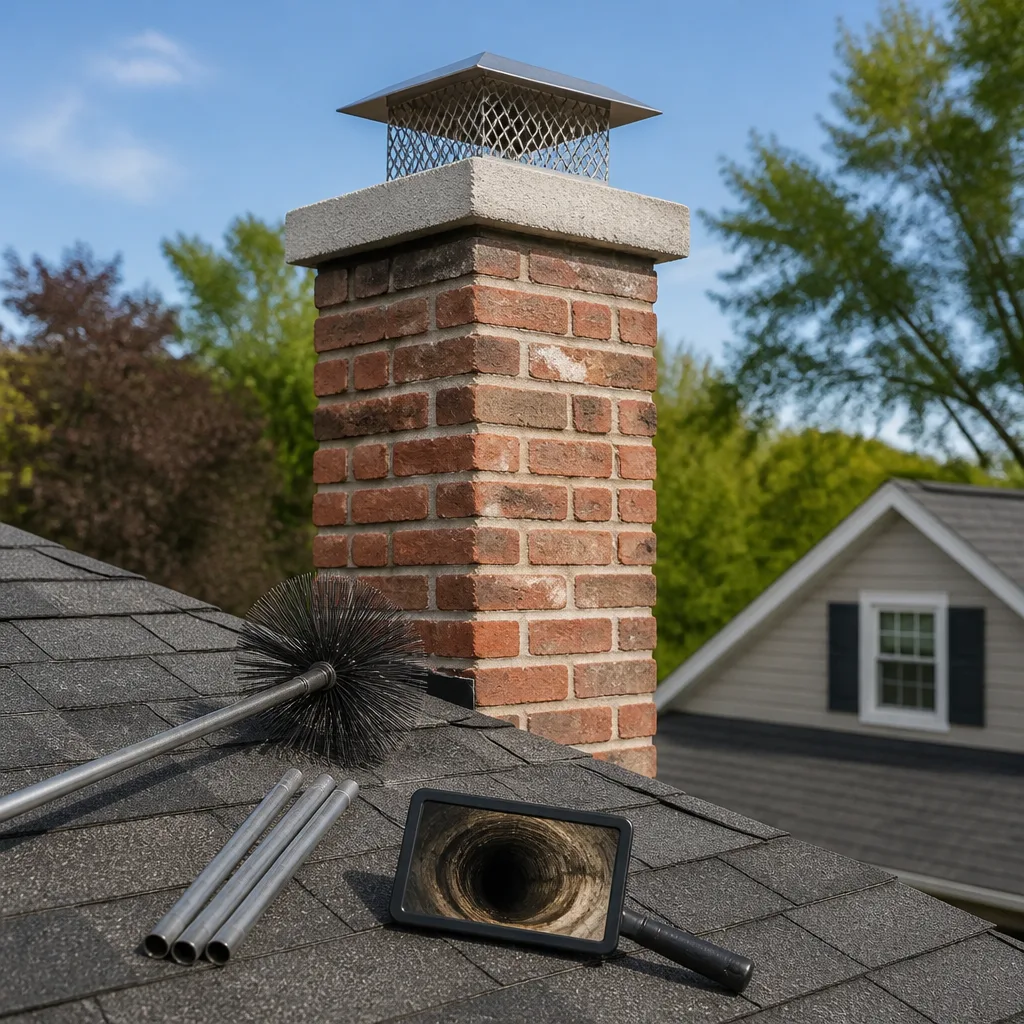
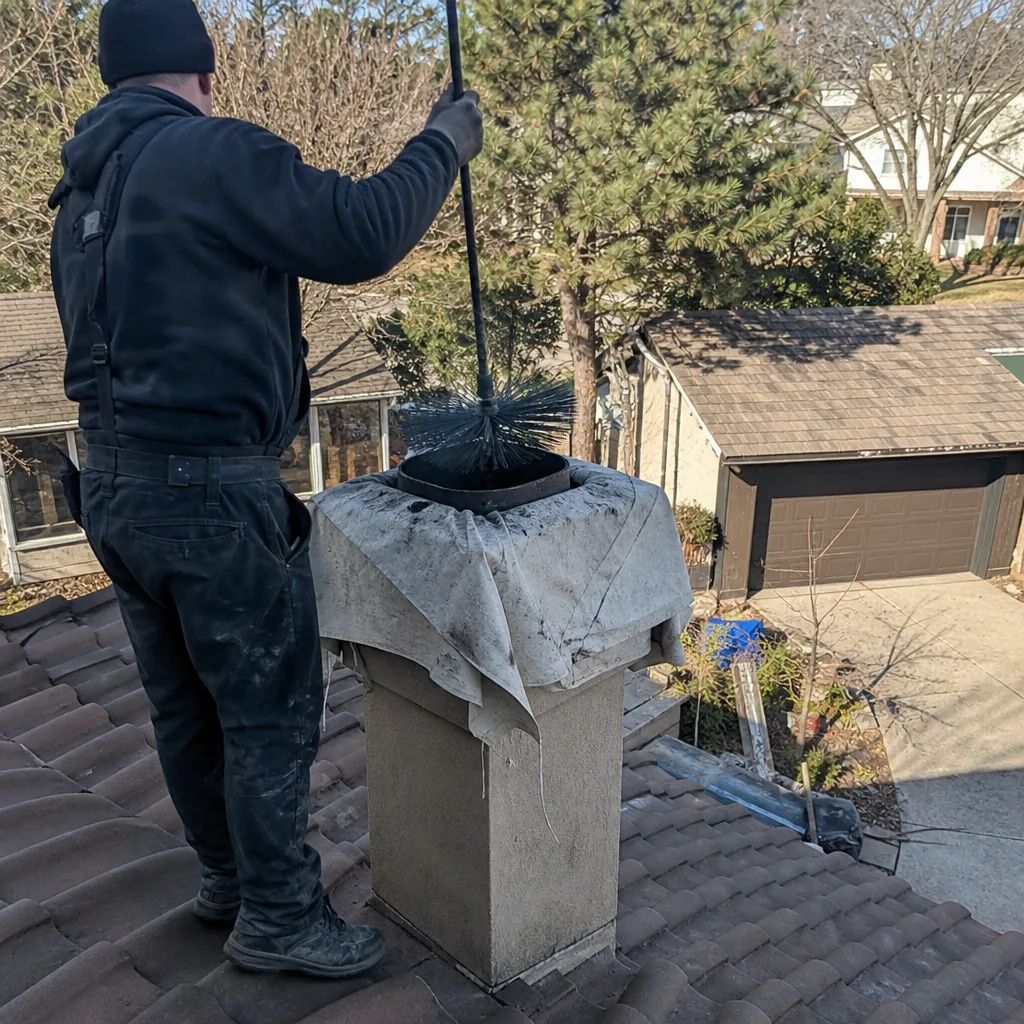
Chimney sweep logs do not sweep chimneys. They loosen some creosote - which then falls where a brush and vacuum still have to collect it.
 Before
 After
After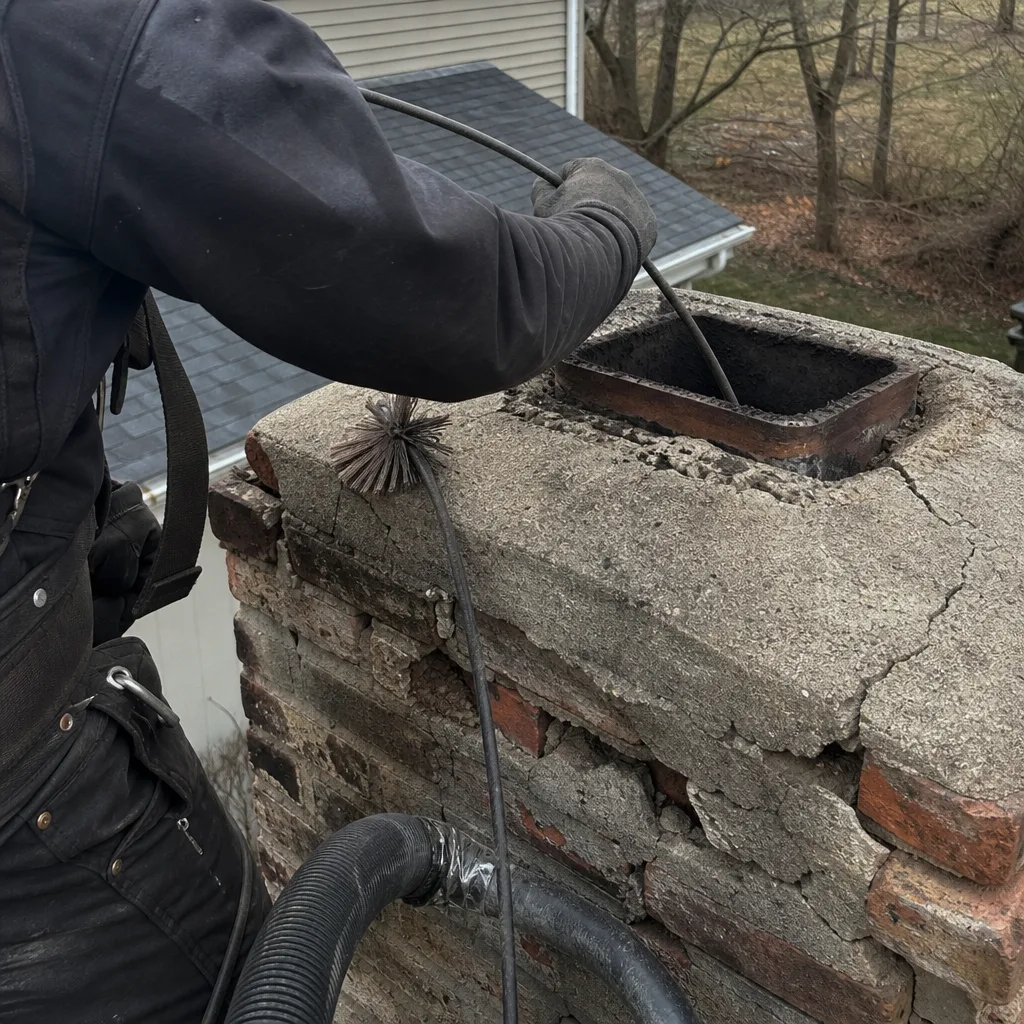 Before
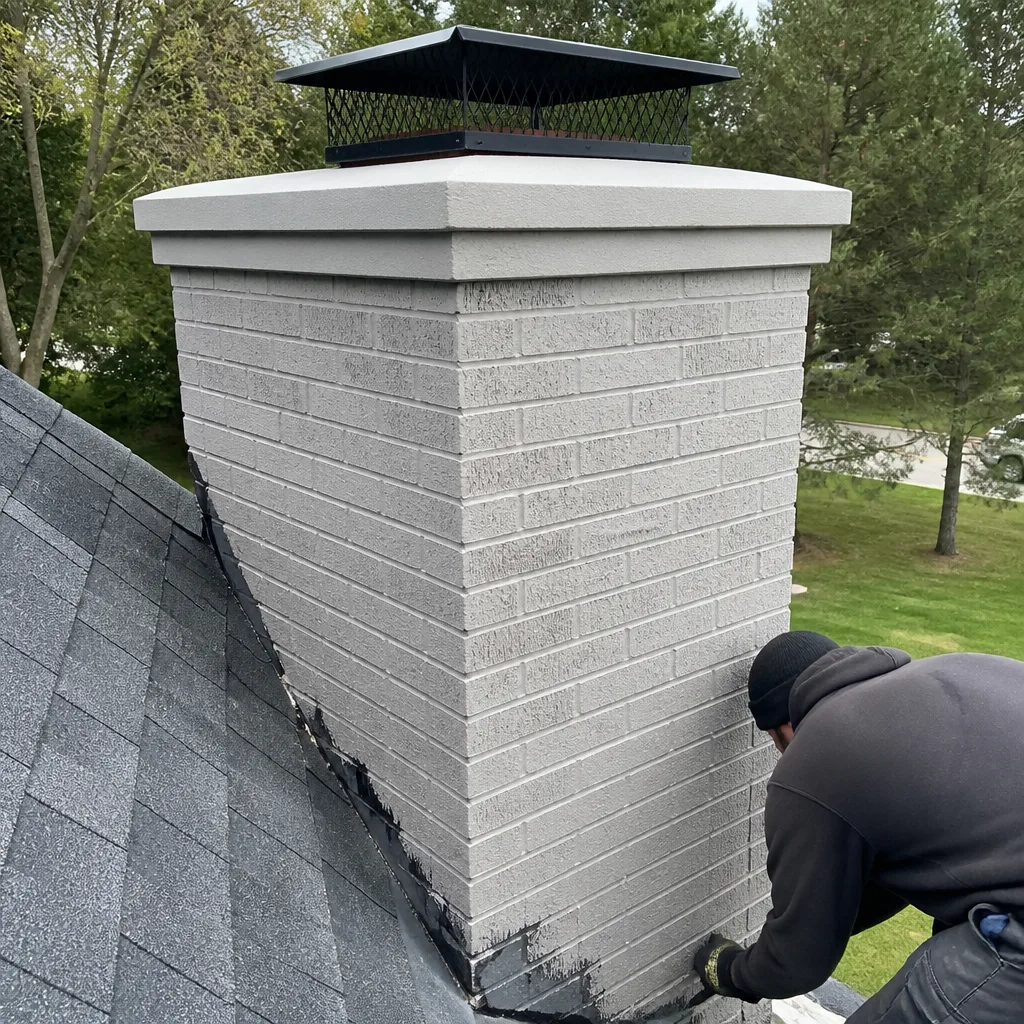 After
After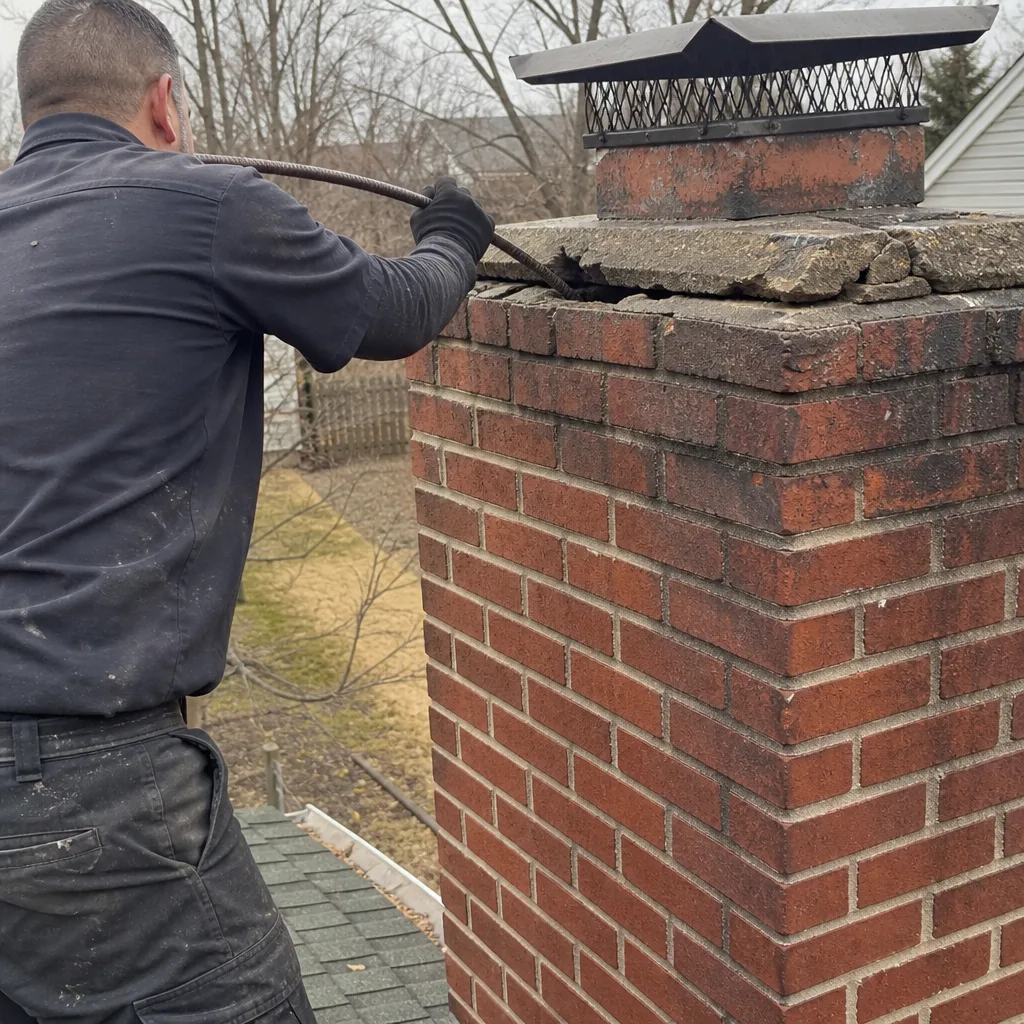 Before
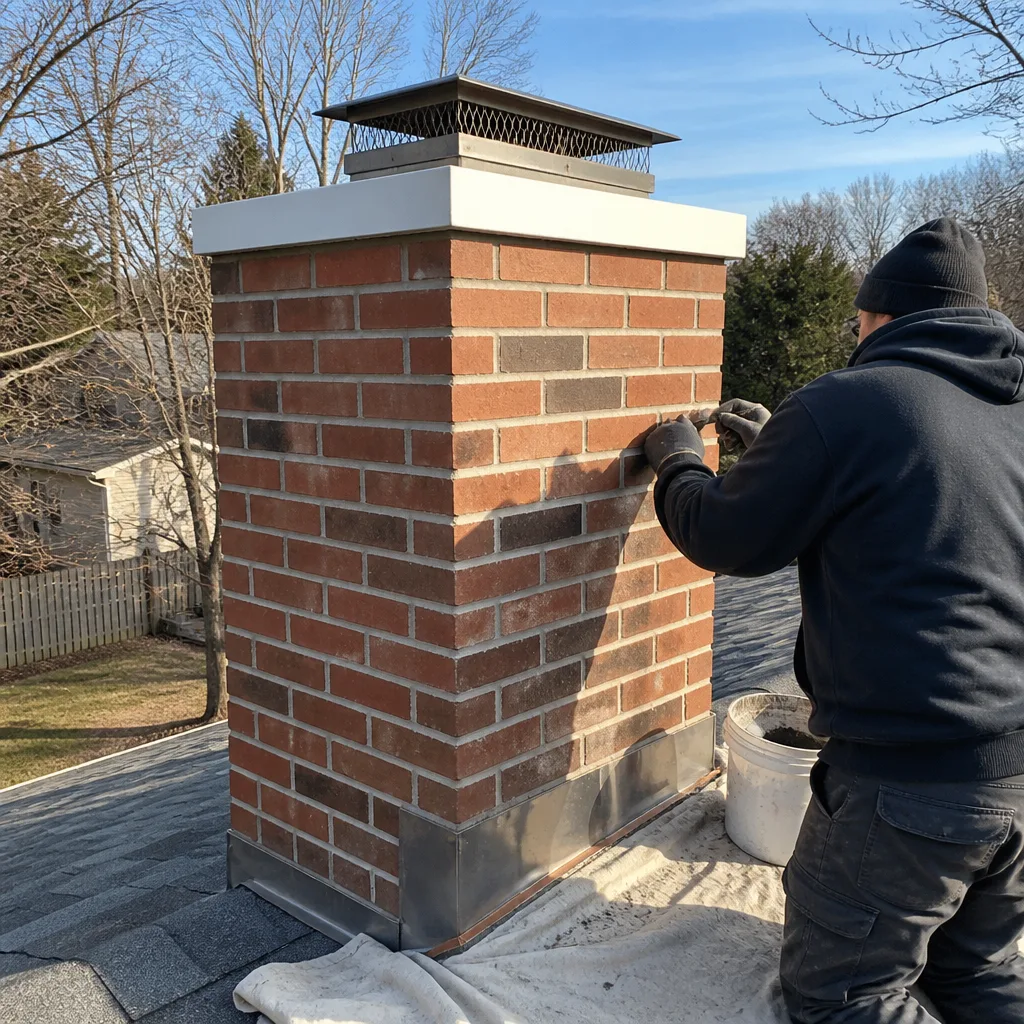 After
AfterChimney Sweep Maintenance Checklist for Downers Grove Homeowners
Before a sweep arrives, most homeowners don’t know what to look for. After they leave, most homeowners don’t know what to ask for. That gap is where both fraud and missed repairs live. In Downers Grove, where freeze-thaw cycles punish mortar from November through March and oak-heavy firewood produces stubborn glazed creosote, a checklist that only covers the sweep visit is half a maintenance plan. The other half is what you verify yourself: the photos you take, the scope you read, and the documentation you keep. This guide gives you both halves, built from 38,000+ inspections and the repair calls that came after inspections done without one.
Quick Answer
A complete chimney maintenance checklist for Downers Grove homeowners has three phases: pre-visit documentation (photograph your firebox, damper, crown, and flashing to create a baseline), during-visit verification (confirm rotary brushing, camera insertion to the smoke chamber, and written pricing before work starts), and post-visit documentation (written scope, before/after photos, inspector name and certification, and warranty language). Seasonally, inspect for freeze-thaw mortar damage each spring, schedule your Chimney Sweep services by early October before first fire, and check mid-winter if you burn more than three cords.
Table of Contents
- Pre-Visit Checklist: Document Before the Truck Arrives
- During-Visit Checklist: Verify What’s Actually Being Done
- Post-Visit Documentation Checklist: What You Should Walk Away With
- Seasonal Add-Ons for Downers Grove’s Climate
- Red Flags: Invoice Line Items That Should Never Appear
- What Chimney Maintenance Costs in Downers Grove
- Common Mistakes to Avoid
- When to Call a Professional
- Frequently Asked Questions
- The Bottom Line
BeforeAfterPre-Visit Checklist: Document Before the Truck Arrives
The most powerful tool in your chimney maintenance plan is the camera on your phone, used before anyone else brings theirs into your home. A baseline photo record protects you from two opposite problems: the technician who invents damage that doesn’t exist, and the technician who misses damage that does. We’ve responded to both in Downers Grove, from a crown rebuild that was quoted on perfectly sound masonry to a deteriorated flue liner that a flashlight inspection never caught.
What to Photograph
- Firebox floor and walls. Get the full interior, including the back wall where heat stress cracks first appear. Note any existing cracks, stains, or missing mortar. Date the photo.
- Damper assembly. Shoot it open, closed, and at the pivot point where rust seizes first. A stuck damper is a $200-$400 repair that gets blamed on “normal wear” when it was already stuck before the visit.
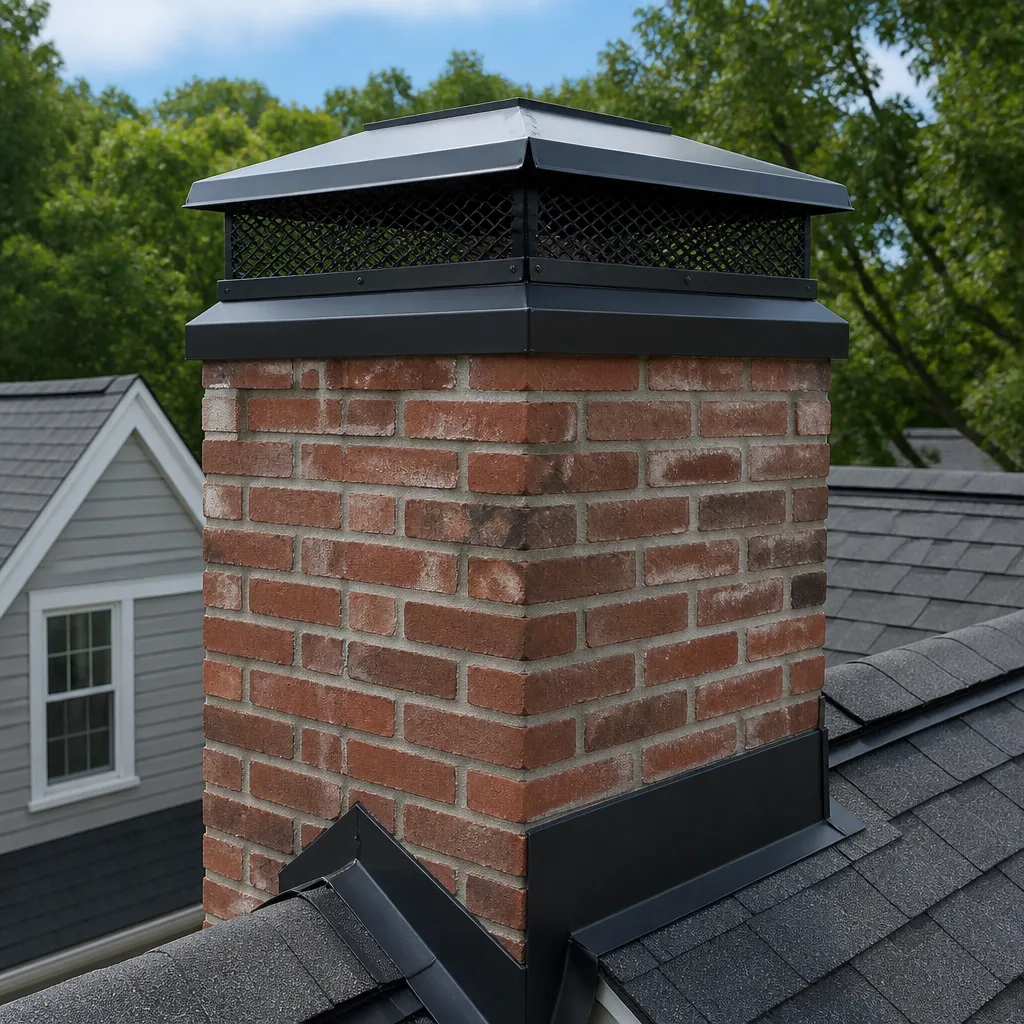
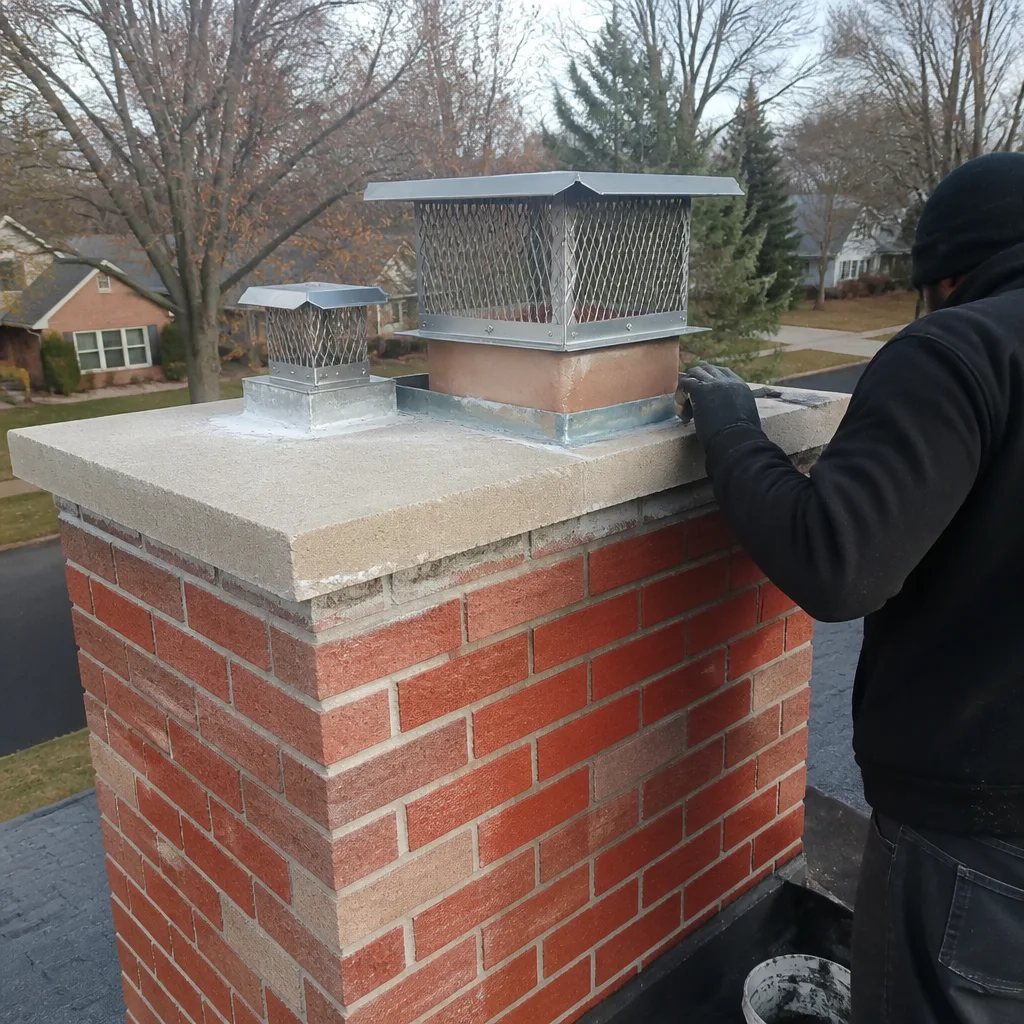
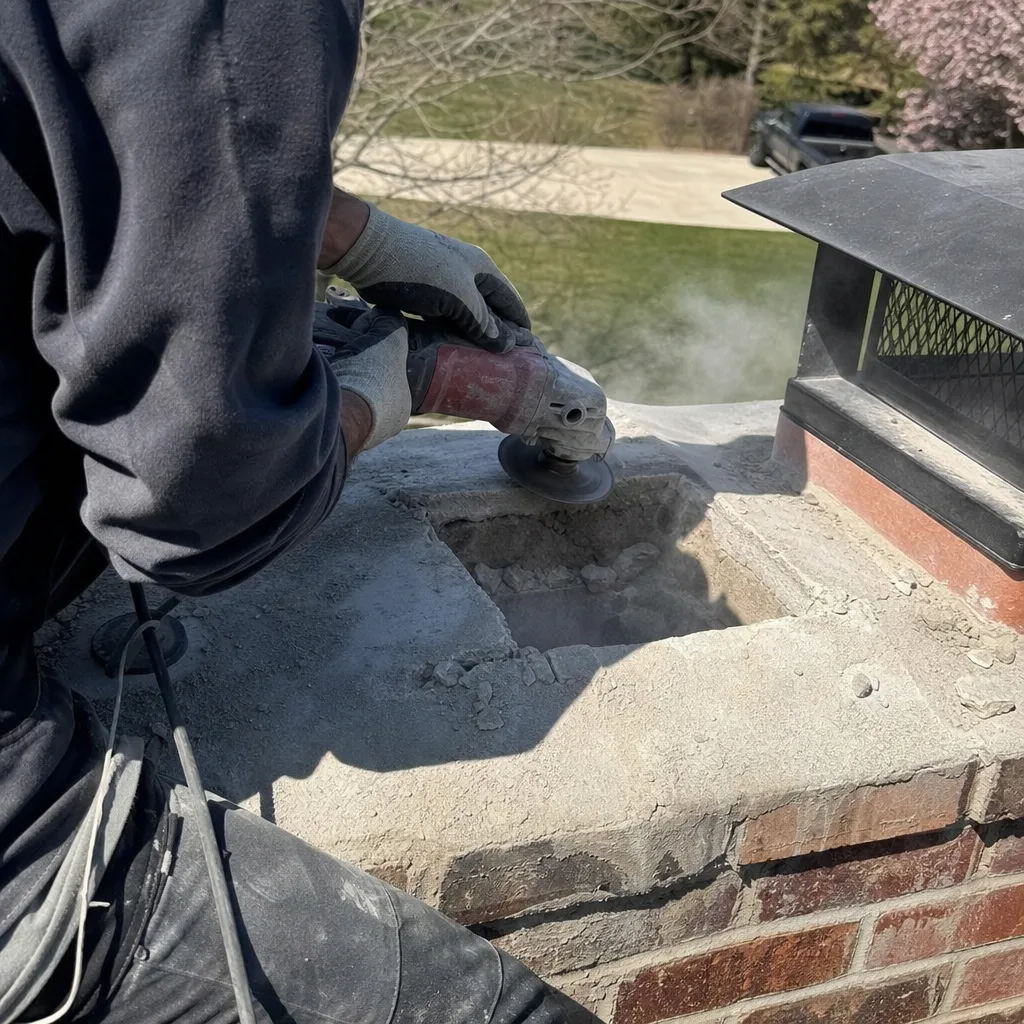
- Exterior crown. From the ground with zoom, or safely from a ladder if you’re comfortable. Look for hairline cracks, pooling, or missing chunks. The crown is concrete or mortar that caps the chimney and sheds water; in Downers Grove, freeze-thaw cycles turn hairline cracks into spalling (surface flaking) within two winters.
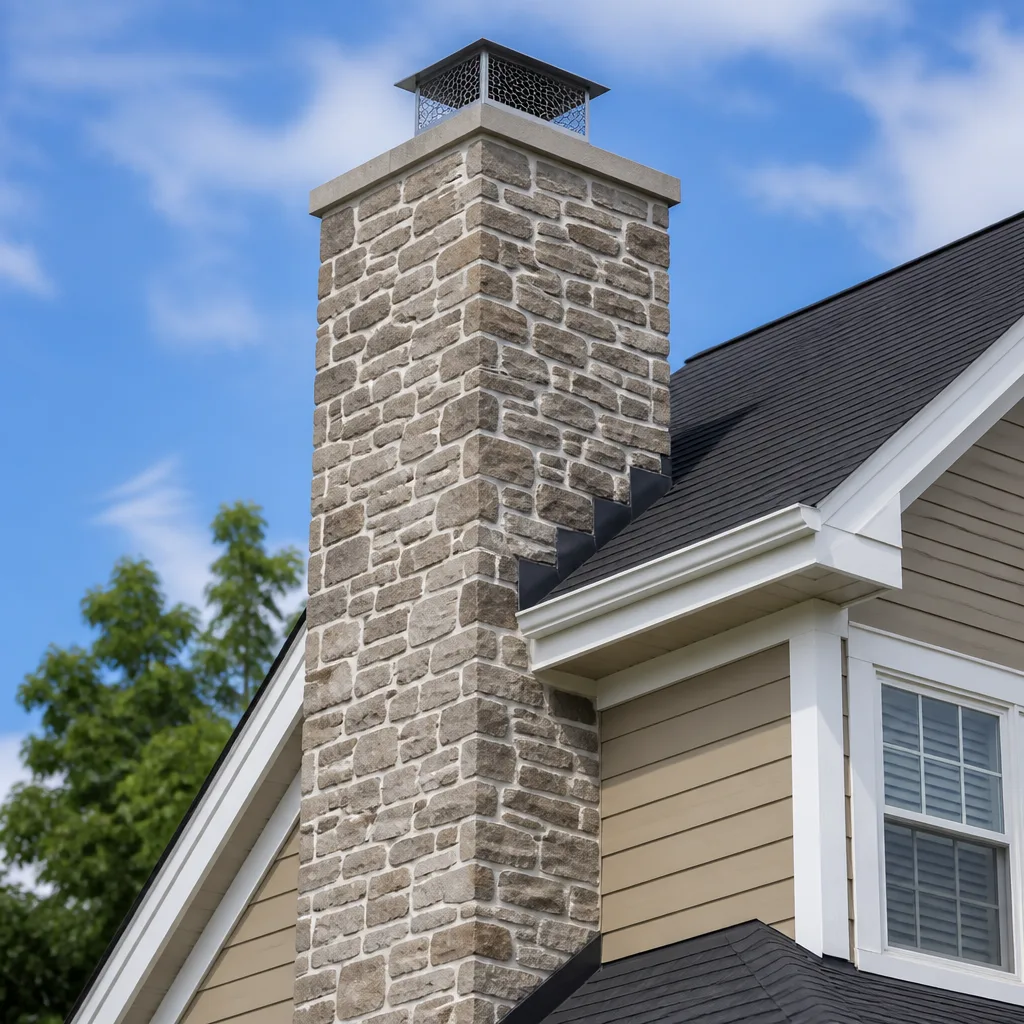
- Flashing where chimney meets roof. Lifted corners, caulk gaps, or rust stains on shingles below are water entry points. Water damage behind walls is the most expensive chimney-related repair we see in older Downers Grove homes, especially in neighborhoods like Prince Crossing and the areas near Lyman Woods where mature tree cover keeps roofs damp longer.
- Cap and mesh. Missing mesh, bent frames, or gaps where animals enter. Squirrels and raccoons are active year-round in Downers Grove’s canopy-heavy lots.
Store these in a dated folder. When the technician presents findings, you have something to compare against. If they claim a crack is “new” and your photo shows it unchanged from last year, that conversation changes.
Clear the Work Area
Move furniture three feet from the hearth. Remove mantel items that could vibrate loose during rotary brushing. Cover nearby flooring with your own sheet if you’re concerned; a professional brings drop cloths, but redundancy costs nothing. For wood-burning inserts, know the make and model; some require specialized adapter brushes that an unprepared crew won’t have.
During-Visit Checklist: Verify What’s Actually Being Done
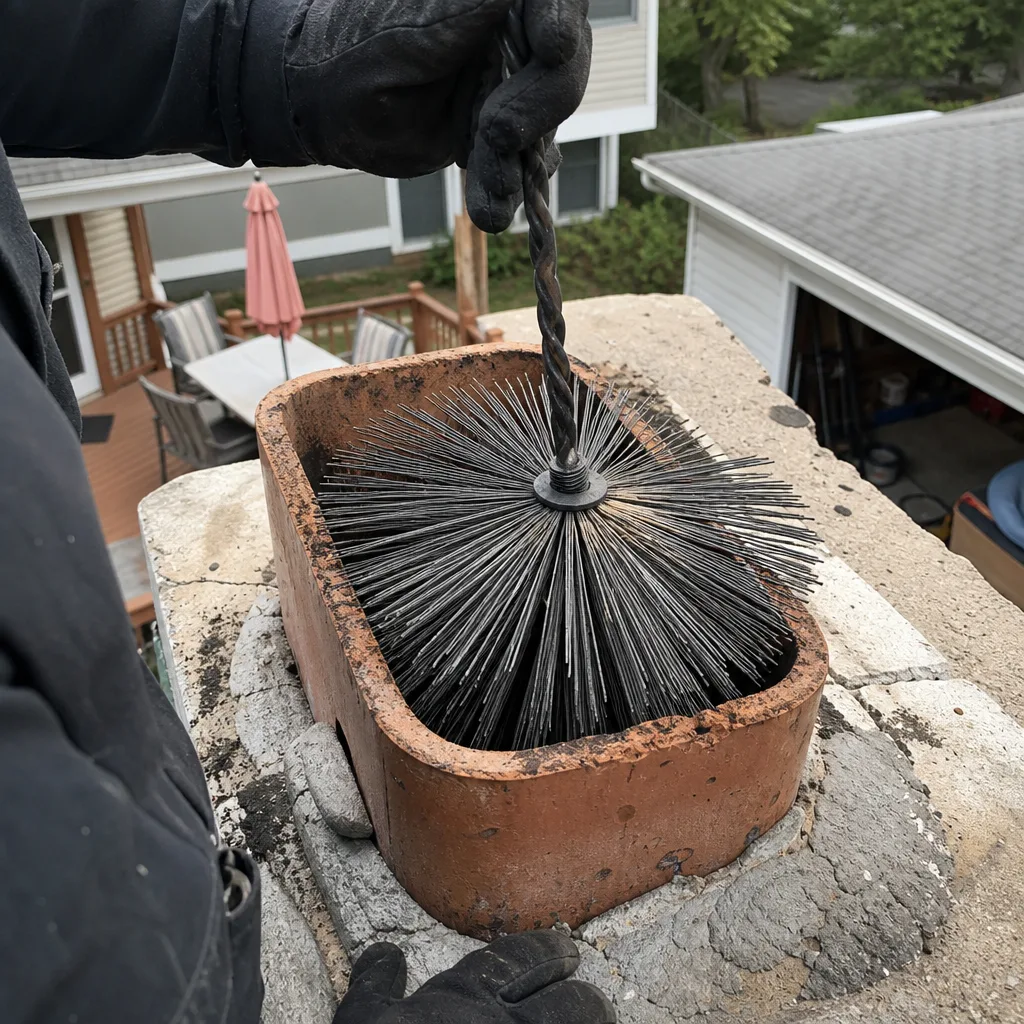
The NFPA 211 standard for chimney inspection has three levels. Most sweeps in Downers Grove sell a “Level 1” by default: visual, accessible, no tools. At Emberly Chimney Cleaners Downers Grove home, we made Level 2 - camera down the flue, documented photo record - the default in 2009, years before insurers or regulators asked for it. That practice became Clause 4 of the Haven Standard. Here’s how to confirm you’re getting what you paid for, without hovering.
Confirm These Five Checkpoints
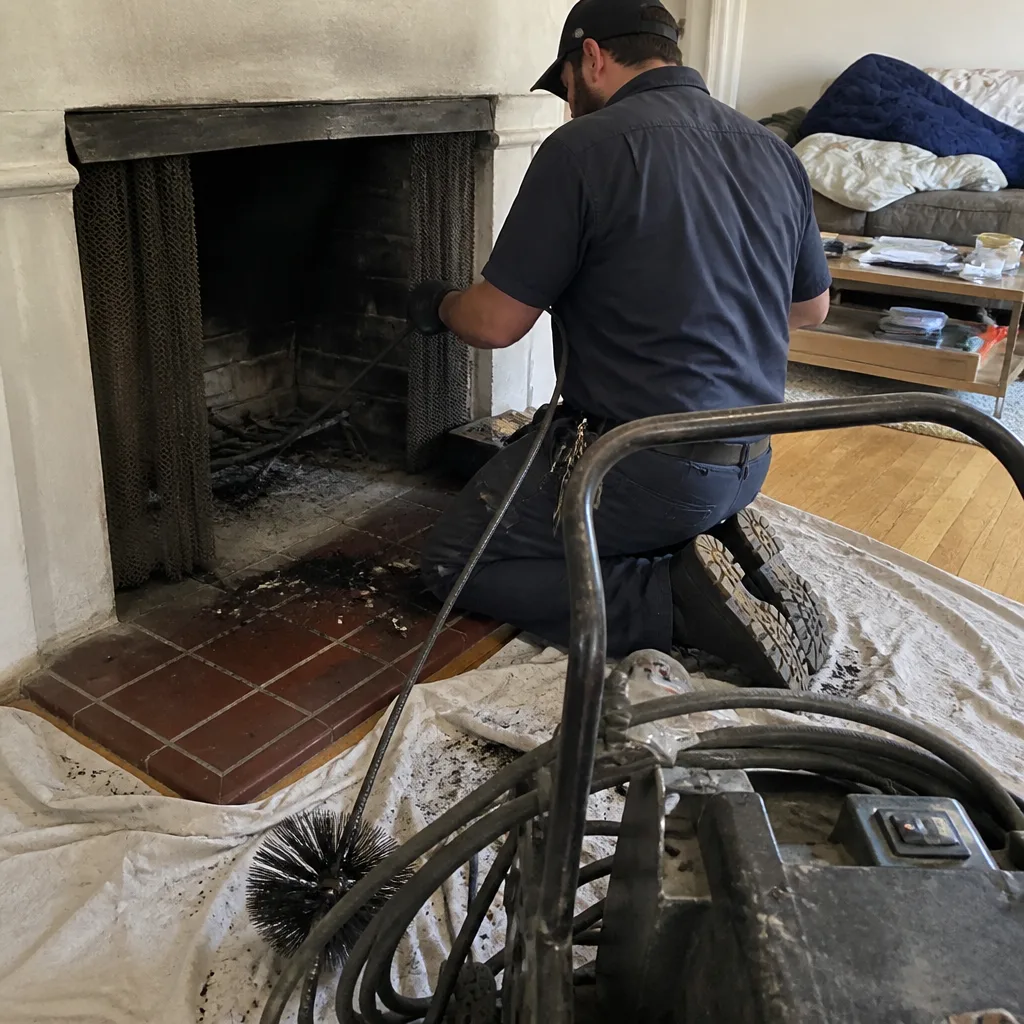
- Rotary brushing, not hand brushing only. Hand brushing removes loose soot. Rotary brushing with a powered driver and poly or wire whip removes adhered creosote. If your sweep sets up only rods and a hand brush for a wood-burning system, you’re getting a partial cleaning. The rotary system should run the full flue length, typically 15-25 feet in Downers Grove’s two-story colonials and ranches.
- Camera insertion to the smoke chamber. The smoke chamber is the area above the damper where smoke collects before entering the flue. It’s where the most dangerous creosote buildup hides, and it’s where most chimney fires start. A camera that stops at the damper hasn’t inspected the chamber. Ask where the camera went; the answer should be specific.
- Drop cloths at the hearth and the equipment path. Soot is carbon; it stains permanently. A crew that doesn’t protect your floor before setting down metal rods is a crew that doesn’t expect to be held accountable for damage.
- Written price before work starts. This is Haven Standard Clause 1: “Have it in writing.” Not a verbal estimate, not a range given over the phone, not a price delivered after the tech is already in your home with equipment deployed. A written scope, written price, and written warranty before anyone starts. If you’re told “we’ll figure that out after we see what we find,” that’s when you pause.
- Photo or video shown to you in real time. The camera feed should be visible on a screen you can see, not described to you after the fact. You should see what the technician sees: liner condition, creosote thickness, any gaps or deterioration.
One note on technician identification: under the Haven Standard, the crew should be uniformed, background-checked, and the license number visible. You should receive a text when they’re en route with a named technician. In our experience, homeowners who know the name of the person in their home ask better questions and get better answers.
Post-Visit Documentation Checklist: What You Should Walk Away With
The visit ends when you have documentation, not when the truck leaves. This is where most homeowners stop paying attention, and where most disputes begin six months later. Here’s what constitutes a complete record under any legitimate standard.
Required Documentation
- Written scope of work performed. Specific, not generic: “Rotary sweep of 18-foot flue liner, Class II creosote removed, smoke chamber accessed and brushed.” Not “chimney cleaned.”
- Before and after photos. Timestamped, geotagged if possible, showing liner condition at multiple depths. These are your evidence if a future inspector claims damage predates their visit.
- Inspector name and certification number. CSIA (Chimney Safety Institute of America) certification is the industry standard. The certificate number should be recorded; you can verify it at csia.org.
- Warranty language in writing. What is covered, for how long, and what triggers it. The Haven Standard’s 365-Day Done Right Promise is stamped on every job: if it’s not done right, we make it right. That language should be on your invoice or attached warranty document, not implied.
- Condition assessment and recommendations. Separated into “required for safe operation,” “recommended maintenance,” and “monitor.” Any recommendation for liner replacement, crown rebuild, or masonry repair should reference the specific photo or video frame that shows why.
File these with your home records. In Downers Grove, where home sales move quickly in the spring market, a documented chimney history is a transferable asset that buyers’ inspectors respect.
Seasonal Add-Ons for Downers Grove’s Climate
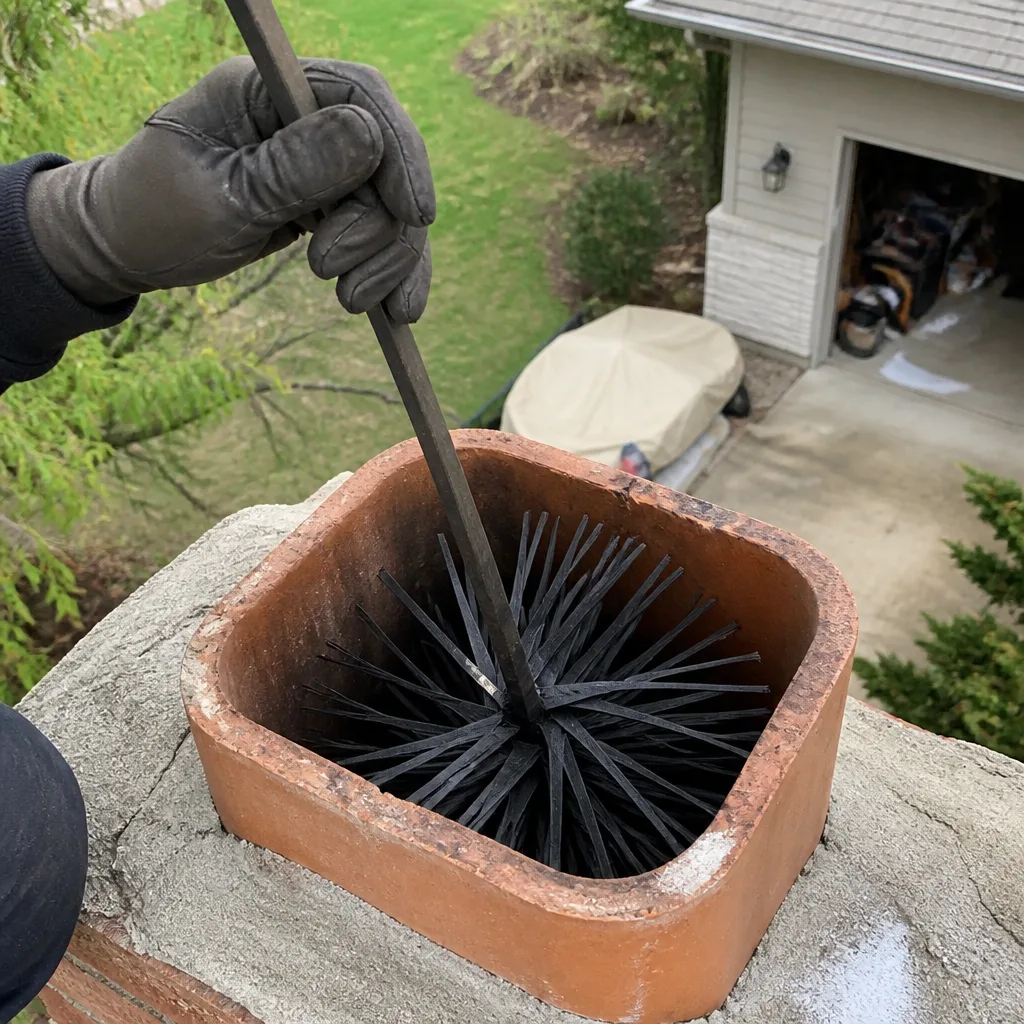
Downers Grove sits at the edge of the Chicago metro’s lake-effect zone, which means more freeze-thaw cycles than communities farther inland, and more oak and hickory in the firewood supply from local tree services. Those two factors - thermal cycling and dense hardwood - create specific maintenance rhythms we cover in The Complete Guide to Chimney Cleaning in Downers Grove.
Spring (March-May): Post-Winter Damage Assessment
After the last fire, inspect exterior mortar for spalling and the crown for new cracks. Freeze-thaw damage accelerates when water enters micro-cracks, expands overnight, and wedges them wider. In Downers Grove, we regularly see this pattern on south- and west-facing chimney faces where daily sun-thaw and overnight refreeze cycles are most extreme. Check the attic around the chimney for water stains that appeared over winter; ice dam backup often routes water behind flashing.
Early Fall (September-October): Pre-Burning Season Sweep
Schedule by October 1st. The rush starts after the first cold snap, and availability compresses. A pre-season sweep removes last year’s creosote buildup before the first fire glazes it into harder-to-remove Class III creosote. This is also when to verify your cap mesh is intact; squirrels are nesting in October, and a warm flue is attractive.
Mid-Winter (January-February): High-Burn Check
If you burn more than three cords of oak or mixed hardwood, schedule a mid-season inspection. Dense hardwood burns hotter and cleaner than softwood, but produces more fly ash that can block the cap mesh or damper track. We’ve cleared caps in Downers Grove that were 40% obstructed by February, restricting draft and pushing smoke into the home.
Annual Regardless of Use: Gas and Unused Fireplaces
Gas inserts and even unused wood fireplaces need annual inspection. For gas, it’s corrosion in the burner assembly and debris in the vent. For unused wood systems, it’s animal nesting, moisture damage, and deterioration that progresses whether you burn or not. NFPA 211 recommends annual inspection for all chimney types; insurance adjusters in Illinois increasingly request documentation after claims.
Red Flags: Invoice Line Items That Should Never Appear
Some charges indicate sloppy work; others indicate outright fraud. Here’s what we’ve seen disputed, and what should trigger an immediate second opinion.
Charges That Should Not Appear
- “Chemical treatment” for routine creosote. Class I and II creosote removes with mechanical brushing. Chemical treatments are for glazed Class III buildup that resists brushing; they’re a specific procedure, not a routine upsell. If you’re charged for chemicals without photo evidence of glazed creosote, question it.
- “Emergency” or “rush” fees for standard scheduling. Seasonal demand is predictable; a sweep company that can’t plan capacity is not your emergency.
- Vague materials charges without brand or specification. “Liner material: $1,200” without noting DuraFlex, Olympia Chimney, or another listed brand is a blank check. We source through Haven’s buying network specifically to keep customer prices honest; your invoice should name what was installed.
- Charges for “inspection” when you booked a sweep. The inspection is part of the sweep. Separating them is double-dipping unless you explicitly requested a standalone Level 2 inspection with no cleaning.
Items That Should Appear But Often Don’t
- Camera inspection documentation. If you paid for a sweep and the invoice doesn’t reference camera footage or photo record, you likely received a flashlight look. Clause 4 of the Haven Standard requires a photo record on every job; we don’t consider a visit complete without it.
- Written warranty separate from invoice. A warranty referenced only on a business card or verbally is not enforceable. It should be on paper, with scope, duration, and conditions.
- Specific creosote classification. “Creosote removed” tells you nothing. Class I (soot), Class II (flakes), or Class III (glazed, tar-like) determines whether your burning habits need adjustment and when you need your next sweep.
What Chimney Maintenance Costs in Downers Grove
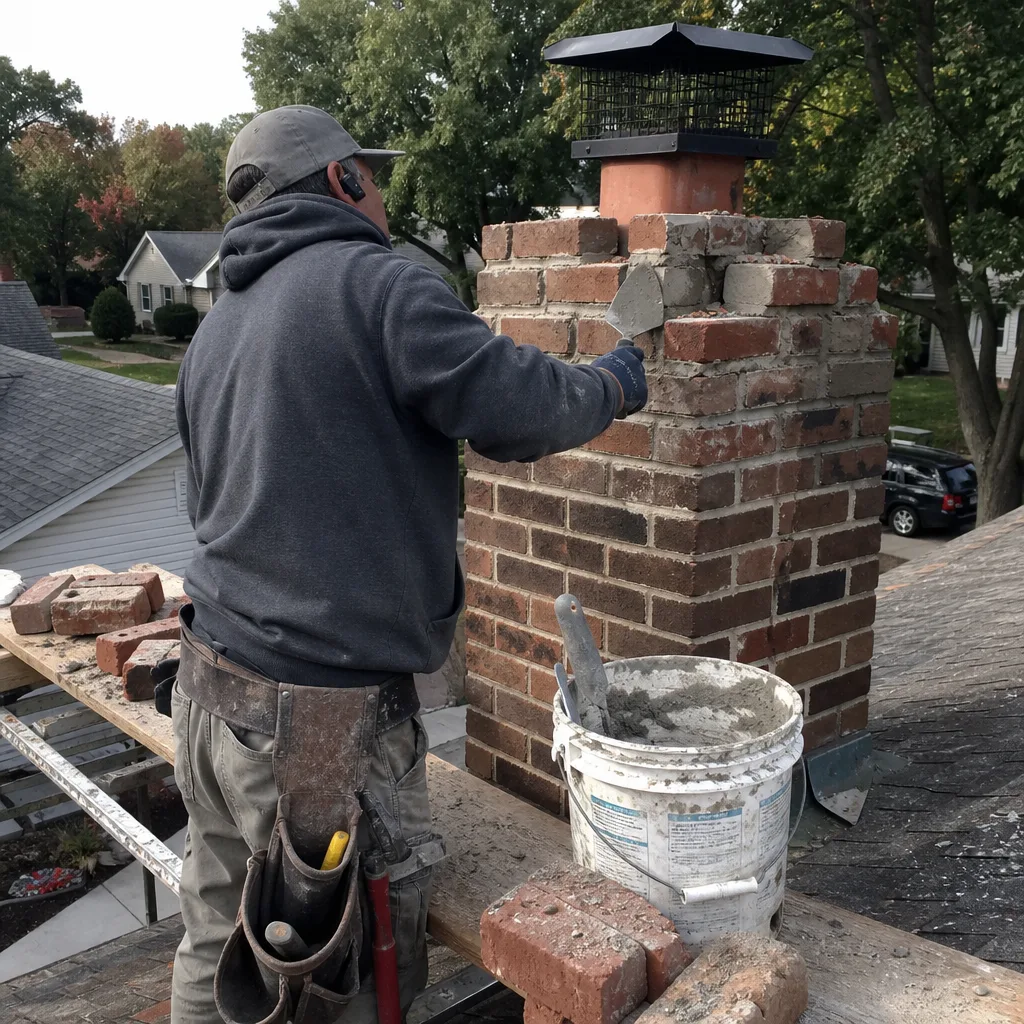
Price transparency is Haven Standard Clause 1. Here’s what Emberly Chimney Cleaners Downers Grove charges and what the market looks like, so you can evaluate any estimate.
| Service | Typical Range in Downers Grove | What’s Included |
|---|---|---|
| Standard chimney sweep (wood-burning fireplace) | $199-$289 | Rotary brush cleaning, smoke chamber access, Level 2 camera inspection, photo record, written condition report |
| Gas fireplace inspection and cleaning | $159-$229 | Burner assembly check, vent inspection, gas leak test with digital manometer, written report |
| Chimney cap replacement (standard stainless) | $285-$450 | Cap, mesh, installation, flashing seal check |
| Crown repair (minor crack sealing) | $350-$650 | Surface prep, flexible crown sealant (HeatShield or equivalent), documentation |
| Crown rebuild (full) | $1,200-$2,400 | Form and pour new concrete crown, overhang and drip edge, documentation |
| Flue liner repair (HeatShield resurfacing) | $1,800-$3,500 | Camera-measured surface prep, HeatShield application, post-cure camera verification |
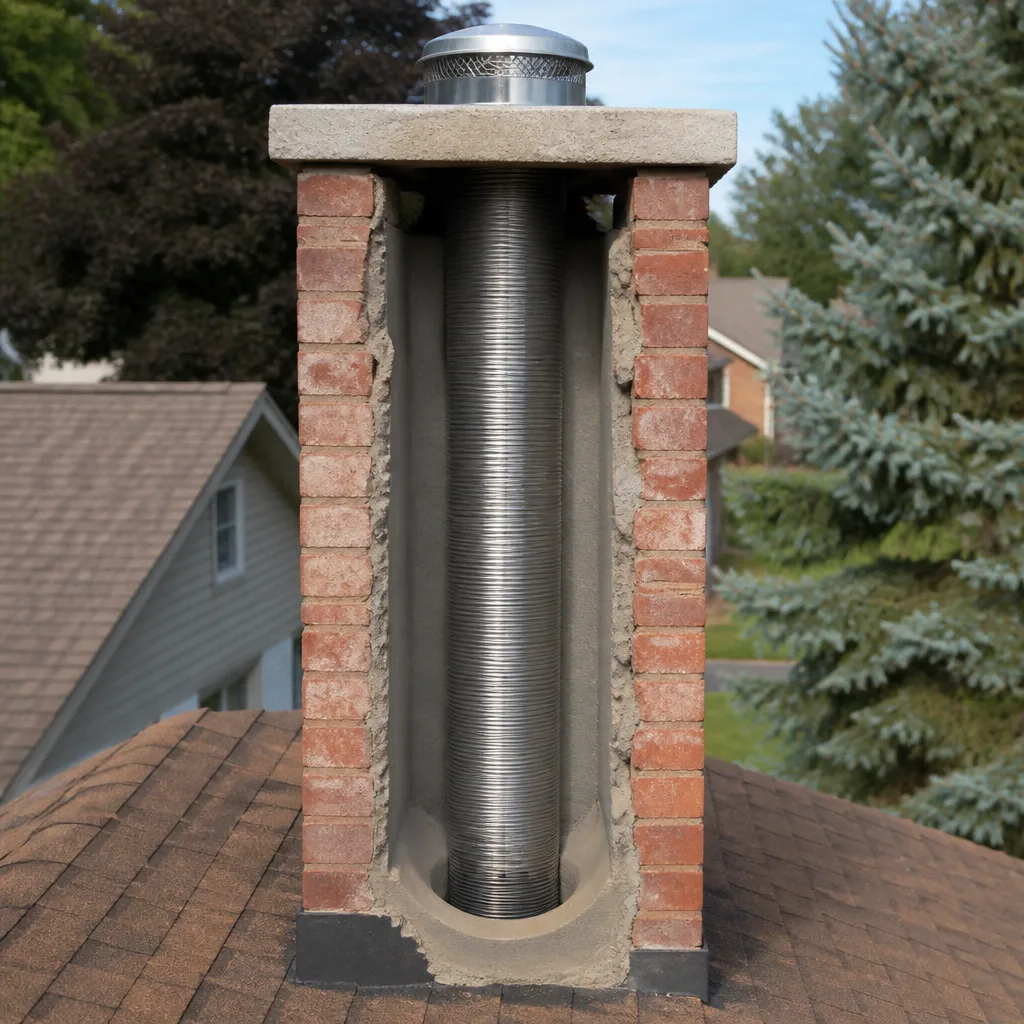
| Full liner replacement (stainless) | $2,800-$5,500 | DuraFlex or Olympia Chimney liner, insulation, top plate, connection, documentation |
These ranges reflect Downers Grove’s market: higher than rural Illinois due to labor and material costs, lower than downtown Chicago due to easier access and parking. Every job we quote is a flat price agreed before work starts, with no hourly surprises. If you have a competitor’s written estimate, we offer a Free Second Opinion - bring us the quote, and we’ll review the scope and pricing against what we see in your system.
Call (331) 253-4980 for an exact quote on your system. Estimates are free, written, and delivered before any work is discussed.
Common Mistakes to Avoid
- Skipping the sweep because “it looks fine.” Creosote buildup is not visible from the firebox. By the time you see smoke backing up, the flue is significantly obstructed. In Downers Grove’s older homes with narrower flues, the threshold for dangerous restriction is lower.
- Assuming all sweeps include camera inspection. Most do not. A flashlight look from the top or bottom misses the smoke chamber and mid-flue defects that cameras catch. Verify before booking.
- Burning unseasoned wood from local tree services. Oak and hickory need 18-24 months to season below 20% moisture. “Free wood” from a downed tree in Lyman Woods or a neighbor’s removal is often 40-50% moisture, producing double the creosote of properly seasoned fuel.
- Ignoring the exterior until there’s a leak. Crown and flashing maintenance is preventive, not reactive. A $400 crown seal in year three prevents a $2,000 rebuild in year six. The freeze-thaw cycle in Downers Grove doesn’t negotiate.
- Accepting verbal estimates for major work. Liner replacement, rebuilds, and extensive masonry should never proceed on a verbal quote. Haven Standard Clause 1 exists because we’ve seen homeowners held to inflated final bills with no written reference point.
- Not asking for the technician’s certification number. CSIA certification is verifiable. A technician who deflects or claims “company certification” may not hold individual credentials. This matters for insurance documentation and dispute resolution.
When to Call a Professional
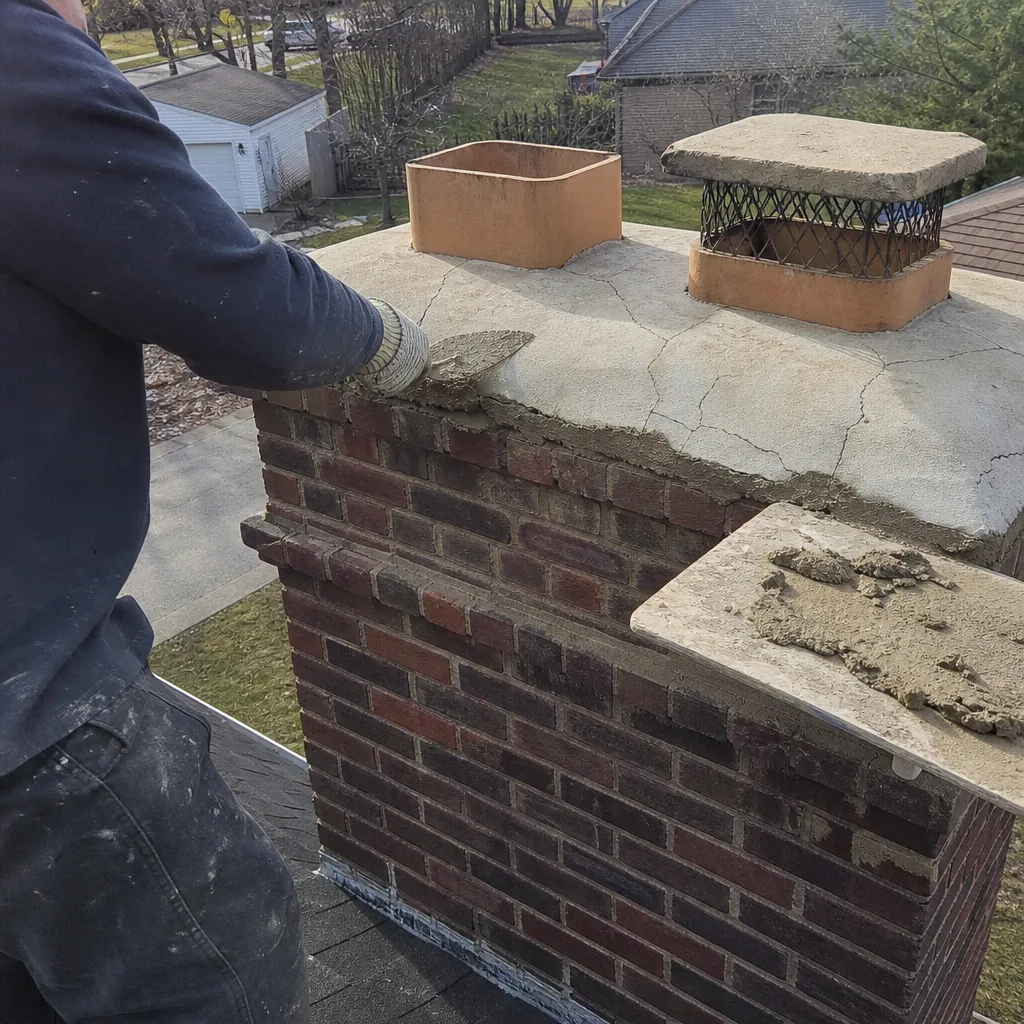
Some conditions require immediate professional evaluation: smoke entering the room during normal operation, visible cracks in the flue liner seen from the firebox, pieces of tile or brick in the firebox (spalling liner or masonry), water stains on walls or ceiling near the chimney, or a strong odor of creosote during humid weather (indicating significant buildup). For gas systems, any sulfur or rotten-egg smell requires immediate evacuation and utility contact; gas leaks are not a chimney sweep issue alone.
For routine maintenance, schedule before symptoms appear. The NFPA 211 annual inspection standard exists because most dangerous conditions develop without obvious signs until failure. Chimney Sweep in Downers Grove from Emberly Chimney Cleaners Downers Grove includes camera inspection, photo documentation, and written pricing on every visit. We offer free estimates in Downers Grove - call (331) 253-4980 to schedule.
Frequently Asked Questions
A standard chimney sweep with Level 2 camera inspection in Downers Grove typically runs $199-$289 for a wood-burning fireplace, and $159-$229 for a gas insert. The price includes rotary brushing, smoke chamber access, photo documentation, and a written condition report. Call (331) 253-4980 for an exact quote on your system - estimates are free.
The NFPA 211 standard calls for annual inspection, with sweeping frequency determined by use and fuel. For wood-burning systems using seasoned oak or mixed hardwood, we recommend sweeping after every cord to cord-and-a-half burned, which for most Downers Grove households means annually before the burning season. Gas systems need annual inspection and cleaning of burner assembly and venting. Call (331) 253-4980 to schedule.
You need a new liner when the existing one is cracked, deteriorated, or improperly sized for the appliance - and only with photo or video evidence you can see yourself. We’ve reviewed competitor quotes for “required” liner replacement where the actual defect was a $300 crown repair. At Emberly Chimney Cleaners Downers Grove, no liner work is recommended without camera documentation and a written explanation of the specific failure mode. Bring us any competitor’s written estimate for a Free Second Opinion.
Skipped maintenance leads to creosote accumulation, which is the fuel for chimney fires (over 25,000 per year nationally), and to liner deterioration that allows heat transfer to combustible framing or carbon monoxide leakage into living space. In Downers Grove’s older housing stock, many chimneys were built without liners or with clay tile that has aged past safe service life. The risk is real, but so is the ability to verify condition before committing to major repair. Call (331) 253-4980 for a camera inspection that shows you exactly what you have.
Level 1 is visual, accessible, no tools - a flashlight look at what you can already see. Level 2 adds camera inspection of the flue interior, smoke chamber, and accessible portions of the appliance and connection, with photo or video documentation. Level 2 is required by NFPA 211 upon sale or transfer of property, after chimney fire or seismic event, or when any change is made to the system. At Emberly Chimney Cleaners Downers Grove, we made Level 2 the default in 2009; it’s now Clause 4 of the Haven Standard.
You can remove superficial soot from the firebox and check the damper for operation, but flue cleaning requires specialized rotary equipment and roof or ladder access that carries genuine risk. More importantly, without camera inspection you cannot assess liner condition, the primary safety concern. We do not recommend DIY flue cleaning; the cost of professional service includes documentation that protects your home value and insurance position. For fireplace services in Downers Grove, call (331) 253-4980.
The Bottom Line
A chimney maintenance checklist is only as good as the evidence it produces. Photograph your system before the technician arrives. Verify rotary brushing, camera depth, and written pricing during the visit. Leave with specific documentation: scope, photos, inspector credentials, and warranty. Adapt your schedule to Downers Grove’s freeze-thaw cycles and hardwood burning patterns, and treat any invoice without brand-named materials or photo evidence as incomplete. The gap between “sweep completed” and “condition verified” is where homeowners lose money and safety; this checklist closes it.
Written by Corrine Halstead, Owner at Emberly Chimney Cleaners Downers Grove, serving Downers Grove since 2009.