
Last updated September 22, 2026
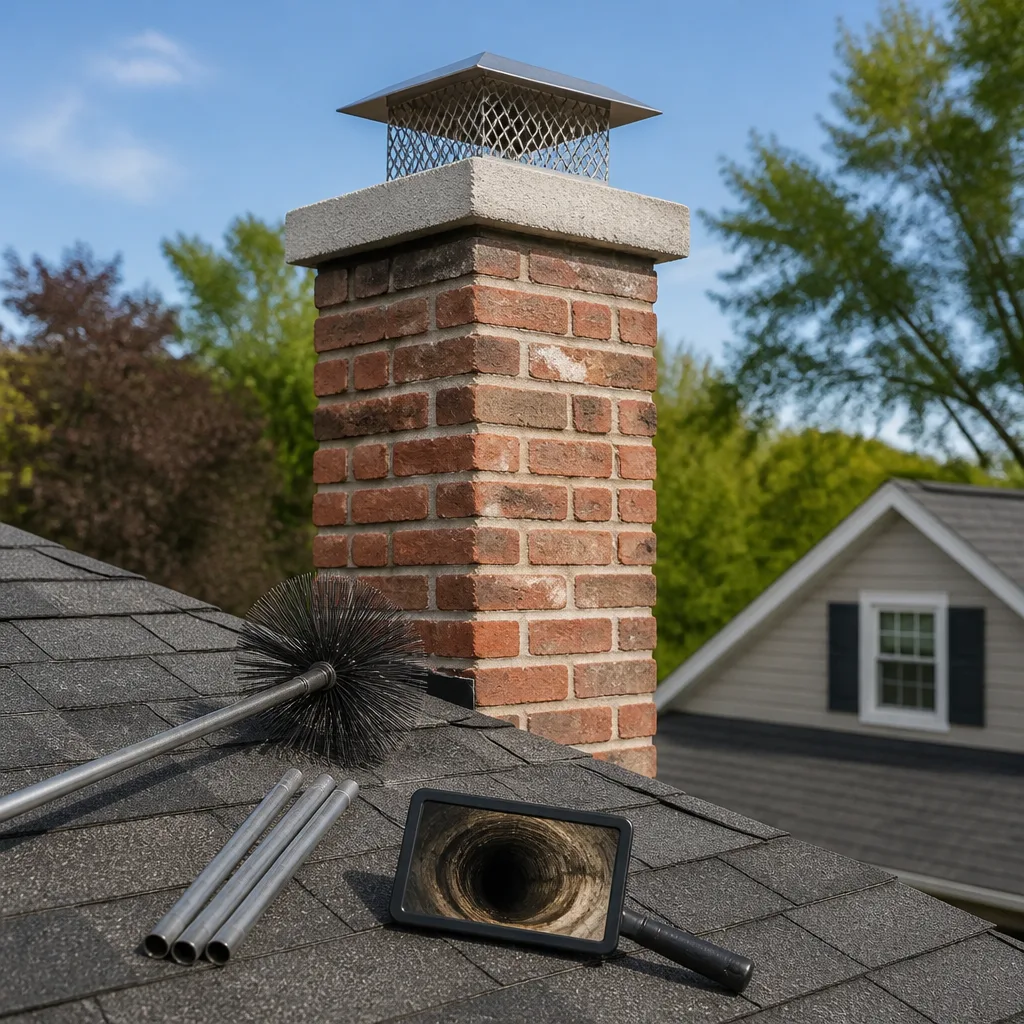
Level 1 sweep and inspection to the NFPA 211 annual standard - flue, crown, cap, and flashing checked and photographed
Chimney sweep logs do not sweep chimneys. They loosen some creosote - which then falls where a brush and vacuum still have to collect it.
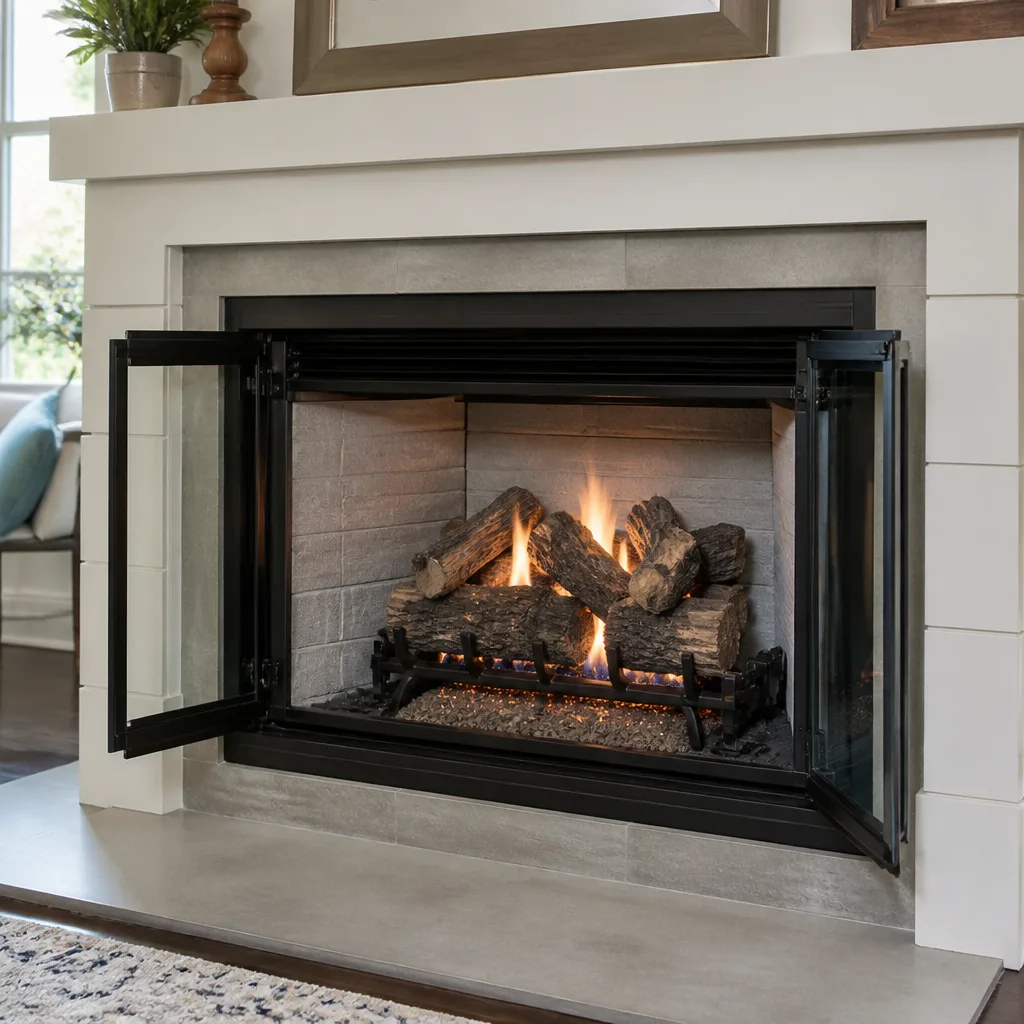
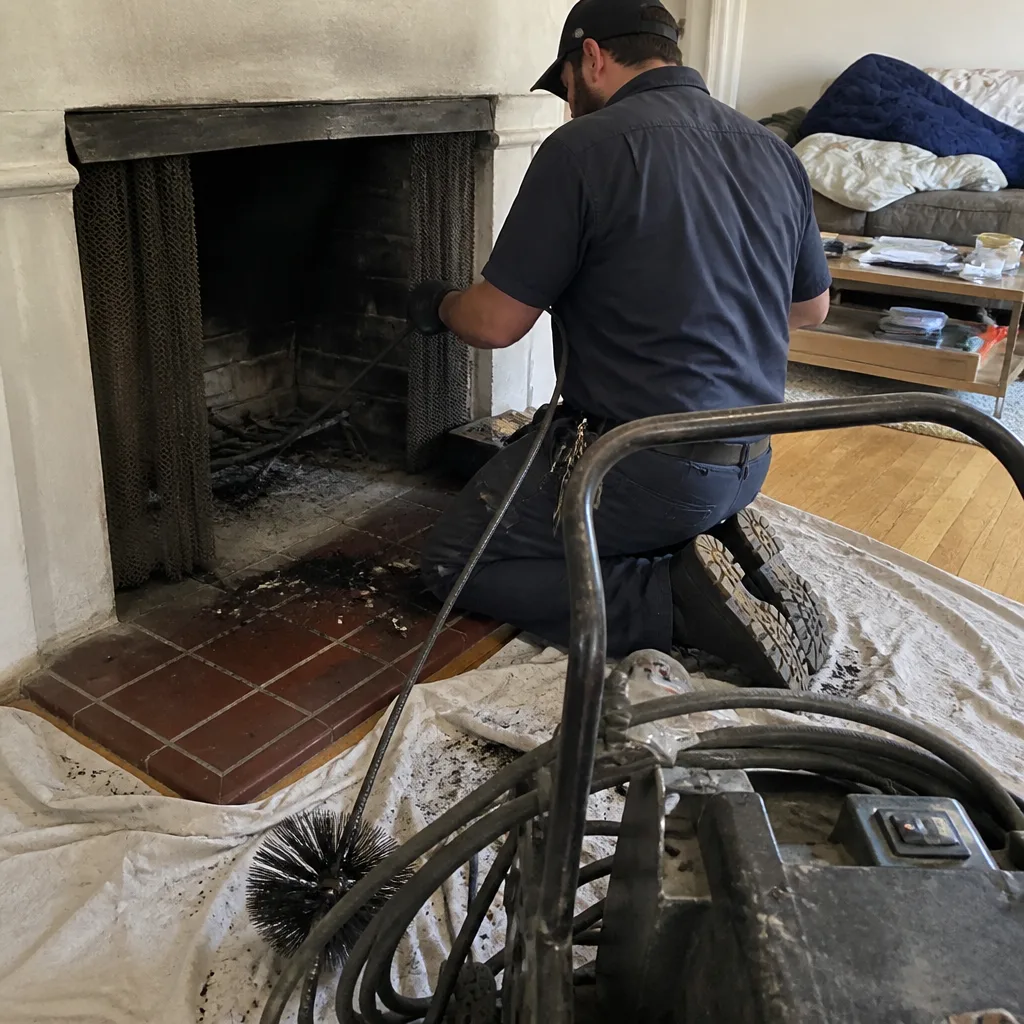 Before
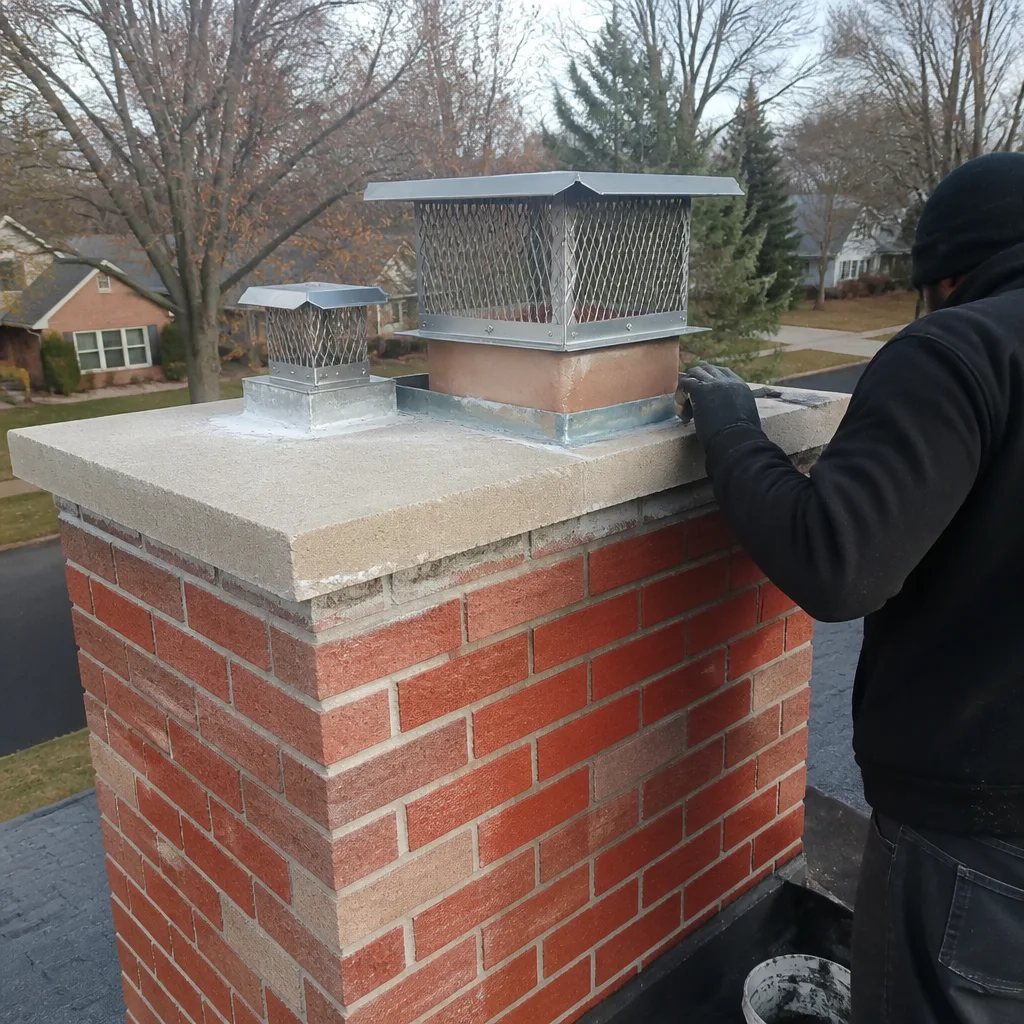 After
After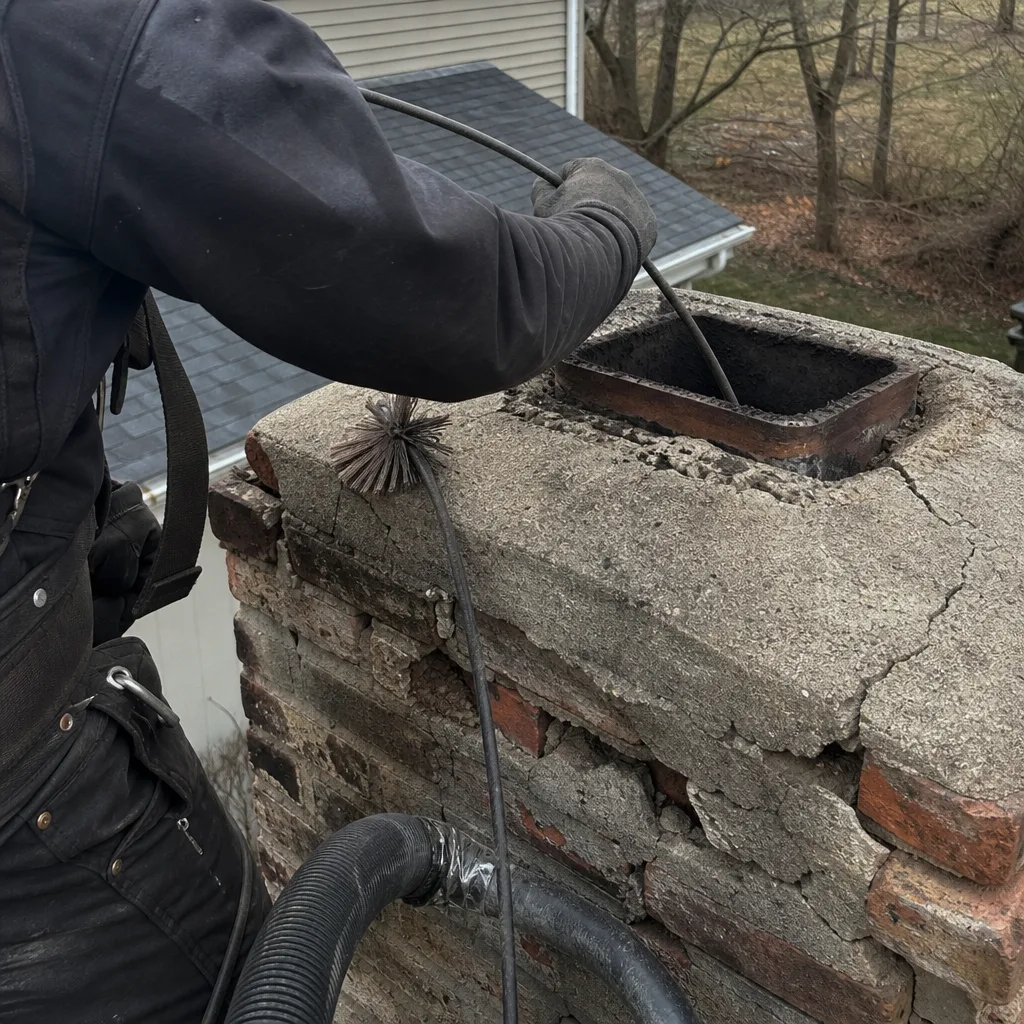 Before
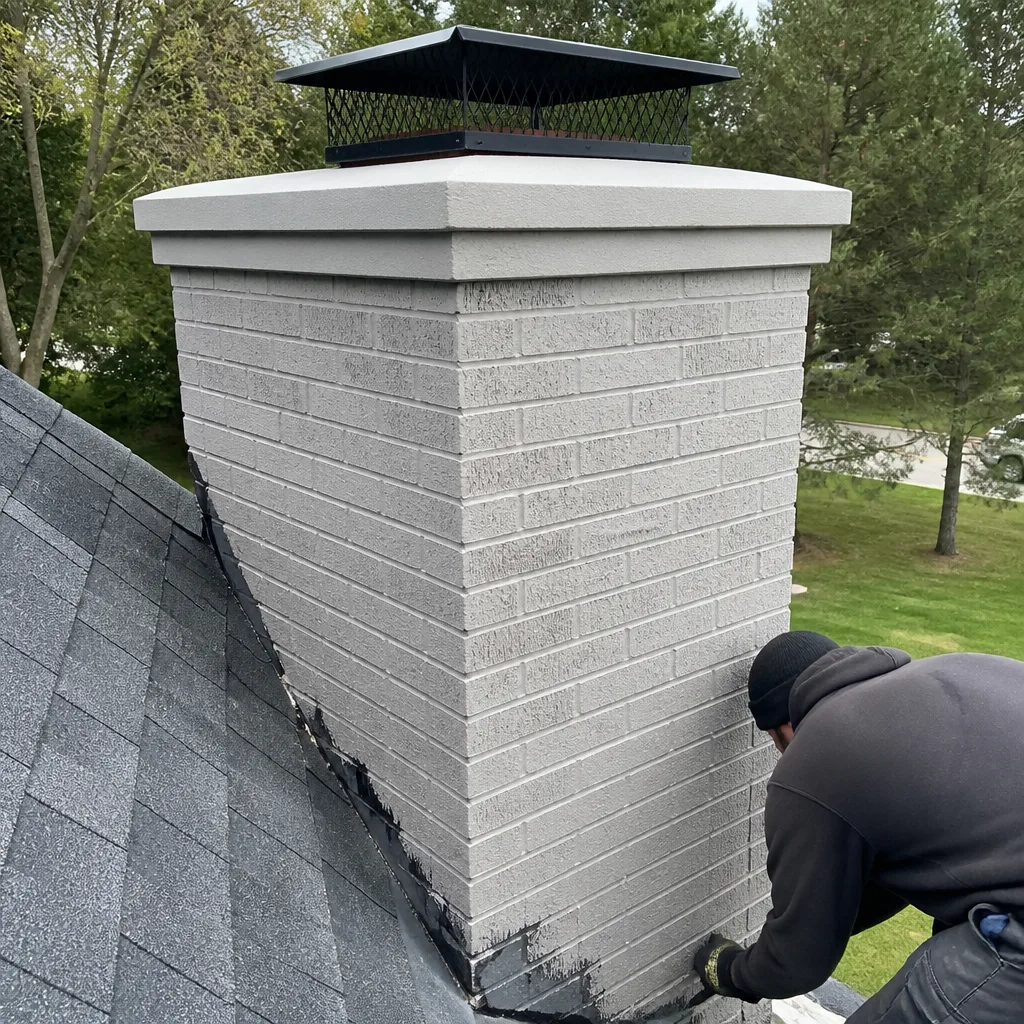 After
After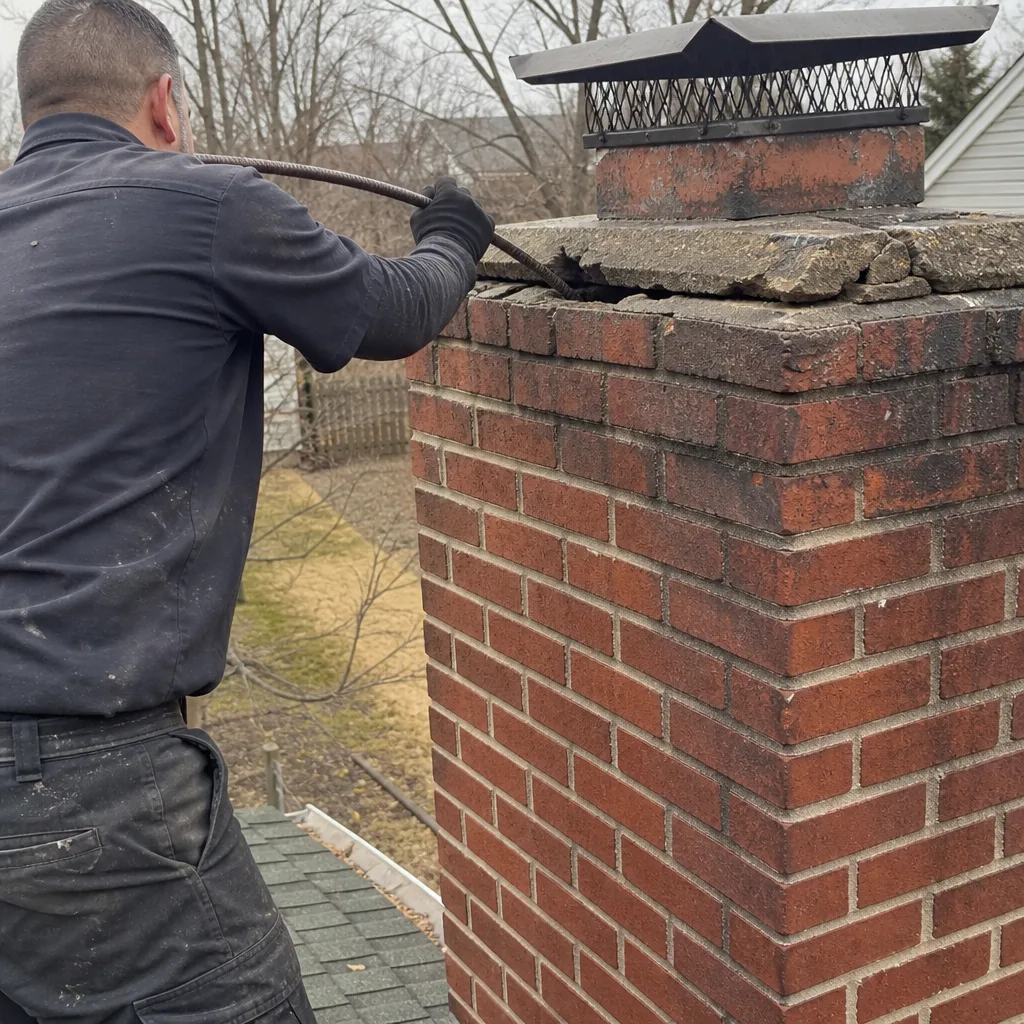 Before
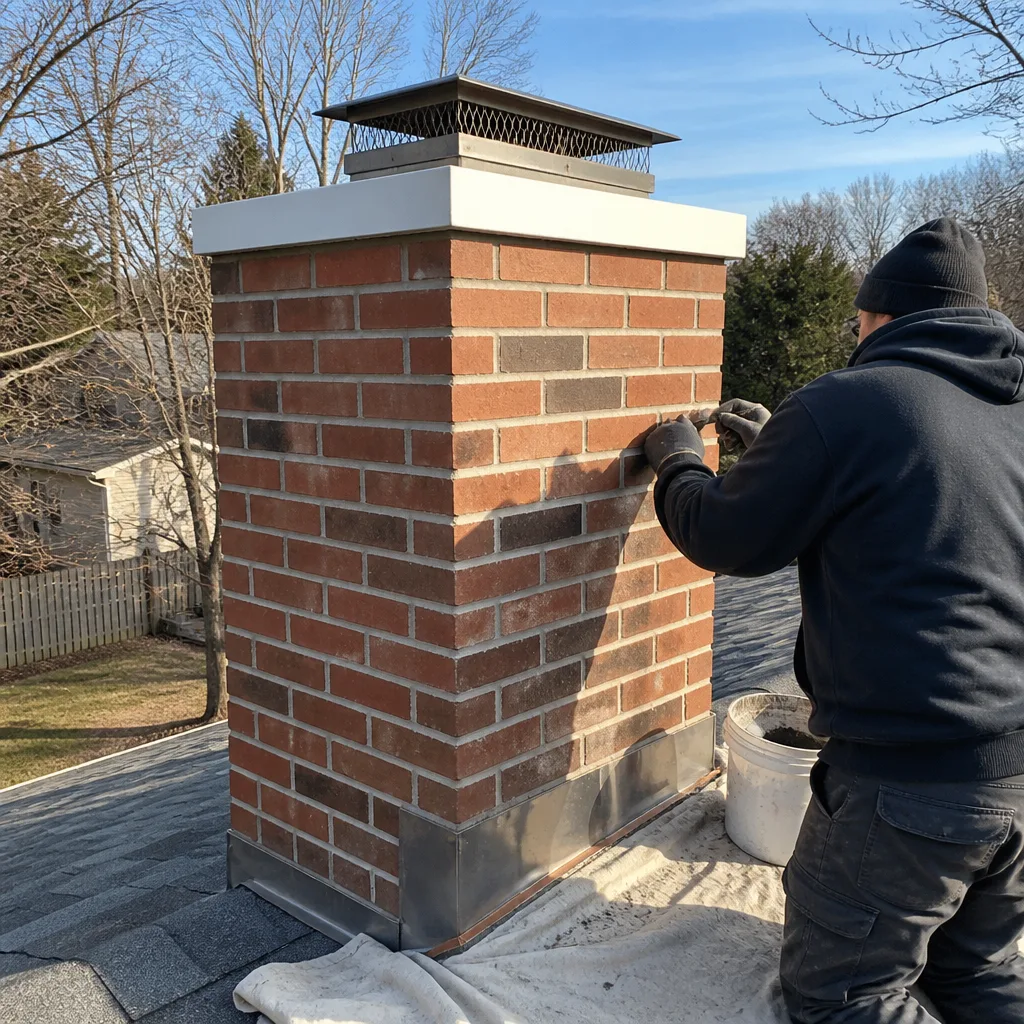 After
AfterChimney Cleaning Warning Signs: A Downers Grove Homeowner’s Reference Guide
A white stain running down the outside of your chimney isn’t a cosmetic problem. It’s called efflorescence, it means water is moving through your masonry, and it’s the earliest external sign of a liner failure that a sweep can miss without a camera. Most chimney warning signs are visible to any homeowner who knows where to look, yet the industry has little incentive to publish that knowledge because an informed homeowner calls sooner, schedules routine maintenance, and doesn’t need an emergency visit. This guide names the signs, their exact locations, and what each one typically indicates before a technician confirms it, complementing our Complete Guide to Chimney Cleaning in Downers Grove. Whether you live in a 1920s bungalow near Main Street or a newer build in Fairview Station, the same physics apply to every flue in Downers Grove.
Quick Answer
The most critical chimney warning signs are: white efflorescence stains on exterior brick (water intrusion), smoke rolling into the room during normal operation (draft failure or blockage), a persistent creosote odor in summer (dangerous buildup), and visible cracks in the firebox floor or back wall (structural breach). Any of these four signs means the system needs professional evaluation before the next fire; see our DIY vs Professional Chimney Cleaning guide to decide your next step. In Downers Grove, where freeze-thaw cycles accelerate masonry damage and many homes built between 1960 and 1990 have unlined or clay-tile-lined chimneys, catching these signs early typically saves $800-$2,400 compared to waiting for visible failure.
Table of Contents
- Exterior Warning Signs: What Your Chimney Shows the Neighborhood
- Interior Firebox Signs: Damage You Can See from Your Living Room
- Odor Signatures: What Your Nose Detects Before Your Eyes Do
- Performance Problems: When the Fire Doesn’t Behave Like It Used To
- The Triage Matrix: Same-Week Action vs. Next-Season Scheduling
- Downers Grove-Specific Risks: Climate, Age, and Code Context
- Common Mistakes to Avoid
- When to Call a Professional
- Frequently Asked Questions
- The Bottom Line
BeforeAfterExterior Warning Signs: What Your Chimney Shows the Neighborhood
Your chimney’s exterior is a diagnostic surface. What looks like weathering or dirt to most homeowners is often a precise indicator of internal conditions. We’ve documented these patterns across thousands of inspections in DuPage County, and the progression is consistent.
Efflorescence: The White Stain That Means Water Is Moving Through Brick
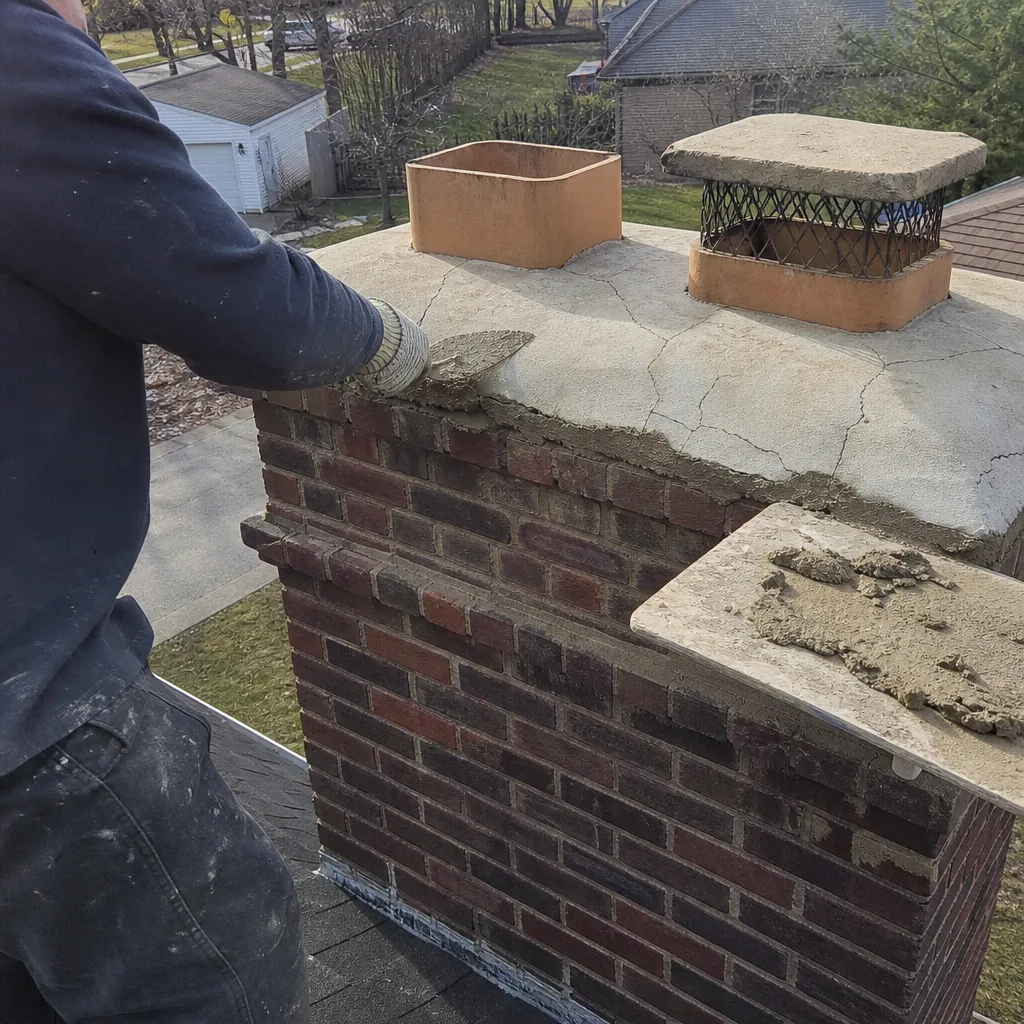
Efflorescence appears as a white, powdery deposit running vertically down brick faces, most commonly on the chimney’s south or west exposure where sun drives evaporation. It’s not paint residue or bird droppings. It’s soluble salts carried by water moving through porous masonry. When you see it, water has found a path from the exterior into the flue system or from a compromised crown down through the brick courses.
In Downers Grove, we see efflorescence peak in March and April after freeze-thaw cycles have opened hairline cracks in mortar joints. The salt deposit itself is harmless, but the water movement behind it is not. Persistent efflorescence on a chimney in Highland Hills or near Lyman Woods almost always correlates with a cracked crown or deteriorated wash at the chimney top. Left unaddressed, that water reaches the flue liner, and in homes with original clay tile liners installed before 1990, the thermal shock of water hitting hot tile causes vertical fractures that a basic flashlight inspection will miss.
What to check: Stand at your property line and scan the chimney face with binoculars. Efflorescence typically begins 2-4 courses below the crown and runs in a tapering streak. If the streak reaches the roofline, water has been moving for multiple seasons.
Mortar Joint Gaps and Spalling: When Bricks Start Shedding Their Faces
Spalling is the flaking or crumbling of brick faces, and it starts at mortar joints. From ground level, look for:
- Recessed mortar joints more than ¼ inch deep from the brick face
- Individual bricks with rounded or pitted surfaces, especially on the top third of the chimney
- Granular debris at the chimney base that resembles coarse sand
Spalling in Downers Grove accelerates after winters with heavy freeze-thaw cycling, which describes most recent winters. The damage pattern differs by neighborhood: homes in older sections near downtown, built with softer Chicago common brick, show spalling earlier than those built with harder face brick in the 1980s and 1990s. Either way, spalling exposes the interior of the brick to more water, and the cycle accelerates. A chimney with active spalling needs crown repair or rebuild plus a camera inspection of the liner, because the same water causing exterior damage is almost certainly inside the flue.
Rusted or Missing Cap: The Entry Point for Everything That Doesn’t Belong
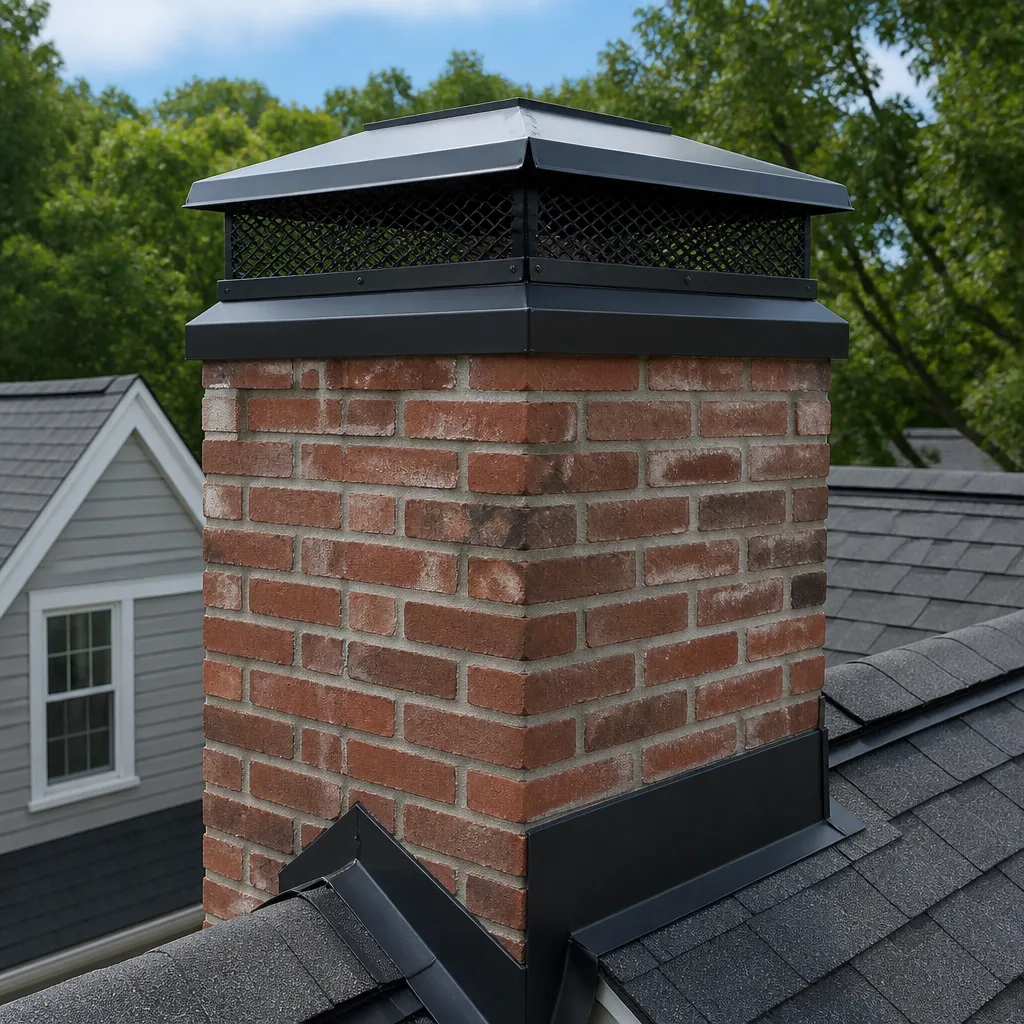
The chimney cap sits atop the flue tile or liner termination. A proper cap is galvanized steel, stainless steel, or copper with a mesh skirt that allows exhaust to exit while blocking rain, animals, and debris. We find missing or rusted caps on roughly 30 percent of Downers Grove homes built before 2000.
Rust streaks running down from the cap indicate the metal is failing. A missing cap means the flue is open to squirrels, raccoons, starlings, and direct rainfall. In our experience, a Downers Grove chimney without a cap accumulates enough water in a typical spring to saturate a clay liner through one freeze-thaw cycle. The repair is straightforward: a stainless or copper cap from Olympia Chimney or Famco, properly sized and secured, installed during a routine sweep visit.
Flashing Separation: Roof Water That Mimics Chimney Problems
Chimney flashing is the metal interface where the chimney passes through the roof plane. When step flashing or counterflashing separates, water enters the attic and runs down the chimney’s exterior, often appearing as interior ceiling stains that homeowners mistake for chimney leaks. The diagnostic clue: ceiling stains that appear on the ceiling plane away from the chimney stack, or water marks on the chimney’s interior face in the attic.
Downers Grove sees significant flashing failure after high-wind events, which are increasingly common in spring storm patterns. The repair is roofing work, not chimney work, though a qualified sweep should distinguish flashing failure from crown or wash failure before you hire a roofer or contractor.
Interior Firebox Signs: Damage You Can See from Your Living Room
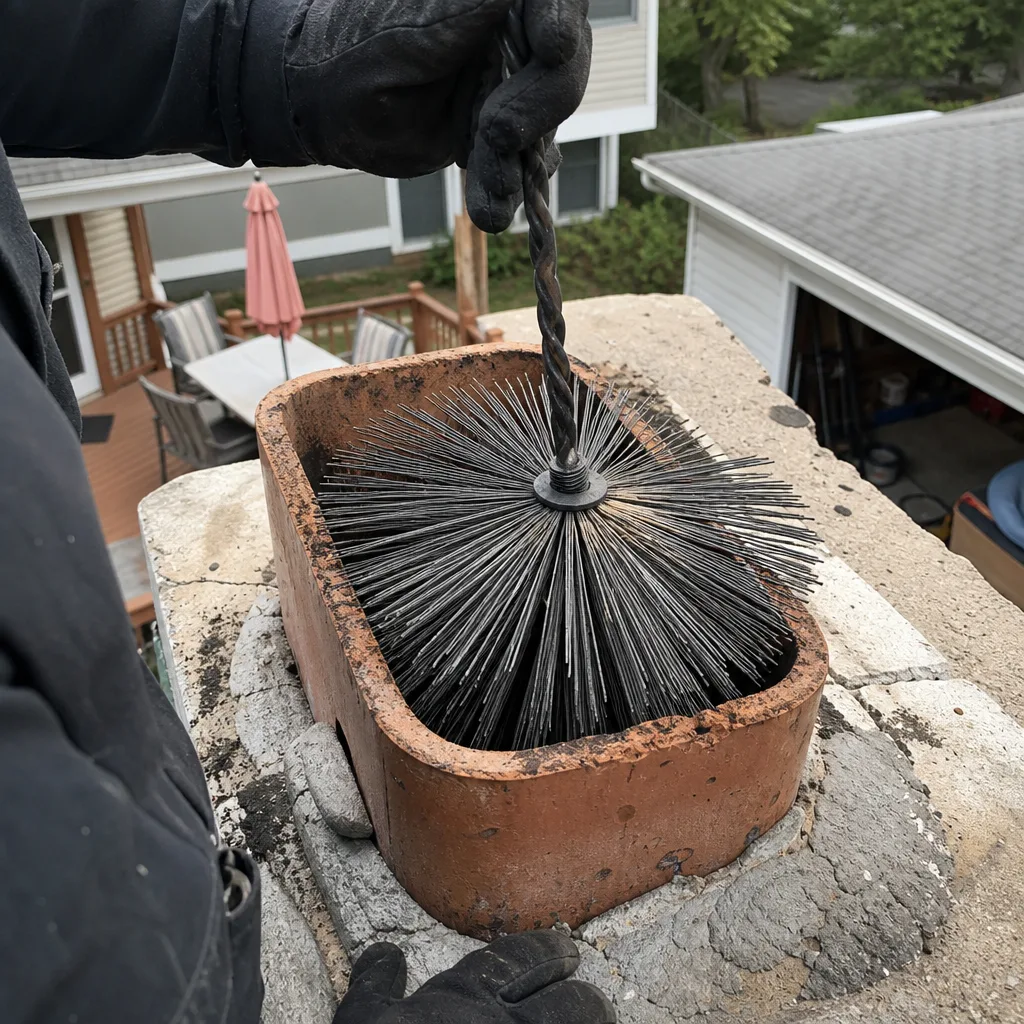
The firebox is the visible, accessible portion of your fireplace system, and it’s where the most dangerous conditions often announce themselves first. These signs require no tools to detect, only observation during and after use.
Smoke Rollout Into the Room
Smoke that exits the firebox into the living space during normal operation, with the damper fully open and no obvious downdraft from an open window, indicates one of several problems: flue blockage (bird nest, creosote buildup, collapsed liner), negative pressure in the house exceeding the chimney’s draft capacity, or a firebox/smoke chamber mismatch common in factory-built fireplaces installed in the 1970s and 1980s.
In Downers Grove, we see smoke rollout most often in homes with finished basements where the fireplace is on the main level and the basement is tightly sealed with modern windows and doors. The house becomes negatively pressurized, and the fireplace becomes the path of least resistance for makeup air. The fix may be as simple as cracking a basement window during fire use, or it may require a chimney fan or pressure-balancing solution. But first, a camera inspection rules out blockage.
Visible Cracks in Firebox Floor or Back Wall
The firebox floor and back wall are refractory panels (in prefabricated units) or firebrick with refractory mortar (in masonry units). Cracks in these surfaces are not normal aging. A crack in the firebox floor allows embers and hot ash to contact the combustible framing beneath, and a crack in the back wall can allow flame impingement on the chimney’s rear wall.
Inspect your firebox after the unit has cooled completely. Look for:
- Hairline cracks in refractory panels: Replace the panel. These are factory-specified components, and we source replacements through Copperfield and DuraFlex to ensure proper fit and rating.
- Missing or deteriorated mortar between firebricks: This is tuckpointing work, but only with refractory mortar rated to 2,000°F. Standard masonry mortar will fail in the first heating cycle.
- Bulging or displaced firebricks: Indicates heat damage to the supporting structure behind. Requires full firebox evaluation.
Never operate a fireplace with a cracked firebox floor. The risk of framing ignition is real, and the failure mode is a house fire that starts hours after the fire appears extinguished.
Damper That Won’t Seal Fully
The damper is the metal plate above the firebox that closes to prevent heat loss when the fireplace isn’t in use. A damper that won’t close completely, or that has visible gaps when closed, costs you conditioned air year-round and indicates corrosion, warping, or debris accumulation on the damper seat.
Check yours: With the fireplace cold and a flashlight aimed up, look for daylight around the damper perimeter. A properly seated damper shows no light. Gaps of ⅛ inch or more mean the damper is not sealing. In Downers Grove, we find damper corrosion accelerated by humid summer air entering through a missing or rusted cap, condensing on the cool metal, and initiating rust. The repair is typically a stainless steel top-sealing damper, which seals at the chimney top rather than the throat, eliminating the corrosion path and improving efficiency.
Black Oily Staining Above the Damper Plate
Look up past the damper with a flashlight. Black, oily, or tar-like staining on the smoke chamber walls above the damper indicates Stage 2 or Stage 3 creosote buildup. Stage 1 creosote is powdery and light-colored, easily removed by standard brushing. Stage 2 is shiny and flakey. Stage 3 is glossy, tar-like, and requires chemical treatment or rotary removal.
This staining is a warning sign that your burning habits or fuel are producing excessive creosote, or that the flue is undersized for the appliance. In either case, the next step is a professional sweep with camera inspection to measure buildup thickness and check for liner damage beneath the deposit.
Odor Signatures: What Your Nose Detects Before Your Eyes Do
Chimney odors are diagnostic. The specific smell indicates the specific problem, and homeowners who learn these signatures can identify issues months before visible damage appears.
Creosote Odor in Summer: Humidity Activating Builtup Deposits
A sharp, smoky, somewhat sweet odor from the fireplace in warm, humid weather means Stage 2 or Stage 3 creosote is present in quantity. The humidity of a Downers Grove July activates the organic compounds in the deposit, releasing the smell into the house through the damper or any gaps in the firebox.
This odor is not merely unpleasant. It indicates a significant fuel load for chimney fires. Stage 3 creosote ignites at approximately 451°F, a temperature reached in normal fireplace operation. The odor in summer is your warning that a fall fire could trigger a contained or uncontrolled chimney fire. The solution is removal, not deodorizing. Chemical treatments or sprays mask the symptom; rotary cleaning or chemical creosote modifiers followed by mechanical removal address the cause.
Sulfur or Rotten-Egg Smell: Gas Appliance Flue Problem
A sulfur or rotten-egg odor from a gas fireplace or from the chimney serving a gas furnace or water heater indicates incomplete combustion or a blocked flue. Natural gas is odorized with mercaptan for leak detection, but a sulfur smell from the chimney itself, not from the appliance area, suggests exhaust is not venting properly.
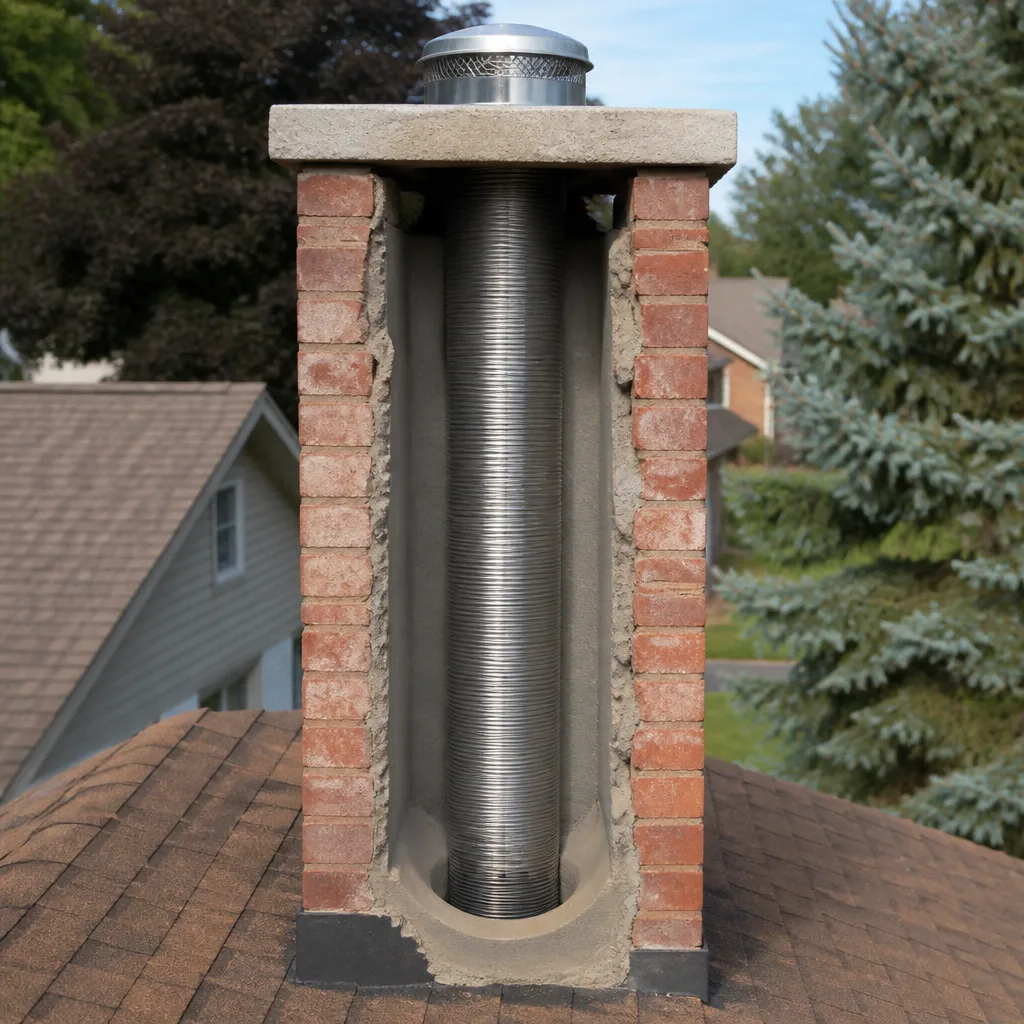
This is a same-day, stop-using-the-appliance situation. Incomplete combustion produces carbon monoxide, and a blocked gas flue can backdraft CO into the living space. In Downers Grove, we see this most often in homes where a gas conversion was performed without proper liner sizing, or where a clay liner has deteriorated and partially collapsed, restricting the smaller volume of gas exhaust. The repair is liner replacement with a properly sized DuraFlex or Olympia Chimney stainless steel liner, not a larger appliance.
Musty, Wet Smell: Water in the Chase or Liner Breach
A musty, damp, or mildew-like odor from the fireplace area indicates water in the system. The source may be crown failure, flashing separation, or a breach in the chase cover of a factory-built chimney. In masonry chimneys, water in the flue saturates the liner surround and can wick into adjacent framing.
Downers Grove’s clay soils and seasonal water table fluctuation mean that homes in lower areas, particularly near the East Branch of the DuPage River or in the Lyman Woods watershed, experience more moisture pressure on foundations and chimneys. A musty chimney smell in these areas deserves prompt evaluation, because the same water causing odor is often causing unseen liner deterioration.
Performance Problems: When the Fire Doesn’t Behave Like It Used To
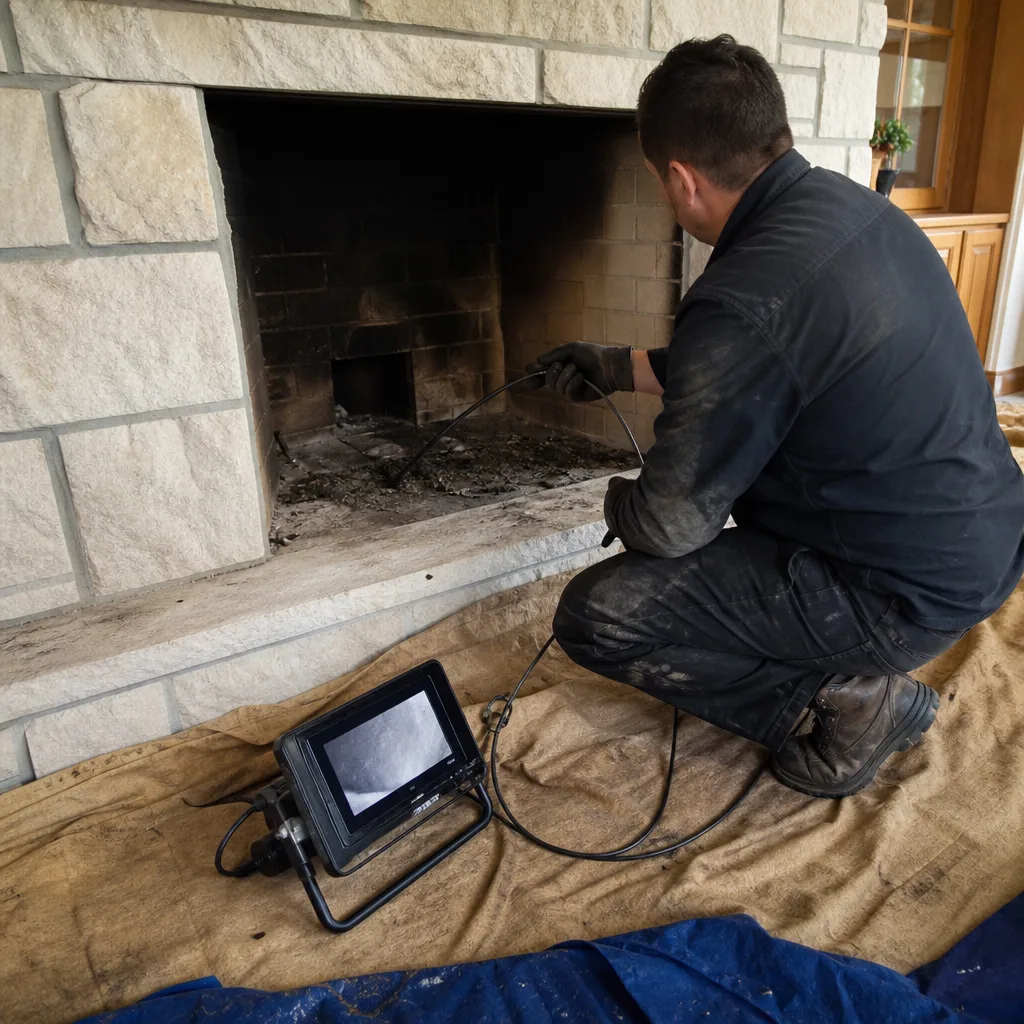
Performance changes are subtle warning signs that homeowners often normalize. “The fireplace has always been a little smoky” or “It takes a while to get going now” are phrases we hear before discovering significant blockages or liner failures.
Fires That Are Hard to Start Despite Good Wood and Technique
Proper firewood is split, seasoned hardwood (oak, hickory, maple) with moisture content below 20 percent, burned with the damper fully open and adequate air supply to the firebox. If your technique and fuel are correct but the fire struggles to establish draft, the flue may be partially blocked, the liner may be damaged (creating turbulence that disrupts laminar flow), or the chimney may be too cold to establish adequate draft.
In Downers Grove, we see cold-flue syndrome most often in exterior chimneys on north-facing walls, particularly in homes built in the 1960s and 1970s with minimal chimney insulation. The flue temperature never reaches the 100-150°F threshold needed to establish consistent upward draft, and smoke lingers in the firebox. Solutions include a smaller, hotter initial fire; a top-sealing damper that keeps the flue warmer between fires; or in persistent cases, a stainless liner with improved insulation value.
Excessive Smoke Compared to Prior Seasons
A fireplace that smoked minimally last season but produces visible smoke this season, with no change in fuel or technique, has a developing problem. The most common causes:
- Partial liner collapse reducing flue area
- Creosote buildup narrowing the flue
- Animal nest or debris accumulation
- Structural shift in the chimney opening a gap in the smoke chamber
Any of these conditions worsens with use. A fireplace that smokes more than it used to needs inspection before the next fire, not after the season ends.
Smoke That Exits the Firebox Before the Damper Is Fully Open
This specific pattern, smoke visible in the firebox while you’re still opening the damper, indicates a strong downdraft or a flue that has reversed pressure. It happens most often on windy days or in homes with powerful exhaust fans (range hoods, bathroom fans, dryer vents) creating negative pressure. But if it happens consistently, regardless of weather or house fan use, the flue may be partially blocked near the top, creating a pressure zone that forces smoke downward until the damper is fully open and the fire’s heat overcomes the resistance.
The Triage Matrix: Same-Week Action vs. Next-Season Scheduling
Not every warning sign demands immediate emergency response, and not every finding can wait for routine scheduling. This matrix is based on our inspection data from Downers Grove homes and the failure modes we’ve documented since 2009.
Stop Using the Fireplace Immediately. Call This Week.
- Smoke rollout into the room with the damper fully open and no obvious cause
- Visible cracks in the firebox floor or back wall
- Sulfur or rotten-egg smell from any gas appliance flue
- Black, tar-like drips from the damper area or smoke chamber
- Visible flame or glowing material in the chimney exterior after the fire appears out (indicates contained chimney fire)
Schedule Within 30 Days. Use Caution.
- Efflorescence on exterior brick, especially if new or worsening
- Active spalling with granular debris at the chimney base
- Damper that won’t seal, with visible daylight gaps
- Creosote odor in summer, especially if strong or persistent
- Fires harder to start than in prior seasons, with no technique change
Schedule at Next Routine Sweep (Annual or Biennial, Depending on Use).
- Minor mortar joint recession without active spalling
- Surface rust on cap without perforation
- Slight smoke increase on very windy days only
- Musty smell that resolves when dehumidifier runs
The boundary between “caution” and “immediate” is judgment, and we’re conservative. If you’re uncertain which category applies, treat it as immediate. A camera inspection takes 45 minutes and produces definitive documentation; find more guides & resources on maintaining your chimney safely. Guessing produces uncertainty, and uncertainty with fire is not a reasonable risk.
Downers Grove-Specific Risks: Climate, Age, and Code Context
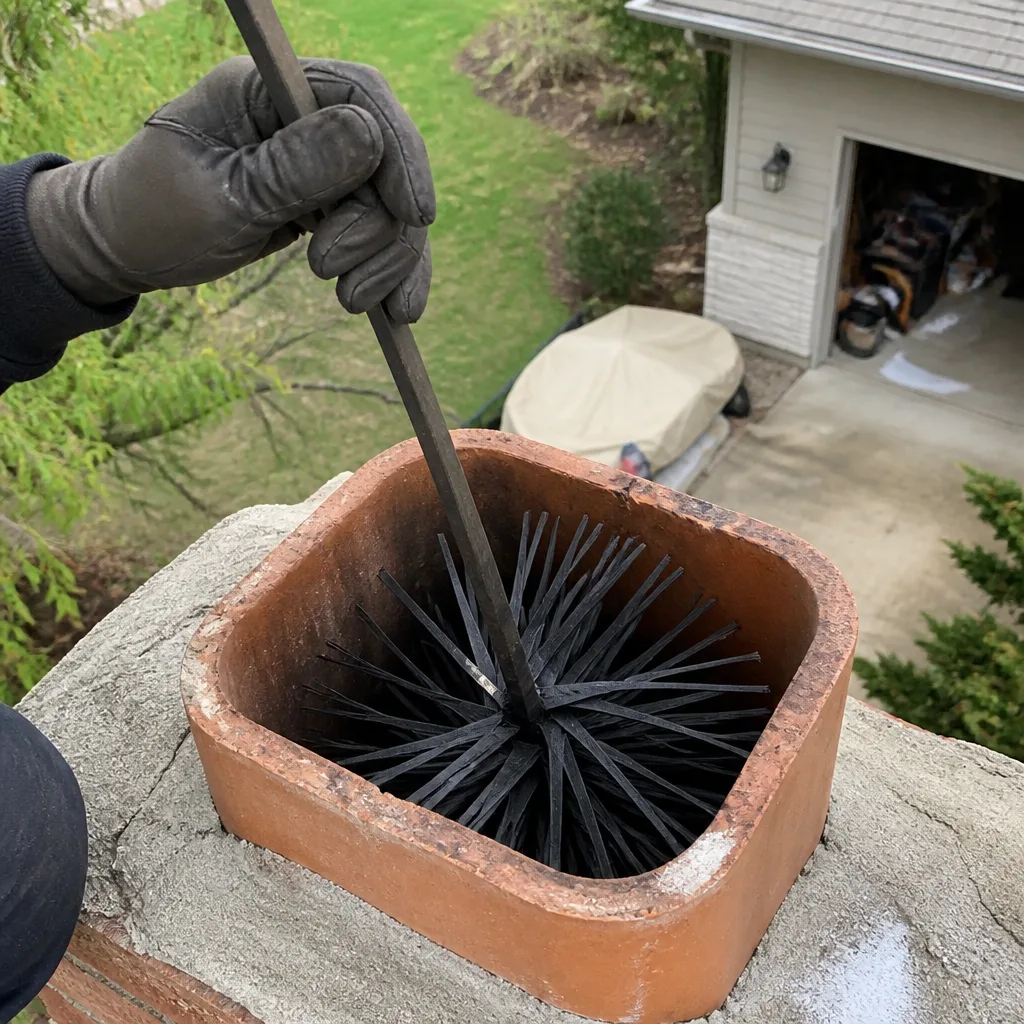
Downers Grove presents a specific risk profile that shapes what we find and how we prioritize it.
Freeze-thaw cycling: DuPage County averages 30-40 freeze-thaw cycles per winter, with temperature swings of 40°F or more in 24 hours common in February and March. Each cycle opens hairline cracks in mortar and crown wash, admitting water that expands on the next freeze. Chimneys with existing crown cracks show accelerated deterioration after winters with high cycle counts. The winter of 2022-2023 was particularly severe, and we’re still seeing the consequences in 2024 and 2025 inspections.
Housing stock age: Downers Grove’s building boom periods were 1920s-1930s, 1950s-1960s, and 1980s-1990s. Each era has characteristic chimney problems:
- 1920s-1930s: Unlined brick flues, often with original mortar that’s now sand. These need liner installation and often partial rebuild.
- 1950s-1960s: Clay tile liners, frequently 8×8 or 8×12, often too large for modern appliances. Oversized flues cause creosote condensation and poor draft.
- 1980s-1990s: Factory-built metal chimneys, some with recalled components, and masonry chimneys with early prefab fireboxes that lack adequate clearance to combustibles.
Local code and permit context: Downers Grove follows the 2021 International Residential Code with DuPage County amendments. Chimney repairs exceeding $600 require a permit and inspection. Liner replacements require a permit. We handle permit filing as part of our standard scope, and our documentation package includes permit application support. This matters because unpermitted work can complicate home sales, and Downers Grove’s active real estate market means many of our customers are preparing for listing or purchase verification.
Neighborhood-specific patterns: In older neighborhoods near downtown, we see more unlined chimneys and previous repairs with inappropriate materials (Portland cement crowns, standard mortar in fireboxes). In newer developments like Fairview Station and near 75th Street, we see more factory-built fireplaces with deteriorated chase covers and water-damaged framing. In the Hidden Lake area, higher water tables correlate with more moisture-related liner failure.
Common Mistakes to Avoid
- Assuming a chimney is “fine” because it looks okay from the street. Most critical liner damage is invisible without a camera. We’ve documented collapsed clay liners in chimneys with pristine exterior brick.
- Using the fireplace “just once more” after noticing smoke rollout. Smoke in the room means combustion products are not venting. Those products include carbon monoxide. The next fire could be the one that causes serious exposure.
- Hiring a sweep who doesn’t use a camera. A flashlight look down the flue misses approximately 60 percent of the conditions that matter. NFPA 211 Level 2 inspection requires camera documentation. Anything less is incomplete.
- Accepting “call for pricing” instead of a written quote. The Chimney Cleaning & Sweep in Downers Grove market includes operators who lowball by phone and add charges on site. A written price before work starts, with scope and warranty documented, is the only protection.
- Ignoring summer creosote odor as “just smell.” The odor is the deposit activating. The deposit is fuel. The fuel ignites. The chain is predictable.
- Assuming all sweeps are the same. Illinois does not license chimney sweeps. Anyone can buy brushes and call themselves a sweep. Background-checked technicians, documented training, and a physical business location with a real phone number are minimum vetting criteria.
- Waiting for “burning season” to schedule. In Downers Grove, sweep availability compresses dramatically after Labor Day. Schedule in spring or summer, when we can identify problems and complete repairs before you want to use the fireplace.
When to Call a Professional
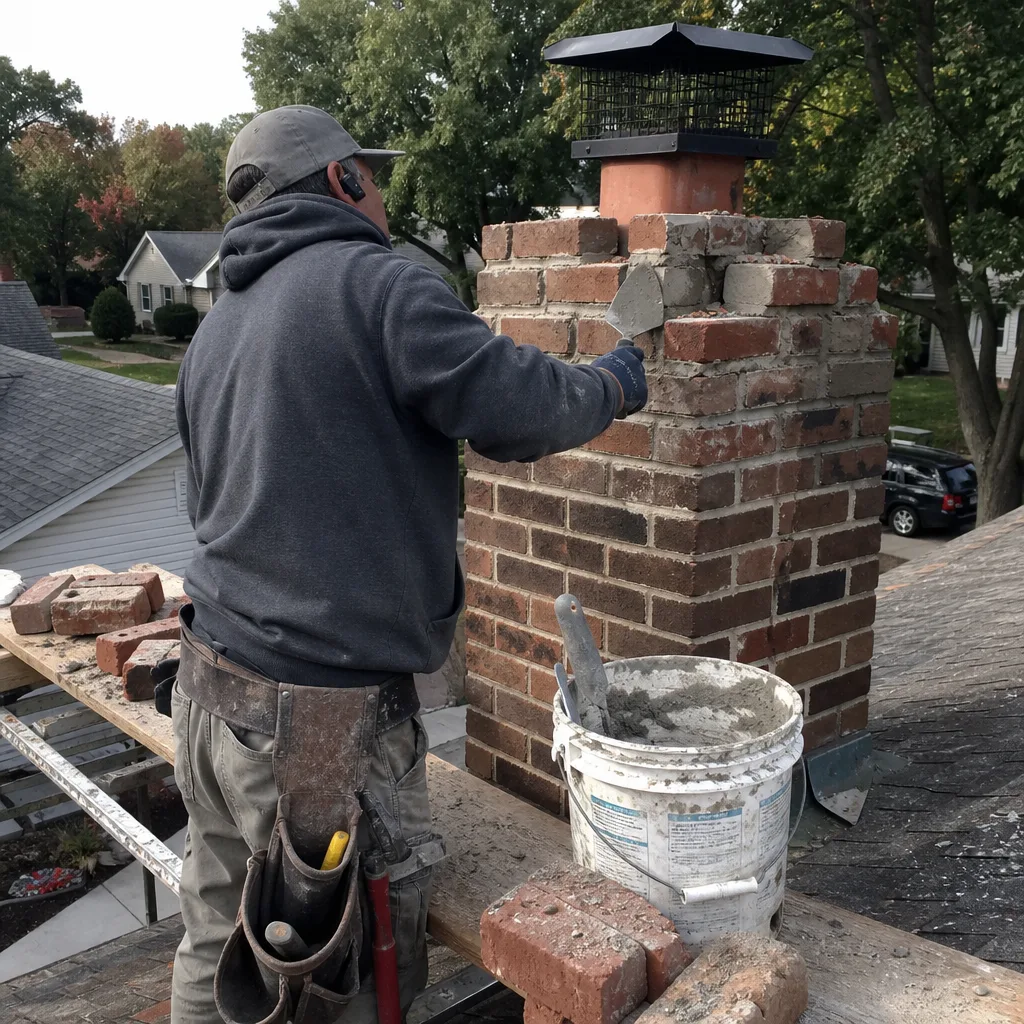
Call a professional when any sign in this guide appears, when you can’t confidently categorize a finding, or when it’s been more than 12 months since your last NFPA 211 Level 2 inspection with camera documentation. The cost of evaluation is modest; the cost of delayed diagnosis is not.
Emberly Chimney Cleaners Downers Grove home offers free estimates in Downers Grove. Every estimate includes a written price, written scope, and written warranty before any work begins, under Clause 1 of the Haven Standard. Our camera-scan inspection and documented photo record, required by Clause 4 of the Haven Standard, produces the evidence you need to make an informed decision. Call (331) 253-4980 to schedule.
Frequently Asked Questions
A Level 2 chimney sweep with camera inspection in Downers Grove typically ranges from $249 to $389, depending on flue configuration, accessibility, and whether chemical treatment for Stage 3 creosote is needed. This includes the documented photo record, written condition report, and written price for any recommended repairs. We do not charge separately for the camera work; it’s included as standard under Clause 4 of the Haven Standard. Call (331) 253-4980 for an exact quote for your specific chimney; estimates are free.
You need a new liner when the existing liner is damaged, improperly sized, or absent, and when that condition creates a safety hazard we can document. We recommend nothing without camera evidence you can see for yourself. A cracked clay tile, a gap between tiles, or a liner with missing sections in a gas venting application are all documented findings that we explain before recommending replacement. In some cases, a damaged liner can be repaired with HeatShield cerfractory foam for partial relining, which costs less than full stainless replacement. The decision is always yours, with evidence, not pressure. Call (331) 253-4980 to schedule a camera inspection.
NFPA 211 recommends annual inspection for all chimney systems, and cleaning when inspection reveals deposits of ⅛ inch or more. For wood-burning fireplaces used as primary heat, that typically means annual sweeping. For occasional decorative use, inspection annually and cleaning every 2-3 years may suffice. Gas appliance flues need annual inspection but rarely need cleaning unless debris enters through a missing cap. The specific interval for your system depends on fuel, usage, and what the camera shows; we document our recommendation in writing after each visit.
The most common consequence is creosote accumulation to levels that support chimney fire, with risk increasing non-linearly as deposits thicken. A contained chimney fire damages liners and nearby framing; an uncontained chimney fire destroys the home. Less dramatically, water intrusion through unmaintained crowns and caps causes liner failure, which allows combustion products including carbon monoxide to leak into wall cavities. In Downers Grove, we’ve documented CO readings in living spaces from deteriorated liners that showed no exterior warning signs. The cost of prevention is predictable; the cost of failure is not.
A Level 1 inspection is a visual examination of readily accessible portions of the chimney exterior and interior, appropriate for chimneys under continued service with no changes to the system. A Level 2 inspection, required at property sale or transfer and recommended when any change or suspected damage exists, includes camera examination of the full flue length, inspection of attics and crawl spaces where the chimney passes, and documentation of all findings. Emberly Chimney Cleaners performs Level 2 inspection as our default on every visit, because a flashlight look misses too much. Clause 4 of the Haven Standard requires the photo record that makes this possible.
You can and should perform the visual checks described in this guide: exterior brick condition, damper operation, firebox cracks, and odor monitoring. What you cannot do is examine the full flue length, evaluate liner condition, or measure creosote thickness with the precision that determines whether cleaning is needed. A homeowner with a flashlight on a pole can see perhaps the top 2 feet of flue; the camera sees all 15, 20, or 30 feet, and documents it. We encourage informed homeowners; we also insist on professional verification for the conditions that matter most.
The Bottom Line
Most chimney failures announce themselves in advance, with specific signs at specific locations, to homeowners who know what to observe. The white stain on brick, the smoke that doesn’t rise, the summer smell of old fires, the crack in the firebox floor: each is a message with a specific meaning and a specific response. This guide exists because we believe informed homeowners make better decisions, schedule maintenance before emergency, and hold their service providers to documented standards. In Downers Grove, where freeze-thaw cycles, varied housing stock, and active real estate create a complex risk environment, that information matters more than in markets with simpler conditions. Chimney Repair in Downers Grove and Fireplace Services in Downers Grove are available when signs indicate need, but the first step is recognition. Watch your chimney. Note what changes. Call when something doesn’t match what you’ve seen before. The camera will confirm what you suspected, and the documentation will give you the basis for whatever comes next.
Written by Corrine Halstead, Owner at Emberly Chimney Cleaners Downers Grove, serving Downers Grove since 2009.