
Last updated September 22, 2026
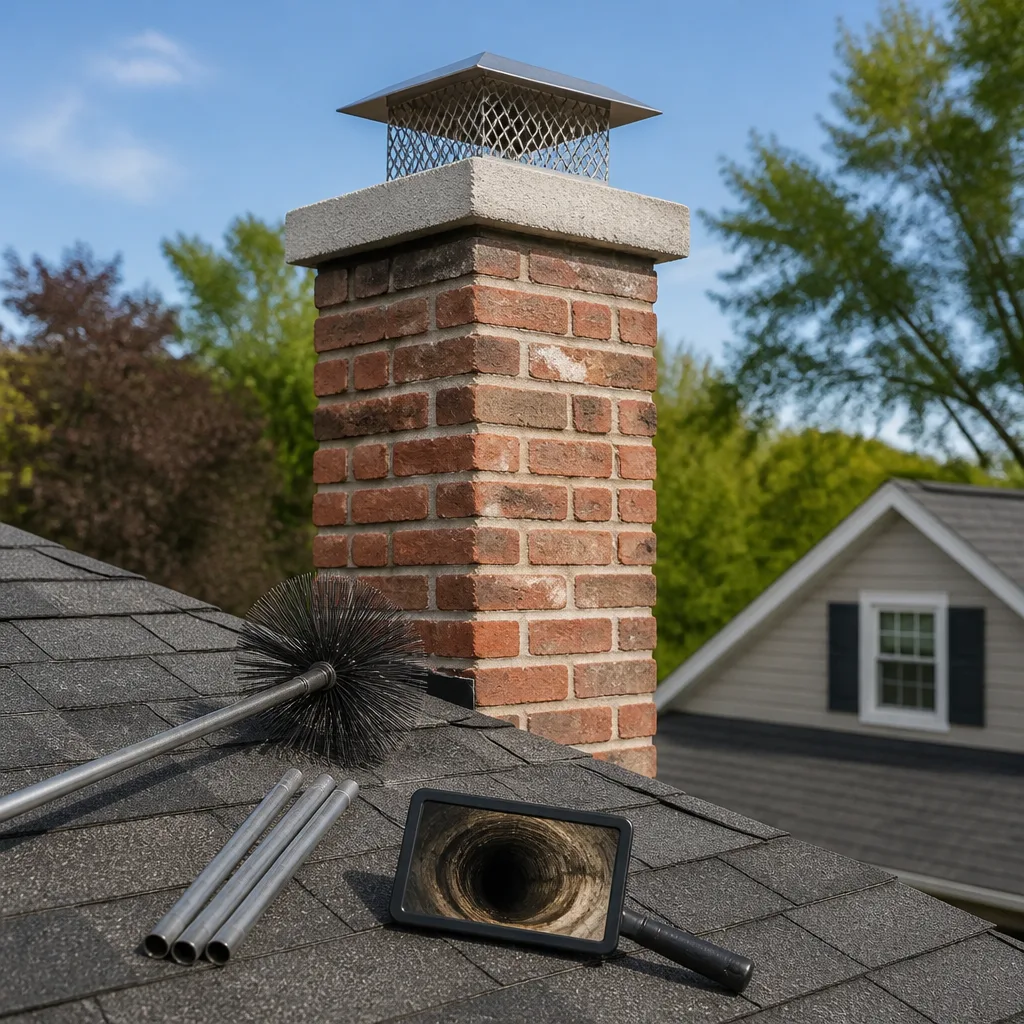
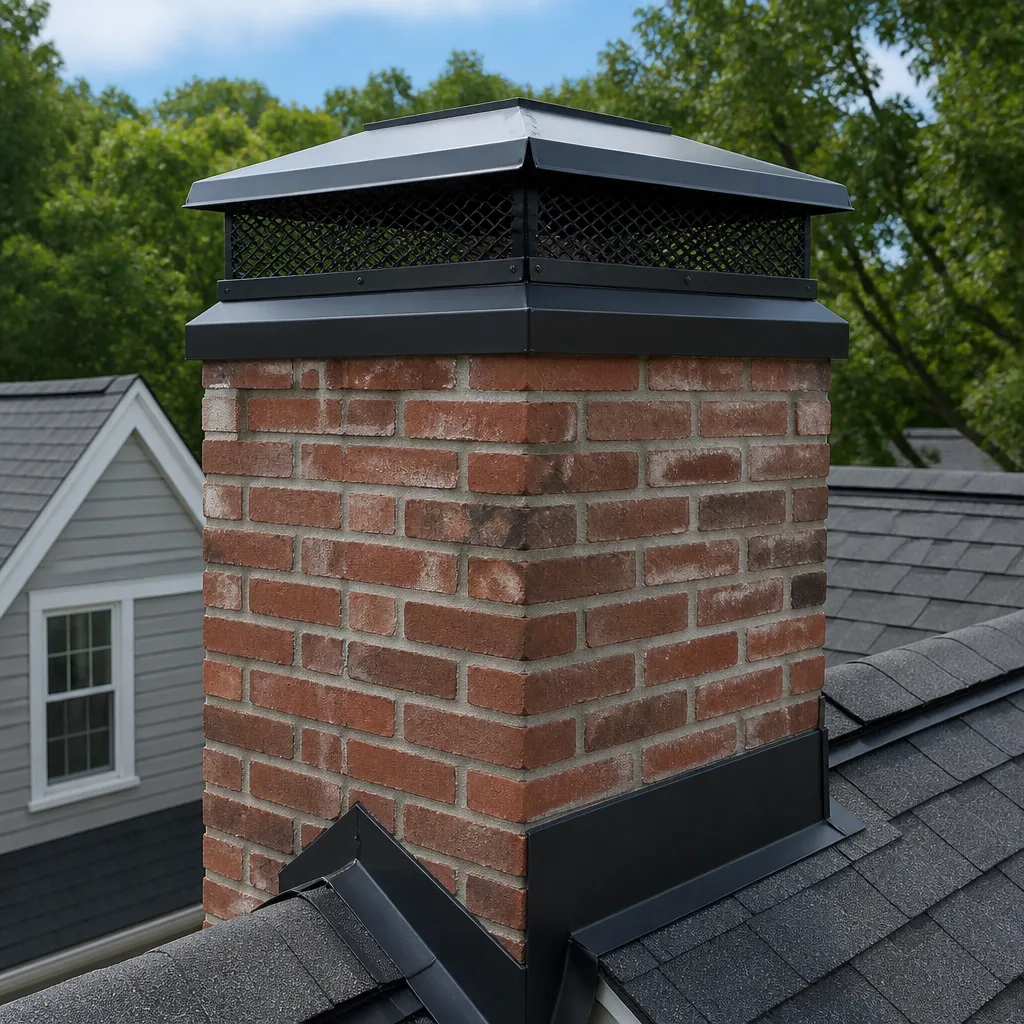
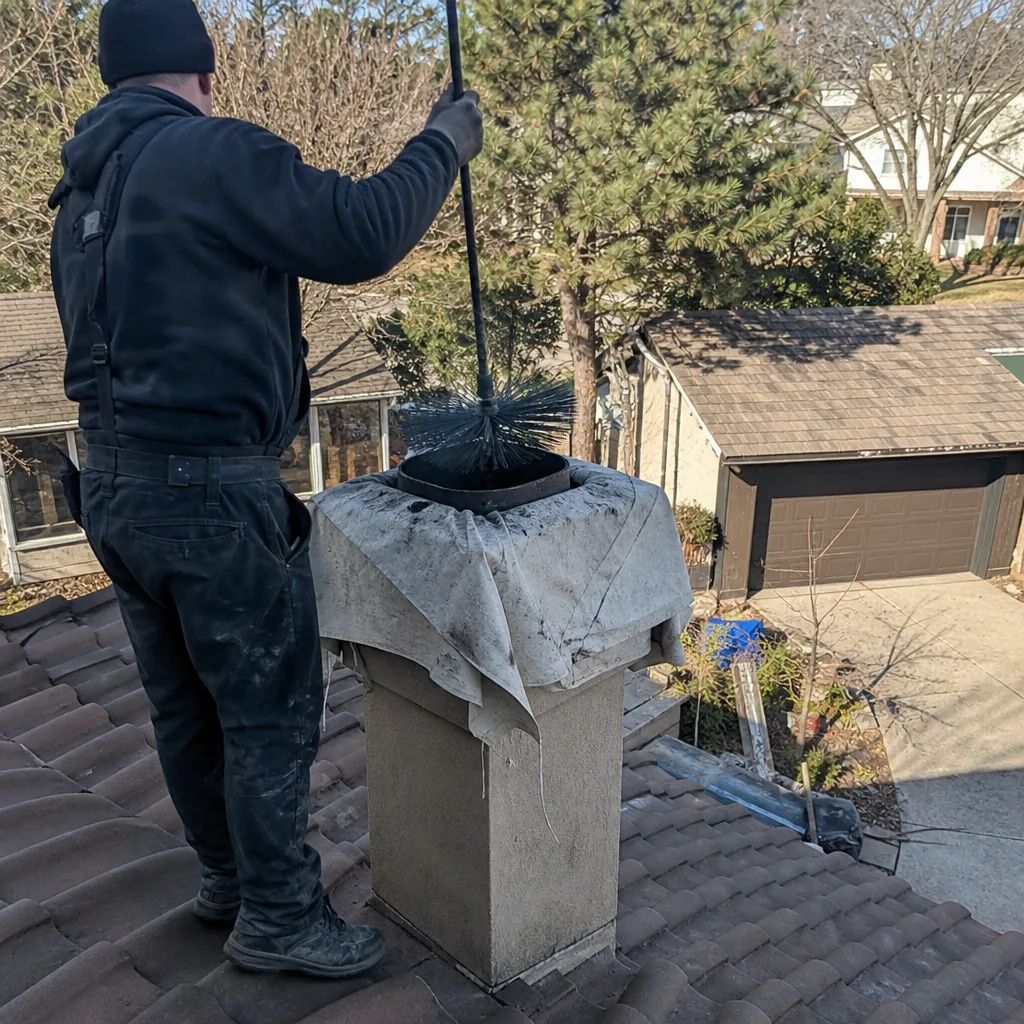
Level 1 sweep and inspection to the NFPA 211 annual standard - flue, crown, cap, and flashing checked and photographed
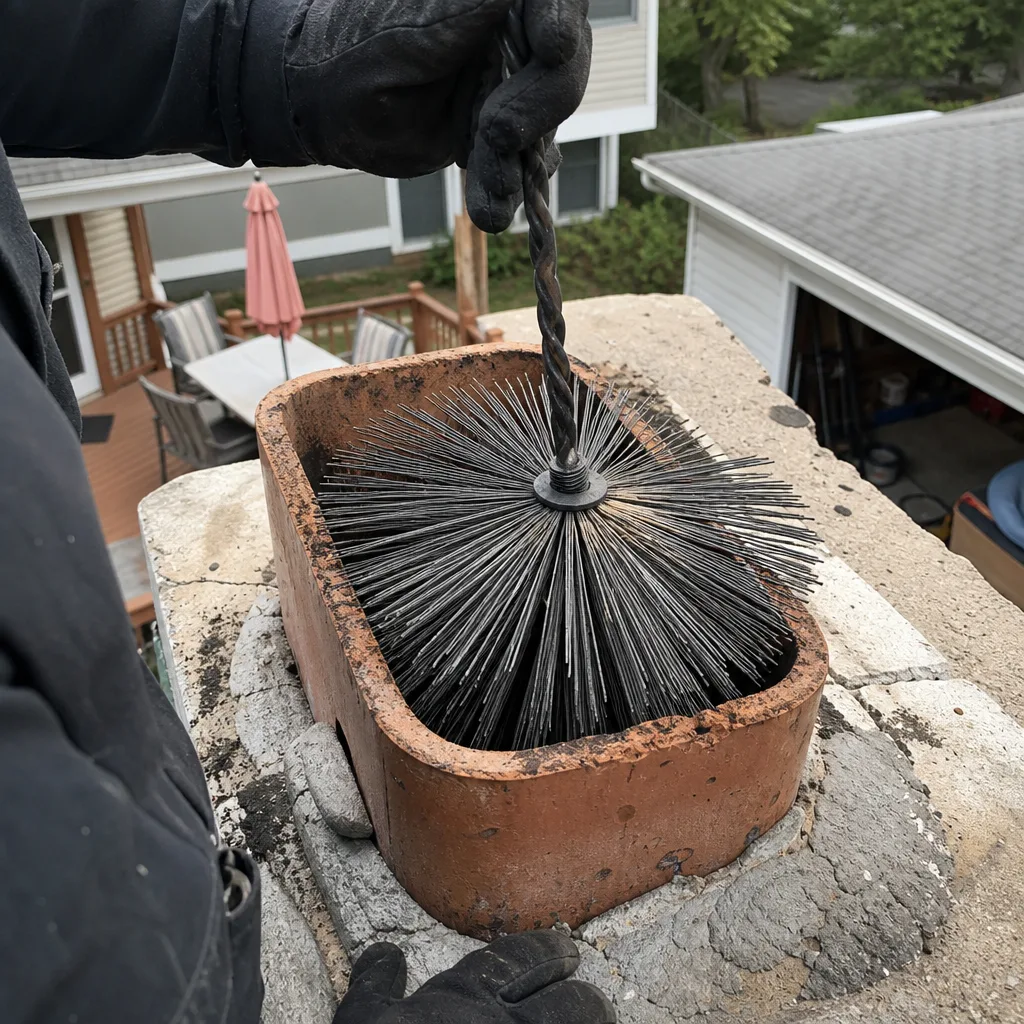
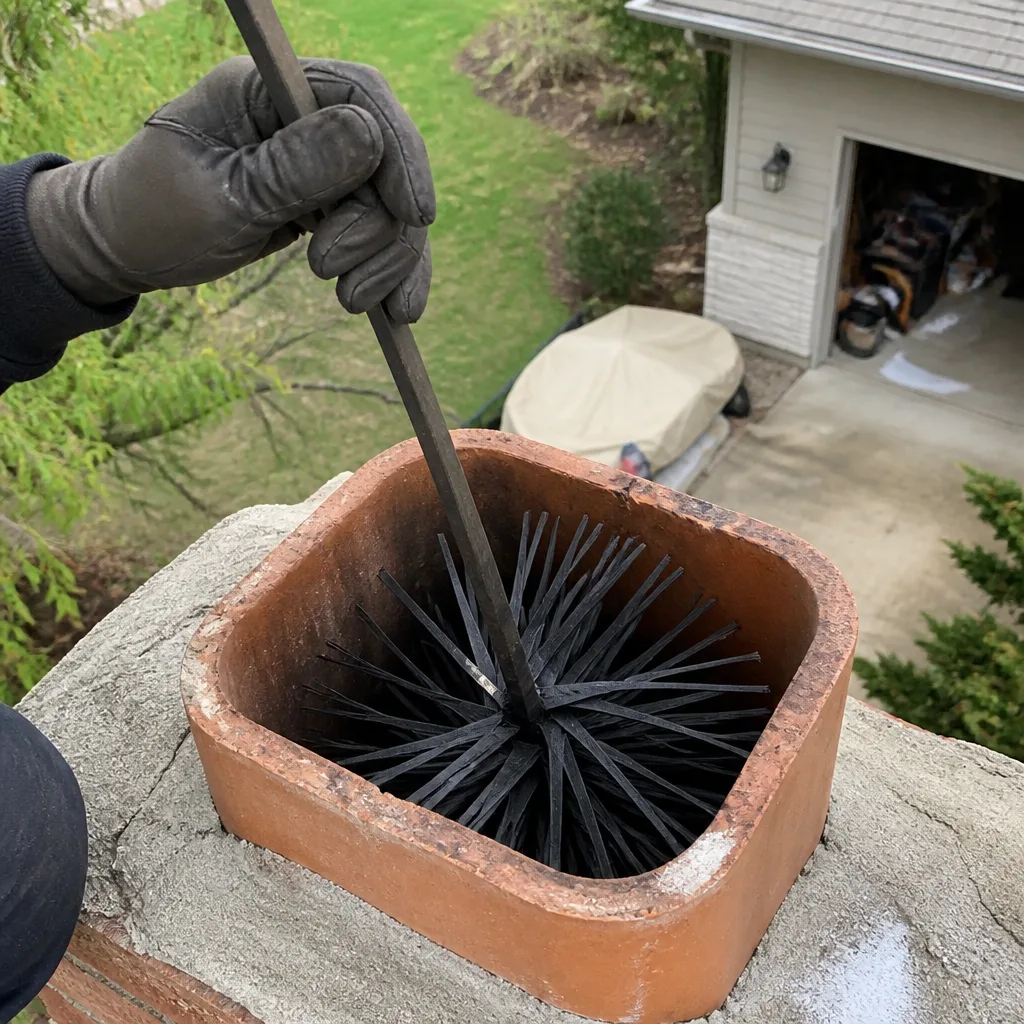
Chimney sweep logs do not sweep chimneys. They loosen some creosote - which then falls where a brush and vacuum still have to collect it.
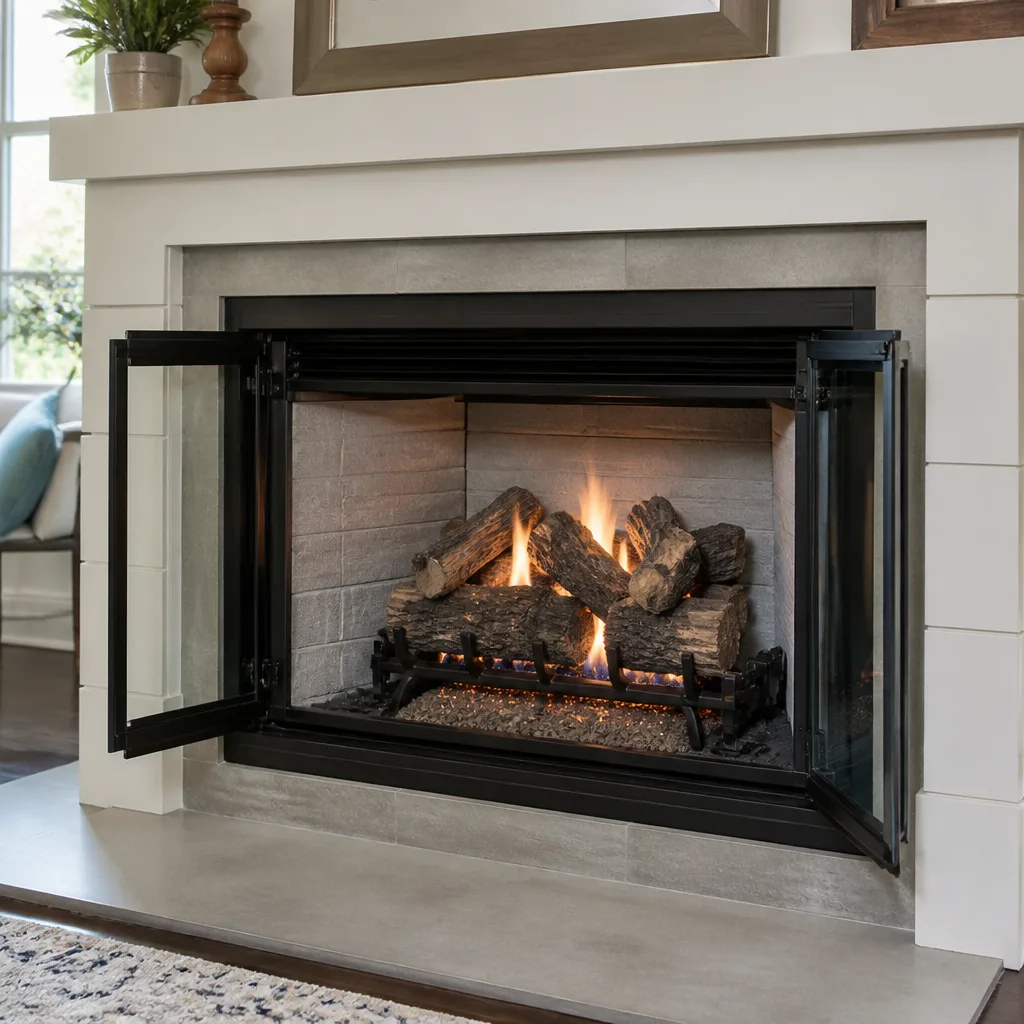
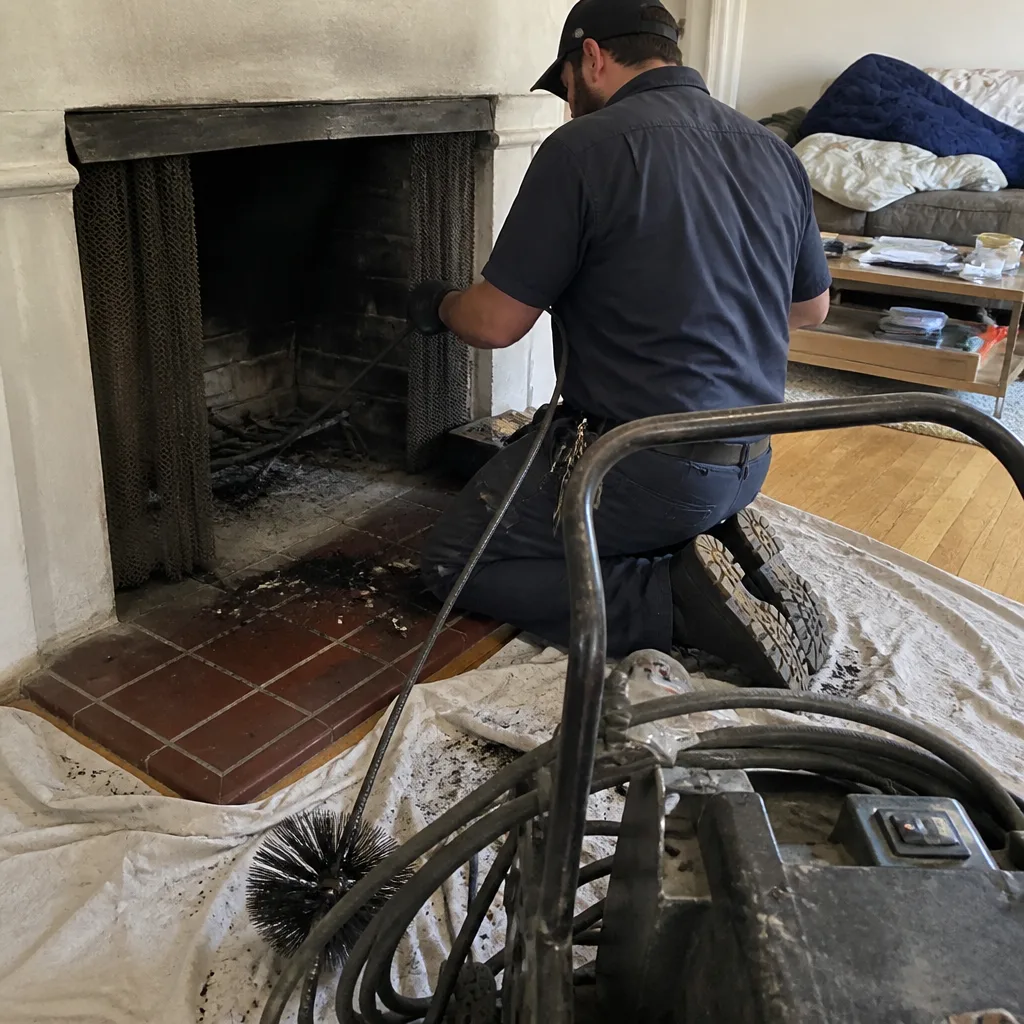 Before
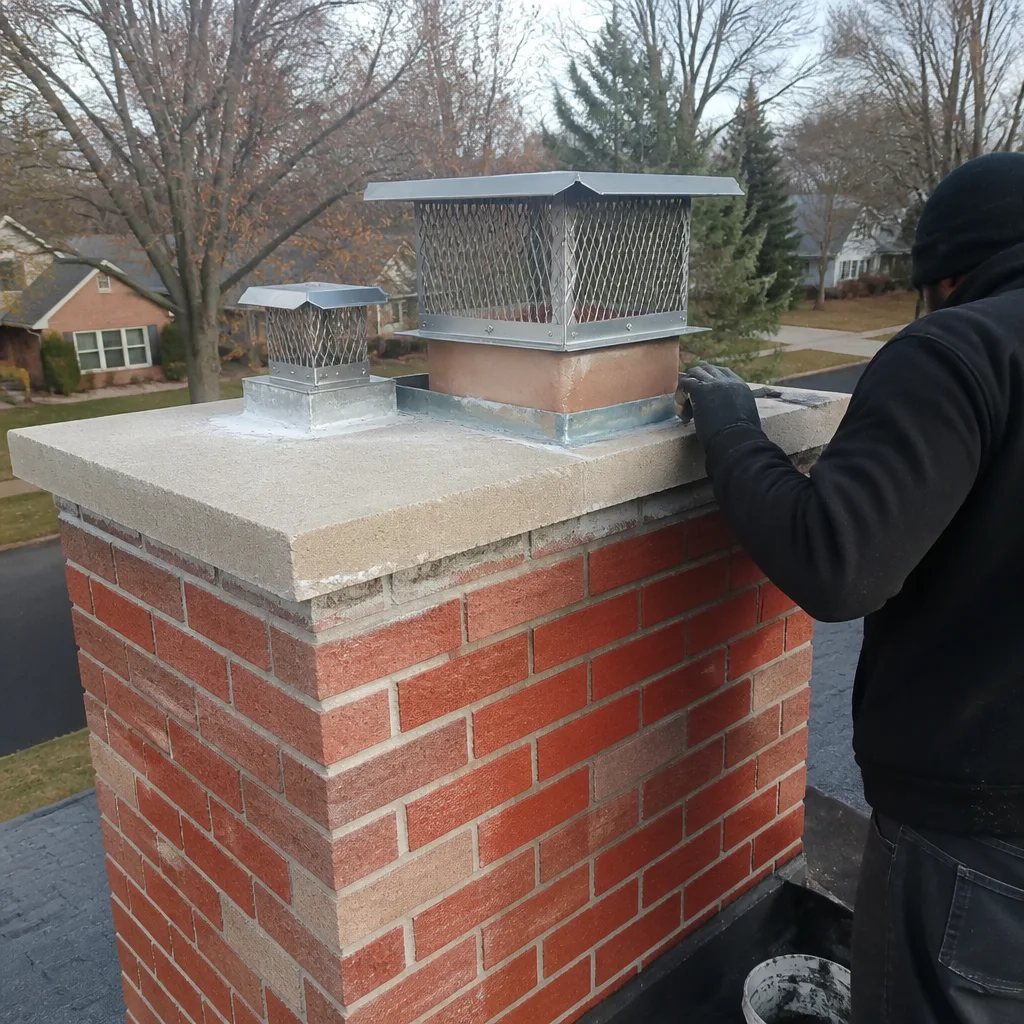 After
After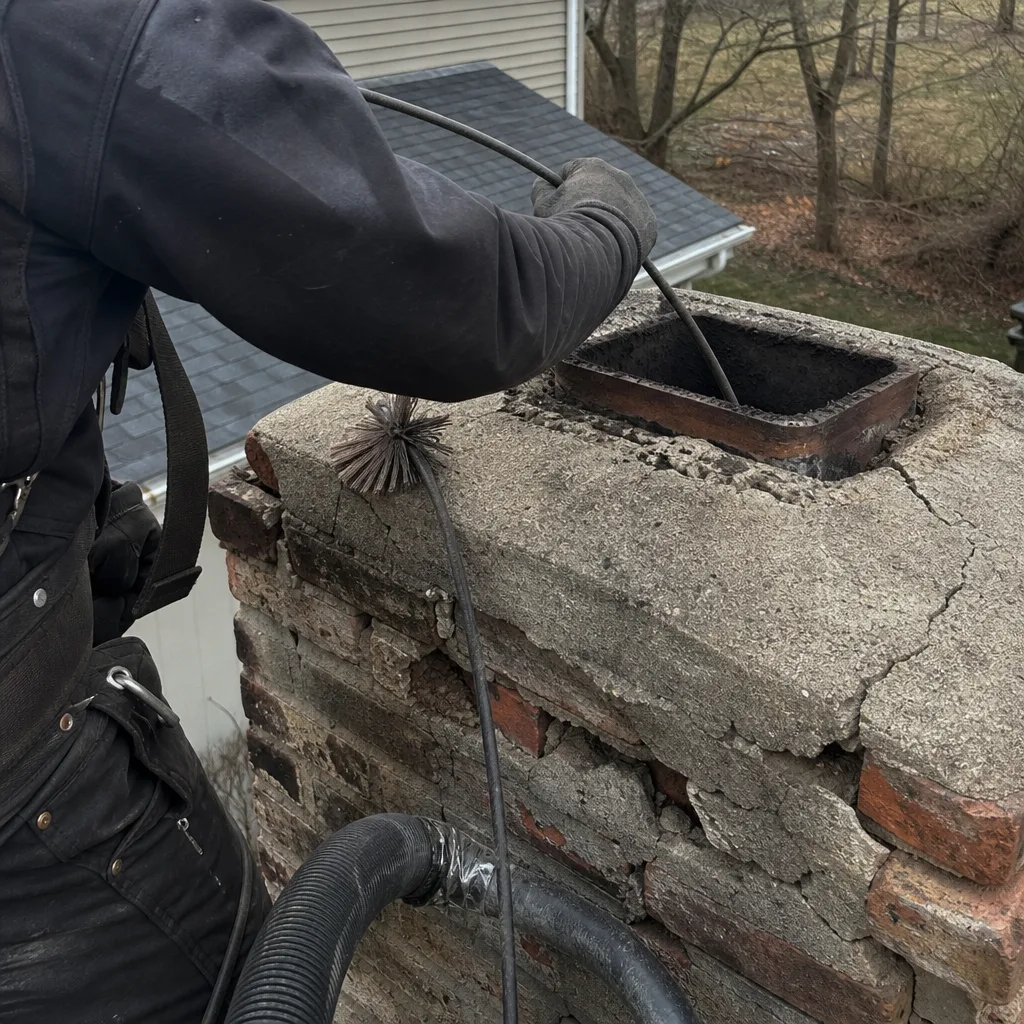 Before
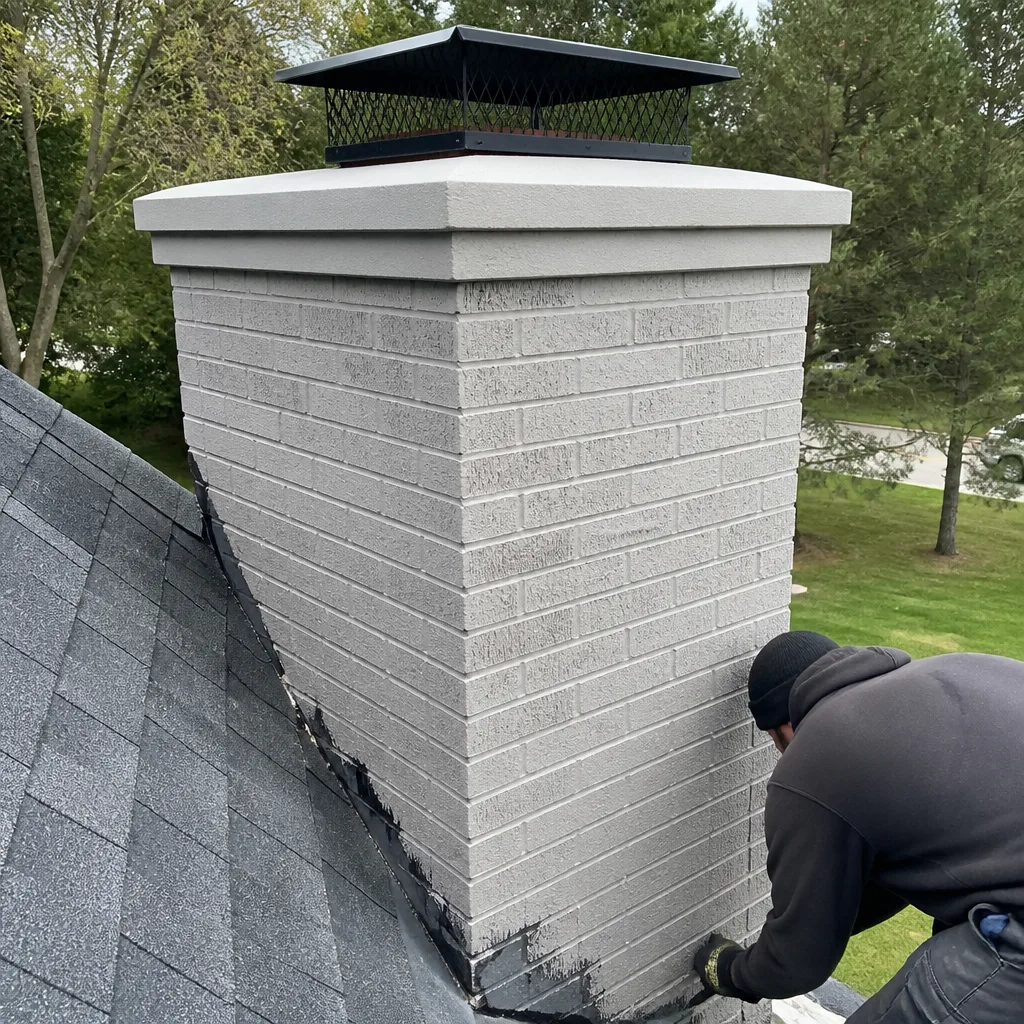 After
After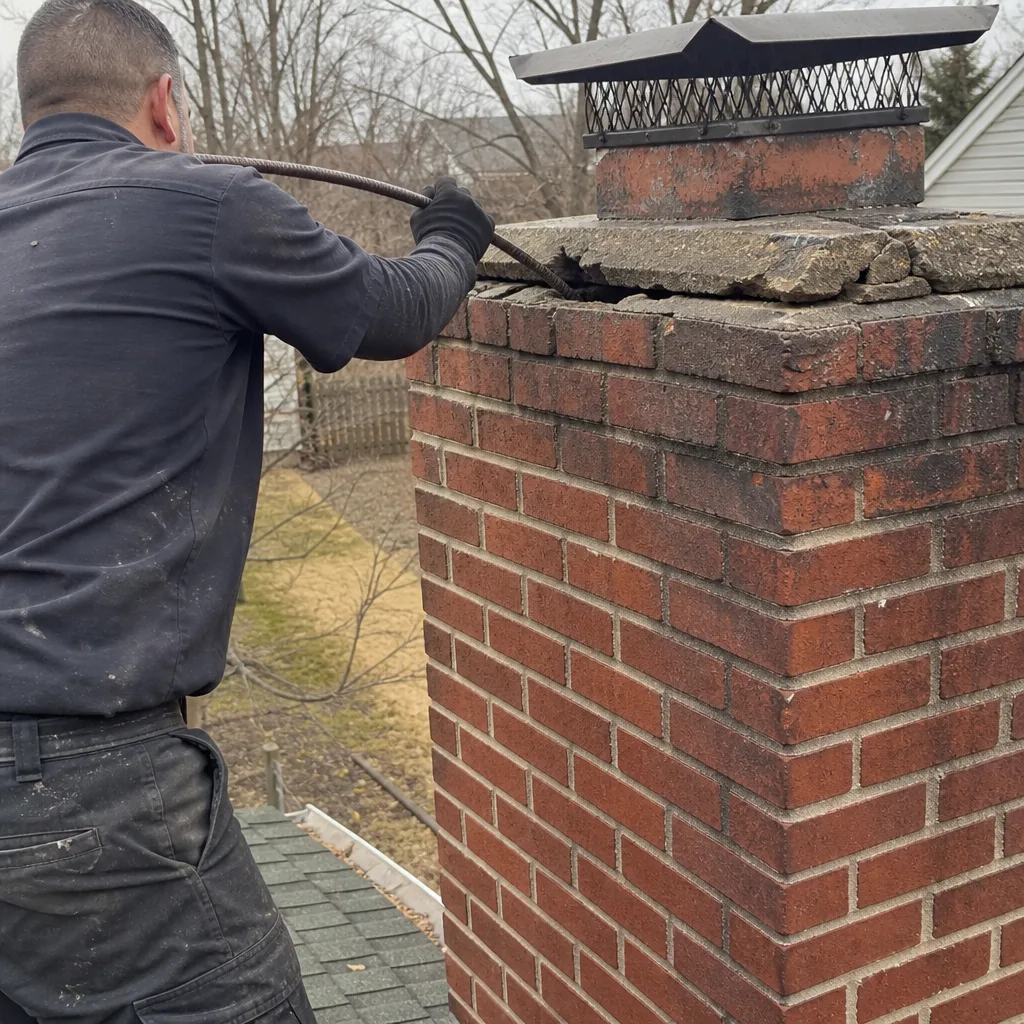 Before
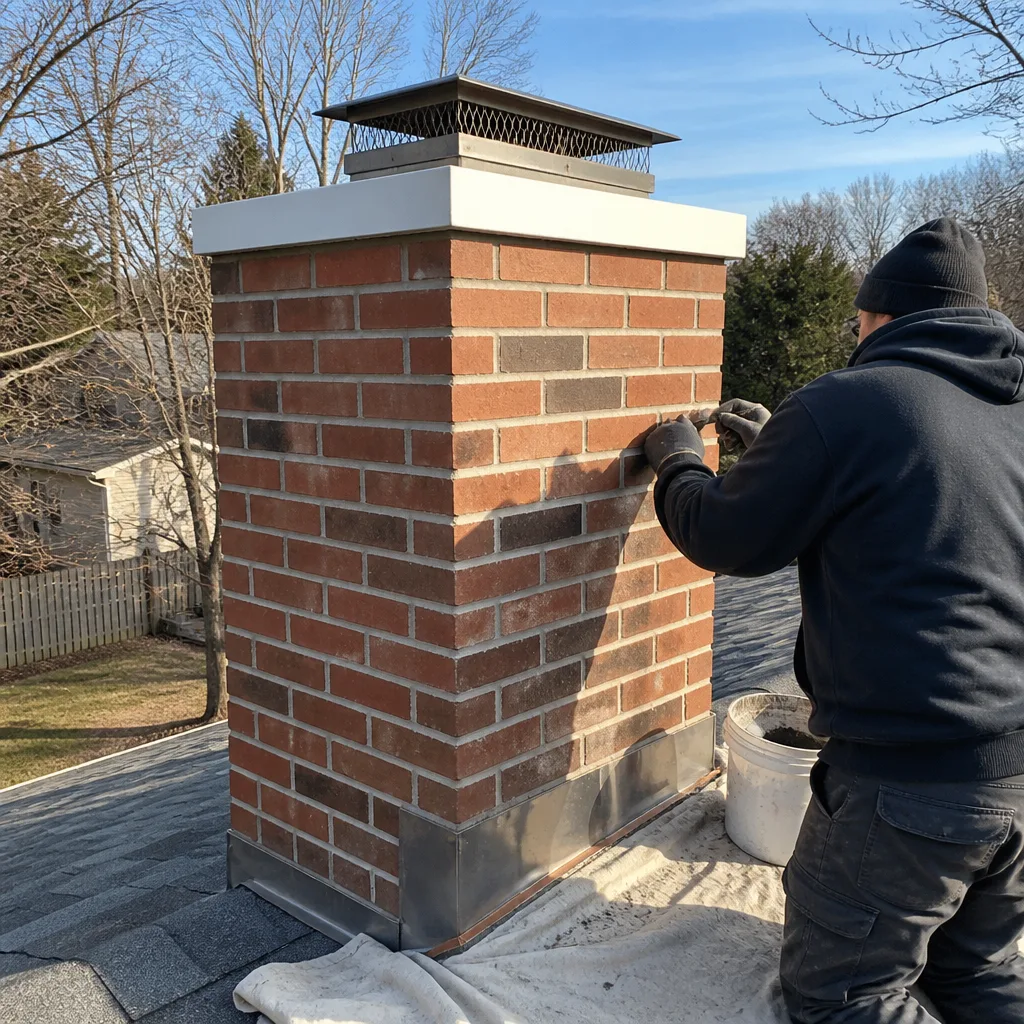 After
AfterChimney Cleaning Permits, Codes & Inspections in IL: What You Need to Know
Here’s the counterintuitive truth we run into weekly in Downers Grove: a chimney sweep itself never needs a permit, but the repairs that sweep reveals almost always do. In 2023, a homeowner in the Fairview neighborhood replaced their clay flue liner after a Level 2 inspection found vertical cracking, then skipped the DuPage County permit to save ten days. Eleven months later, a chimney fire caused $47,000 in roof and attic damage. Their carrier denied the claim outright, citing unpermitted work that voided the policy’s code-compliance clause. This guide maps exactly which chimney work triggers Illinois and DuPage County permit requirements, which codes actually apply, and how documented inspection records protect you when permits, insurance, or real estate disclosures enter the picture. For a deeper dive, see our Complete Guide to Chimney Cleaning in Downers Grove.
Quick Answer
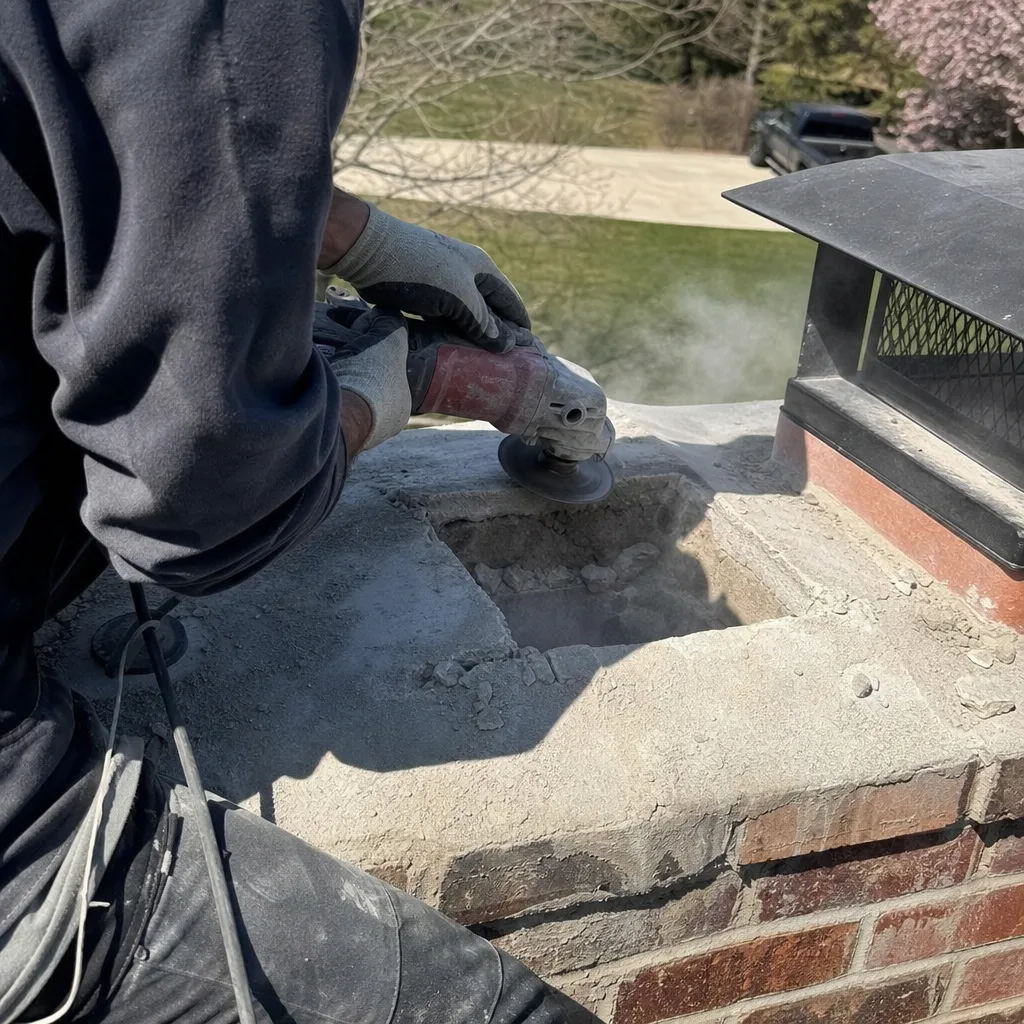
Chimney cleaning and sweeping in Illinois requires no permit. However, liner replacement, firebox reconstruction, structural crown repair, and new cap or chase cover installation typically require a permit under DuPage County municipal codes and the Illinois Energy Conservation Code. A Level 2 camera-scan inspection with written documentation becomes your evidence file if a permit inspection, insurance claim, or real estate transaction follows.
Table of Contents
- Chimney Cleaning vs. Repairs: The Permit Line
- Illinois Codes That Govern Chimney Work
- DuPage County and Downers Grove Permit Requirements
- How Level 2 Inspection Documentation Protects You
- Real Estate Disclosures and Chimney Condition in Illinois
- The Downers Grove Building Department Permit Process
- Insurance, Permits, and the Code-Compliance Trap
- Common Mistakes to Avoid
- When to Call a Professional
- Frequently Asked Questions
BeforeAfterChimney Cleaning vs. Repairs: The Permit Line
The distinction matters because homeowners routinely conflate the two, and contractors sometimes exploit the confusion.
Chimney cleaning and sweeping - the mechanical removal of soot, creosote, and debris from the flue, smoke chamber, and firebox - is classified as maintenance. No Illinois municipality requires a permit for this work. At Chimney Cleaning & Sweep in Downers Grove, our sweeps operate under NFPA 211 maintenance protocols, and the only documentation you receive is our written scope, photo record, and invoice. No permit, no inspection, no delay.
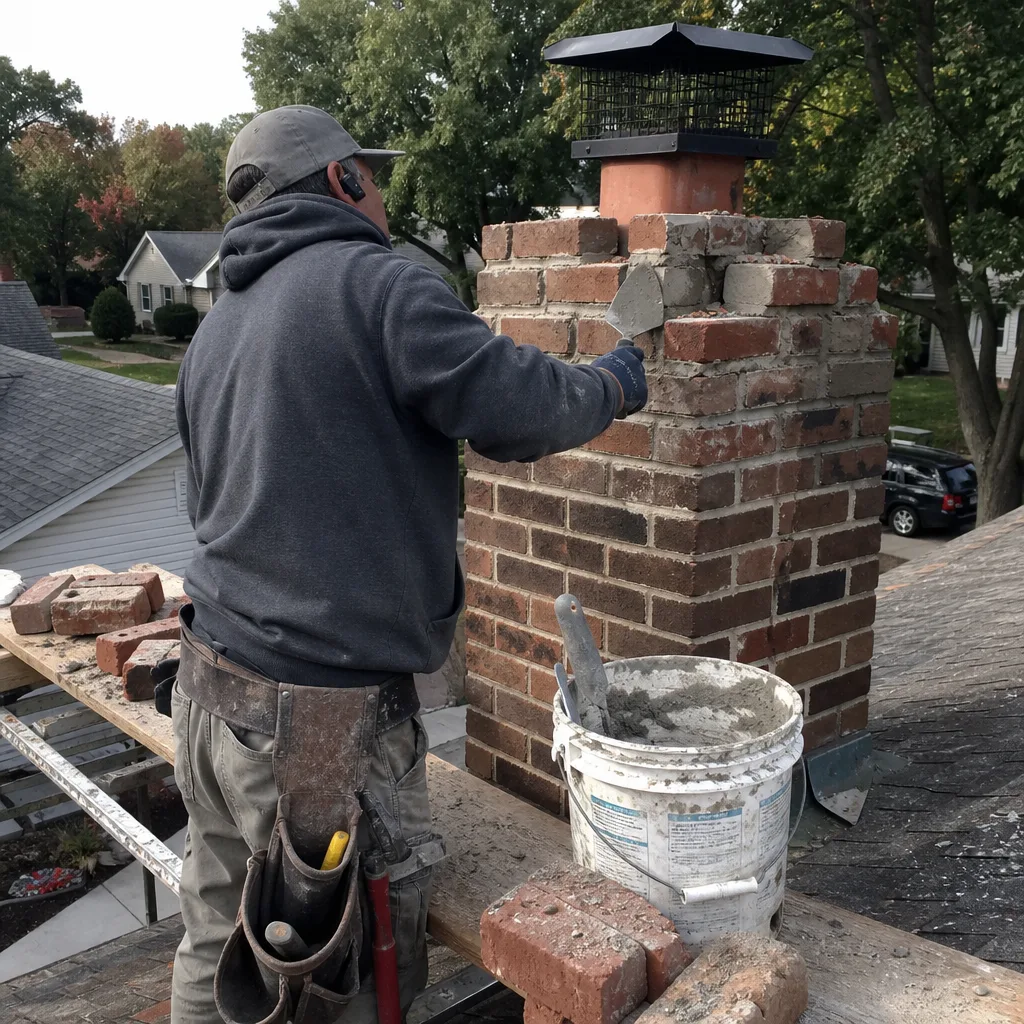
Chimney repairs cross into construction and alteration, triggering permit requirements. The specific threshold varies by DuPage County municipality, but the pattern is consistent. Work that modifies the structure, changes the flue’s listed dimensions, or installs new listed components typically requires permitting.
Here’s the breakdown we use when advising Downers Grove homeowners:
- No permit required: Sweeping, basic mortar repointing under $500 (in some municipalities), damper adjustment, sealant application to minor crown cracks under 1/8 inch
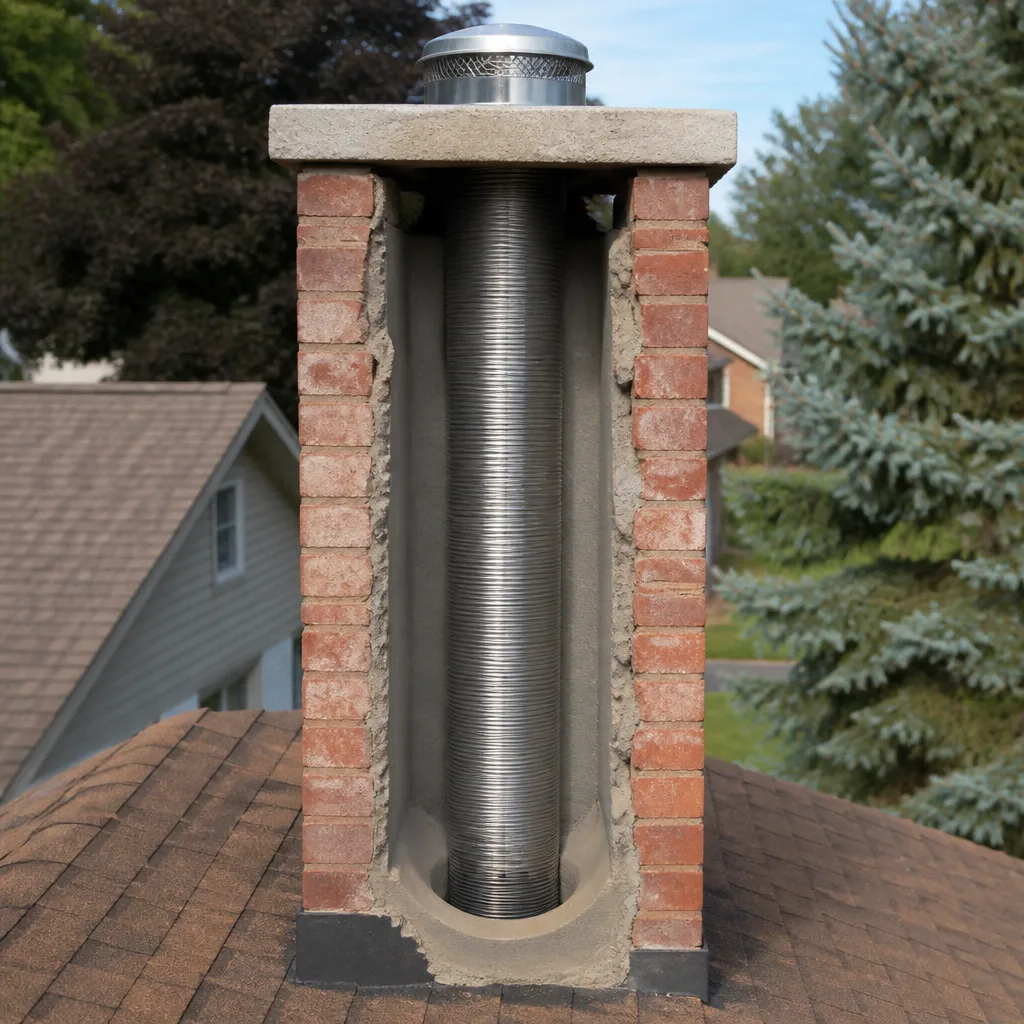
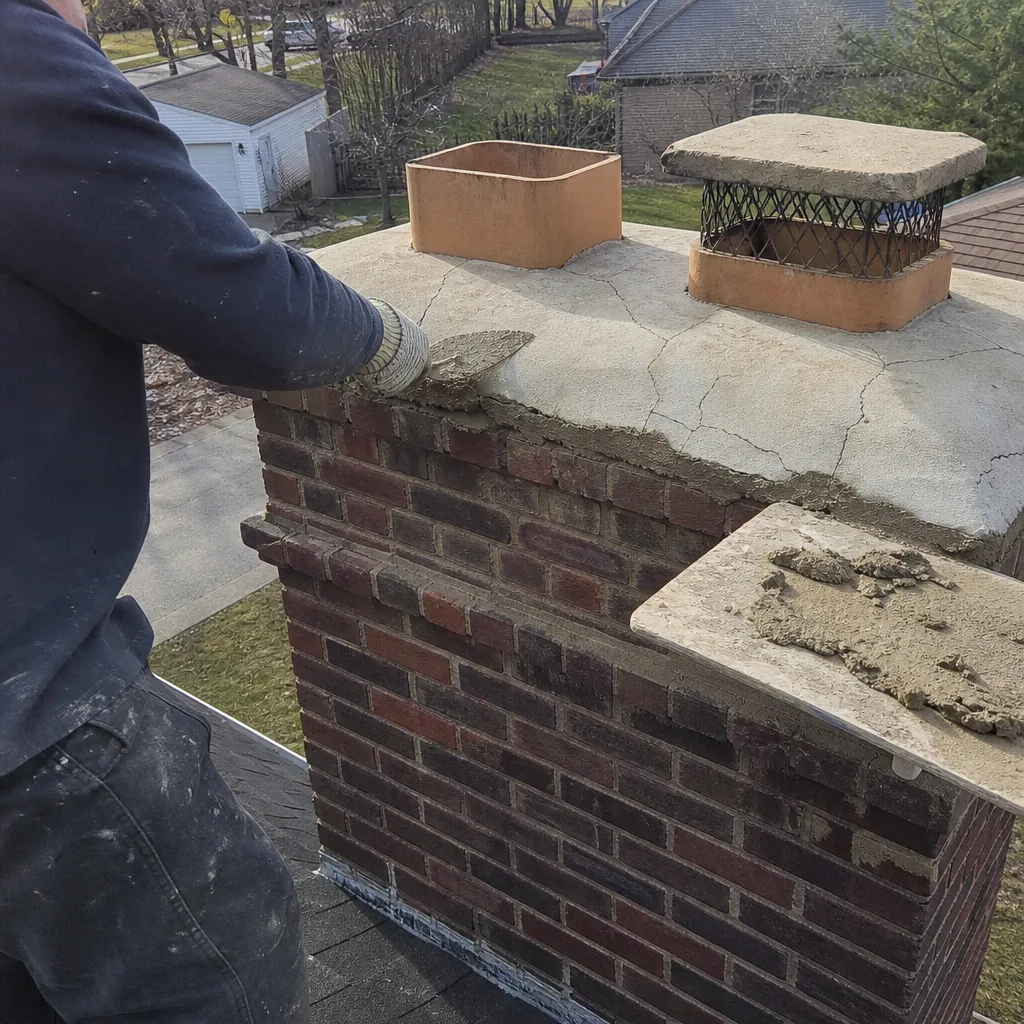
- Permit typically required: Flue liner replacement or relining; firebox brick replacement exceeding 10 square feet; smoke chamber parging; crown rebuild or replacement; chase cover or cap installation; exterior masonry rebuild; cricket or flashing installation
- Permit always required: New chimney construction; conversion from wood-burning to gas insert; structural modifications to the chimney foundation or footing
The gray zone is where homeowners get hurt. A contractor in Lisle last year told a client their “liner restoration” using HeatShield cerfractory foam was maintenance, not replacement. The village inspector disagreed, red-tagged the work, and the homeowner paid twice: once for the unpermitted job, again for permitted removal and reinstallation with proper documentation. We source materials from HeatShield and DuraFlex through our Haven buying network, and we always flag when their installation triggers permitting.
In Downers Grove specifically, the Building Division draws the line at whether the work alters the chimney’s original design or listed clearances. A sweep that leaves everything as found: no permit. A liner that changes the flue diameter or material (clay to stainless steel, for instance): permit required.
Illinois Codes That Govern Chimney Work
Illinois doesn’t maintain a standalone chimney code. Instead, chimney construction, repair, and inspection standards are adopted by reference through several interconnected codes. Understanding which applies to your situation prevents both under-compliance and unnecessary expense.
The Illinois Energy Conservation Code (IECC)
Illinois operates under a state-amended version of the International Energy Conservation Code, currently based on the 2021 IECC with Illinois-specific amendments. Section R402.4.2 addresses fireplace and chimney air leakage, requiring that fireplace doors, dampers, and flue closures form a tight seal when closed. For chimney repairs in Downers Grove, this matters when liner replacement or firebox reconstruction changes the system’s air leakage profile. Permitted work must demonstrate compliance through blower door testing or equivalent documentation.
NFPA 211: Standard for Chimneys, Fireplaces, Vents, and Solid Fuel-Burning Appliances
This is the foundational standard we work to daily. NFPA 211 governs:
- Clearances to combustibles (Chapter 9)
- Liner sizing and material specifications (Chapter 14)
- Inspection levels and frequency (Chapter 15)
- Maintenance and cleaning protocols (Chapter 14)
The 2019 edition, adopted by reference in most DuPage County municipalities, specifies three inspection levels. Level 1 is visual, accessible-surface only. Level 2 requires internal camera inspection of the flue and accessible portions of the chimney structure - this is the standard we established as default practice in 2009, documented in Clause 4 of the Haven Standard. Level 3 involves demolition of building components and is reserved for suspected hazards requiring full access.
NFPA 211 is not a building code with enforcement power; it’s a standard of care. But Illinois courts routinely reference it in negligence and insurance disputes, and DuPage County building departments adopt it by reference in their chimney permit requirements.
International Residential Code (IRC) and International Building Code (IBC)
Illinois municipalities adopt the IRC (one- and two-family dwellings) or IBC (commercial and multi-family) with state amendments. Relevant sections include:
- IRC R1003: Factory-built and masonry fireplaces
- IRC R1004: Pellet fuel-burning appliances
- IBC 2113: Masonry chimneys
- IBC 2114: Metal chimneys
Downers Grove amended the 2021 IRC with specific provisions for chimney height above roof planes and clearance to ridge lines, reflecting our area’s older housing stock and mature tree canopy. A chimney in the Highland Hills area, for instance, may need height extension to clear oak canopy while maintaining the 3-2-10 rule (3 feet above roof penetration, 2 feet higher than any portion within 10 feet).
Local Amendments and the DuPage County Context
DuPage County municipalities maintain individual building codes with chimney-specific amendments. Downers Grove’s amendments address:
- Frost depth footing requirements (42 inches, reflecting our freeze-thaw cycle)
- Seismic bracing for factory-built chimneys (adopted after regional seismic mapping updates)
- Clearance reductions through listed heat shields (permitted only with manufacturer documentation)
We keep current copies of Downers Grove, Lisle, Woodridge, and Lombard amendments in our service vehicles. When we quote Chimney Repair in Downers Grove, we note which amendments apply and whether permitting is anticipated.
DuPage County and Downers Grove Permit Requirements
DuPage County does not operate a unified building department. Each municipality administers its own permits and inspections, creating a patchwork that confuses homeowners and contractors alike.
Downers Grove Building Division Specifics
The Downers Grove Building Division issues permits for chimney work through its Development and Permitting Division. Key facts:
- Permit types: Mechanical permit for liner replacement and appliance connections; building permit for structural masonry work, crown rebuilds, and new construction
- Who applies: Licensed contractors must apply; homeowners may apply for their own residence but assume liability for code compliance
- Required documentation: Scope of work description; manufacturer specifications for all listed components (we provide DuraFlex or Olympia Chimney specification sheets); site plan showing chimney location; contractor license and insurance verification
- Typical timeline: 5-10 business days for mechanical permits; 10-15 business days for building permits requiring structural review
We’ve observed seasonal backlog: permit review extends to 15-20 business days in September and October as homeowners rush pre-winter work. We factor this into project scheduling and communicate expected permit timelines in our written scope under Haven Standard Clause 1.
Neighboring Municipalities
Downers Grove homeowners with properties near municipal boundaries sometimes assume their village’s rules apply. They don’t. Lisle requires pre-permit consultation for any liner replacement. Woodridge mandates third-party engineering review for chimney crowns exceeding 30 square feet. Lombard exempts cap and chase cover replacement from permitting if no structural attachment is modified. We verify jurisdiction before quoting and note the specific municipality in our written scope.
The Unincorporated DuPage County Exception
Properties in unincorporated DuPage County fall under County Building and Zoning. Their chimney permit requirements mirror the IRC with fewer amendments, but inspection scheduling is centralized and typically slower - 15-20 business days for initial inspection. We’ve completed work in the unincorporated pockets near Downers Grove’s western edge where this delay catches homeowners by surprise.
How Level 2 Inspection Documentation Protects You
The camera scan and written report from a Level 2 inspection serve purposes beyond immediate repair decisions. They become evidence files in three scenarios we encounter regularly in Downers Grove.
Scenario 1: The Permit Inspection Gap
Downers Grove building inspectors verify code compliance at rough-in and final inspection. They don’t witness concealed work. A liner installed without camera documentation leaves no record of proper connection, support spacing, or clearance maintenance. If a later inspection (during a sale, for instance) reveals anomalies, the homeowner has no proof the work was done correctly.
Clause 4 of the Haven Standard requires we document:
- Pre-condition camera footage of the entire flue length, stored with date stamp and property address
- Post-installation camera footage showing liner continuity, proper overlap at joints, and clearance to flue walls
- Written measurements of liner diameter, length, and connection details
- Manufacturer specification sheet for the installed product
- Photo record of exterior termination, cap installation, and crown condition
This archive, maintained since 2009, has resolved permit disputes where inspectors questioned work completed years prior.
Scenario 2: The Insurance Investigation
After a chimney fire or carbon monoxide incident, insurance adjusters request maintenance records. A sweep receipt proves cleaning occurred. A Level 2 report proves the system’s condition was professionally evaluated and any defects were identified. Without this documentation, carriers may invoke policy exclusions for “failure to maintain” or “pre-existing defect.”
The Fairview case we opened with: the homeowner had no Level 2 documentation from prior years, no proof the cracking was recent versus long-standing. Their carrier denied on both code-compliance and maintenance grounds. A documented inspection record would have established the timeline and triggered earlier repair.
Scenario 3: The Real Estate Transaction
Illinois residential real estate contracts include the Residential Real Property Disclosure Report. Sellers must disclose known material defects, including chimney condition. A pre-listing Level 2 inspection with documentation allows sellers to:
- Disclose accurately, with professional backing
- Repair proactively with permitted, documented work
- Price the property reflecting known condition rather than buyer-discovered defects
We’ve provided pre-listing inspections in Downers Grove’s Randall Park and Hillcrest neighborhoods where documented chimney condition facilitated clean transactions. The alternative - buyer’s inspection discovering undocumented defects - typically triggers price reductions exceeding repair cost or deal collapse.
Real Estate Disclosures and Chimney Condition in Illinois
Illinois law creates specific obligations around chimney disclosure that most homeowners and some agents misunderstand.
The Residential Real Property Disclosure Act (765 ILCS 77/)
Sellers must complete a disclosure form answering 21 questions about property condition. Question 7 asks about “roof, chimney, or fireplace defects.” The statute requires disclosure of defects “actually known to the seller.” It does not require professional inspection - a seller who never uses their fireplace and has no knowledge of defects may answer “no” in good faith.
The trap: “no knowledge” is not “no defect.” A buyer’s post-purchase inspection revealing unpermitted, uninspected chimney work can support claims of negligent misrepresentation or fraud, particularly if the seller received prior repair quotes or observed symptoms (smoke backup, water intrusion, masonry debris).
How Documentation Protects Both Parties
For sellers, a pre-listing Level 2 inspection with photo documentation establishes the “known” condition at a specific date. If defects existed and were disclosed, the seller is protected. If no defects were found, the inspection report supports the “no” answer with professional evidence.
For buyers, requesting seller-provided inspection documentation is standard practice in Downers Grove’s competitive market. A report from Emberly Chimney Cleaners Downers Grove home or another qualified sweep provides negotiation basis without contingency renegotiation.
We recommend Downers Grove sellers complete inspection 60-90 days before listing. This permits time for permitted repairs with documentation, avoiding the rush that leads to unpermitted shortcuts.
The Permit Disclosure Angle
Illinois does not require sellers to disclose permit history, but DuPage County permit records are public. Savvy buyers and their attorneys search permit history. Unpermitted chimney work appears as absence - no permit, no inspection, no compliance verification. This absence becomes leverage in negotiation or litigation.
We document permit status in our inspection reports when work history is known, and we advise clients to verify permit status for any prior repairs they didn’t commission.
The Downers Grove Building Department Permit Process
Understanding the actual process prevents the delays and mistakes that lead homeowners to skip permits. Explore more guides & resources on chimney maintenance and compliance.
Step-by-Step: Chimney Repair Permit in Downers Grove
- Determine permit type. Mechanical for liner, cap, or appliance work. Building for masonry, structural, or new construction. When in doubt, the Building Division will classify upon application.
- Prepare documentation. Scope of work in plain language; manufacturer cut sheets for all listed components (we provide DuraFlex or Olympia Chimney specifications from our Haven buying network); site plan or survey showing chimney location; contractor license and insurance certificates.
- Submit application. Online through the Downers Grove permit portal or in person at 801 Burlington Avenue. Fee varies by project value; typical chimney mechanical permit is $85-150, building permit $150-400.
- Plan review. Mechanical permits typically review in 5-7 business days. Building permits with structural elements may require 10-15 business days and referral to the village engineer.
- Permit issuance. Work may begin upon permit posting at the work site. Downers Grove requires permits be visible from the street for inspector access.
- Rough-in inspection. For liner replacement, after liner installation but before closure. Inspector verifies clearance, support, and connection. We schedule this to coincide with our post-installation camera scan.
- Final inspection. After all work complete, appliances connected, and site cleaned. Inspector verifies completion per approved scope and issues Certificate of Completion.
- Close permit. Certificate of Completion is recorded; permit status updates to “final” in village records. Retain for insurance and real estate purposes.
Common Process Frustrations
Homeowners who attempt self-permiting often stumble on documentation requirements. Manufacturer cut sheets for Famco caps or Copperfield components are not retail packaging; they’re specification documents with UL listing numbers, clearances, and installation requirements. We provide these as standard in our permit-ready documentation package.
Seasonal backlog is real. We schedule permit submission before peak season and communicate realistic timelines. A homeowner who needs chimney repair before Thanksgiving should initiate permitting by early October, not mid-November.
When Downers Grove Requires Engineering
Structural chimney rebuilds, foundation modifications, or repairs after fire damage may require stamped engineering. The village maintains a list of approved structural engineers familiar with chimney-specific loads and masonry design. We coordinate this when our inspection reveals conditions requiring professional engineering.
Insurance, Permits, and the Code-Compliance Trap
The insurance implications of unpermitted chimney work are underappreciated until claims are denied.
The Policy Language
Standard Illinois homeowners policies include a “concealment or fraud” provision and a “increase in hazard” clause. More critically, most policies require that the insured property “conform to current building codes” or specify that coverage for “ordinance or law” upgrades applies only to code-compliant original construction.
Unpermitted work is presumptively non-code-compliant. The burden shifts to the homeowner to prove compliance - without permit records or inspection documentation, this is nearly impossible.
The Fire Claim Denial Pattern
We review denied claims as expert witnesses in chimney fire cases. The pattern is consistent:
- Chimney fire occurs, causing structural or content damage
- Insurance adjuster requests maintenance records and permit history
- No permit found for recent liner replacement or repair
- Carrier invokes code-compliance exclusion
- Homeowner faces uncovered repair costs, potential mortgage acceleration, and diminished property value
The Fairview case was not exceptional. In 2022, a Downers Grove homeowner in the Longmeadow area faced $34,000 in uncovered damage after a cap installation without permit led to water intrusion, freeze-thaw spalling, and eventual structural compromise. The carrier denied not the water damage itself, but the root cause: unpermitted work that failed to meet flashing and clearance requirements.
The Corrective Path
If you discover unpermitted prior work, options exist:
- Retroactive permitting: Some municipalities allow permit application after work completion, with inspection and potential modification. Downers Grove permits this in limited circumstances with penalty fees.
- Reinspection and documentation: A Level 2 inspection may establish that work, while unpermitted, meets code standards. This doesn’t cure the permit gap but provides evidence for insurance purposes.
- Replacement with permitted work: In severe cases, removing and reinstalling with proper permitting may be most cost-effective long-term.
We provide free second opinions on competitor estimates, including permit status verification. Bring us a written quote; we’ll identify whether permitting is anticipated and what documentation you should expect.
Common Mistakes to Avoid
- Assuming cleaning requires a permit. It doesn’t, and contractors who claim otherwise are either uninformed or padding fees. Verify with the Downers Grove Building Division directly.
- Letting a contractor “handle” permits without verification. We’ve encountered contractors who claimed permits were “filed” but never submitted. Request the permit number and verify online through the village portal before work begins.
- Skipping permits for “minor” liner work. Any liner replacement alters the flue’s listed dimensions or material. Downers Grove requires mechanical permits for all liner replacements, regardless of homeowner perception of scope.
- Failing to disclose prior unpermitted work when selling. Even if you didn’t commission the work, actual knowledge of unpermitted repairs triggers disclosure obligations. A pre-sale inspection documents what you know and when you knew it.
- Accepting verbal assurance that work “meets code.” Code compliance without permit verification is unprovable. Insist on written scope referencing specific code sections and permit documentation.
- Neglecting to request manufacturer specification sheets. These documents prove listed components were installed per listing. We provide them for all DuraFlex, HeatShield, and Olympia Chimney products we install.
- Waiting until October to schedule permitted repairs. Permit review, scheduling, and inspection availability compress in fall. Downers Grove homeowners who plan for September completion should start in July.
When to Call a Professional
Call a qualified chimney professional when inspection reveals defects beyond routine maintenance, when you’re uncertain whether proposed work requires permitting, or when buying or selling a home with fireplace or chimney systems. In Downers Grove, the freeze-thaw cycle, mature tree canopy, and aging housing stock create conditions that reward early professional evaluation.
Emberly Chimney Cleaners Downers Grove offers free estimates throughout Downers Grove and surrounding DuPage County communities. Every estimate includes a written scope, written price, and written warranty before any work begins - Haven Standard Clause 1. We verify permit requirements for your specific municipality, provide permit-ready documentation, and maintain photo records on every job under Clause 4. For Fireplace Services in Downers Grove or any chimney concern, call (331) 253-4980. Our phone is answered live, 24 hours a day.
Frequently Asked Questions
No. Chimney cleaning and sweeping are classified as maintenance and require no permit in Downers Grove or any Illinois municipality. A professional sweep includes debris removal, creosote evaluation, and basic condition assessment, but does not alter the chimney’s structure or components. Call (331) 253-4980 to schedule a sweep with documented photo record.
Chimney sweeping in Downers Grove typically ranges from $189 to $289 for a standard fireplace and flue, depending on accessibility, creosote accumulation level, and whether the sweep includes a Level 1 or Level 2 inspection. We provide a written price before any work starts, with no variation after arrival. Call (331) 253-4980 for an exact quote - estimates are free.
Flue liner replacement, firebox reconstruction exceeding minor repointing, crown rebuild or replacement, new cap or chase cover installation with structural attachment, and any new chimney construction always require permits in Downers Grove and virtually all DuPage County municipalities. Mechanical permits cover liner and appliance work; building permits cover structural masonry.
NFPA 211 recommends annual inspection for all chimney systems, and more frequent inspection for heavy-use wood-burning systems or those burning unseasoned fuel. In Downers Grove, we recommend annual Level 1 inspection with Level 2 camera scan every 3-5 years, or immediately upon property purchase, after chimney fire, or before significant weather events. Our 38,000+ inspections since 2009 show that annual maintenance prevents the deferred deterioration that drives major repair costs.
You need a new liner when inspection reveals conditions that cleaning cannot remedy: vertical cracking, spalling, gaps between flue tiles, improper sizing for the connected appliance, or deterioration of stainless steel in factory-built systems. We never recommend liner replacement without camera evidence you can see yourself, and we plainly state when conditions allow continued use with monitoring. Our written scope includes the specific defect, the code section it violates, and your options with prices. Call (331) 253-4980 for a free second opinion on any replacement recommendation.
Unpermitted chimney repairs create three risks: municipal enforcement requiring removal and re-permitting at your expense; insurance claim denial based on code-compliance exclusions; and real estate transaction complications when unpermitted work is discovered. In Downers Grove, permit records are public and increasingly checked by buyer agents and attorneys. The permit fee and timeline are minor compared to these consequences.
Yes, for work on your own residence. However, you assume full liability for code compliance and inspection passage. Most homeowners lack the technical documentation (manufacturer specifications, engineered drawings) that contractors provide. We include permit application in our service when work requires it, with all documentation prepared and liability retained by our licensed, insured operation.
The Bottom Line
Chimney cleaning needs no permit, but the repairs it reveals frequently do. In Downers Grove and DuPage County, liner replacement, structural masonry work, and new component installation trigger municipal permitting under the Illinois Energy Conservation Code and locally adopted IRC amendments. The documentation from a proper Level 2 inspection - camera footage, written measurements, manufacturer specifications - becomes your protection in permit inspections, insurance claims, and real estate transactions. Skipping permits to save time or cost is a gamble that homeowners routinely lose, often at multiples of the original savings. Get the inspection, get the documentation, and get the permit when work requires it.
Written by Corrine Halstead, Owner at Emberly Chimney Cleaners Downers Grove, serving Downers Grove since 2009.