
Last updated September 22, 2026
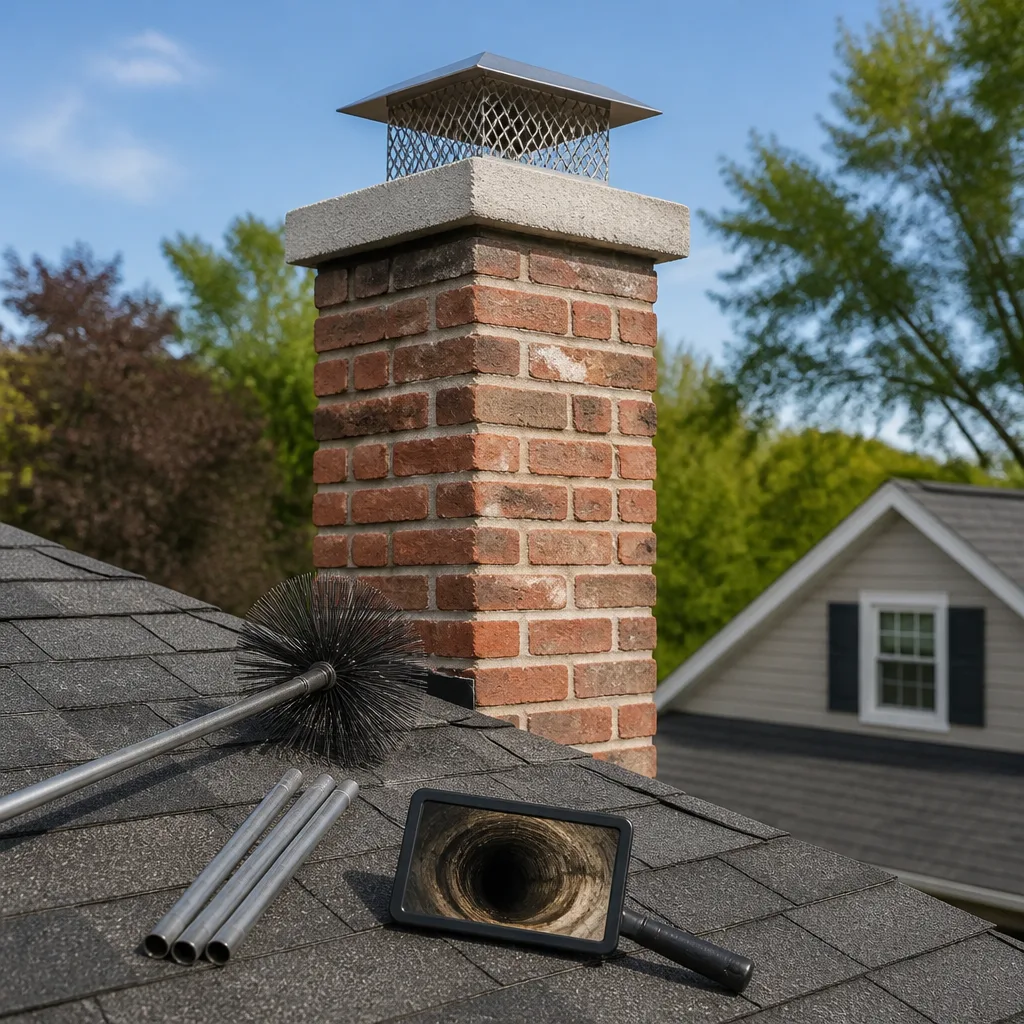
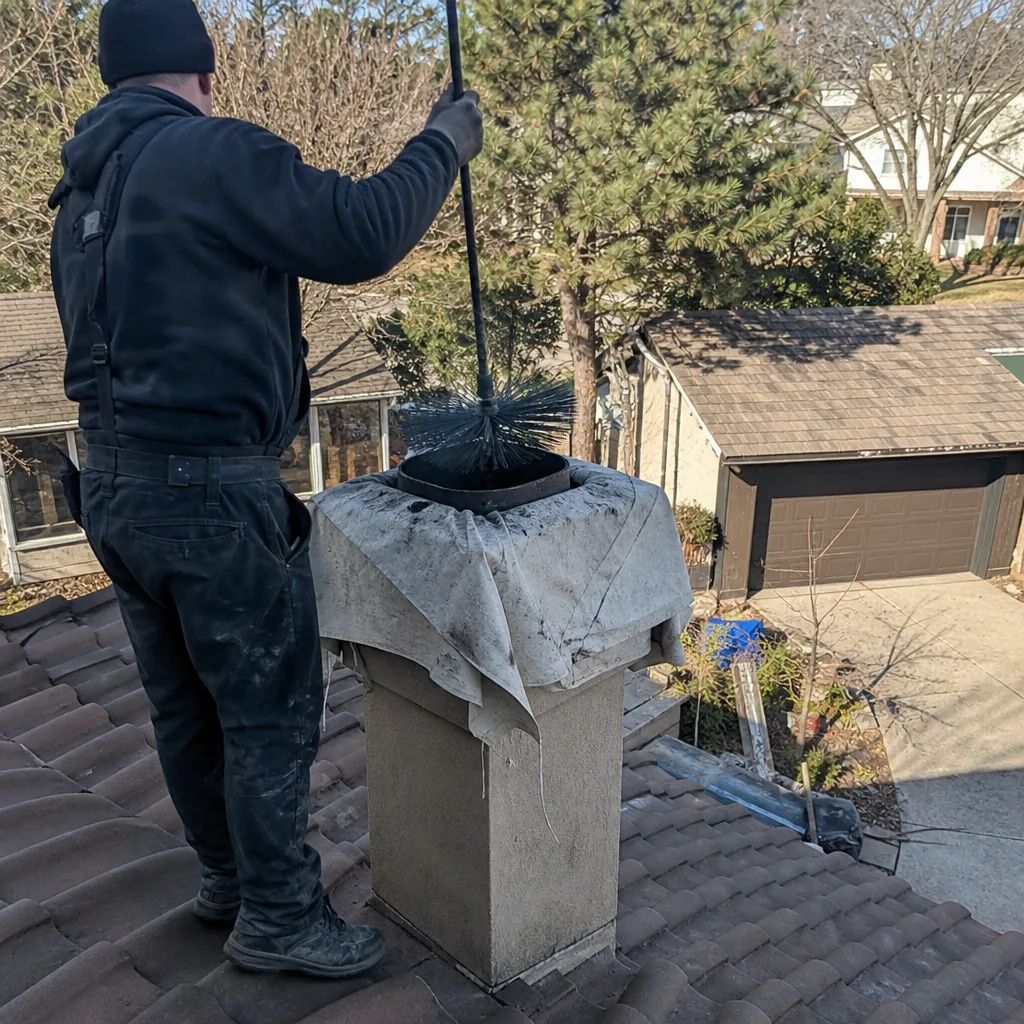
Level 1 sweep and inspection to the NFPA 211 annual standard - flue, crown, cap, and flashing checked and photographed
Chimney sweep logs do not sweep chimneys. They loosen some creosote - which then falls where a brush and vacuum still have to collect it.
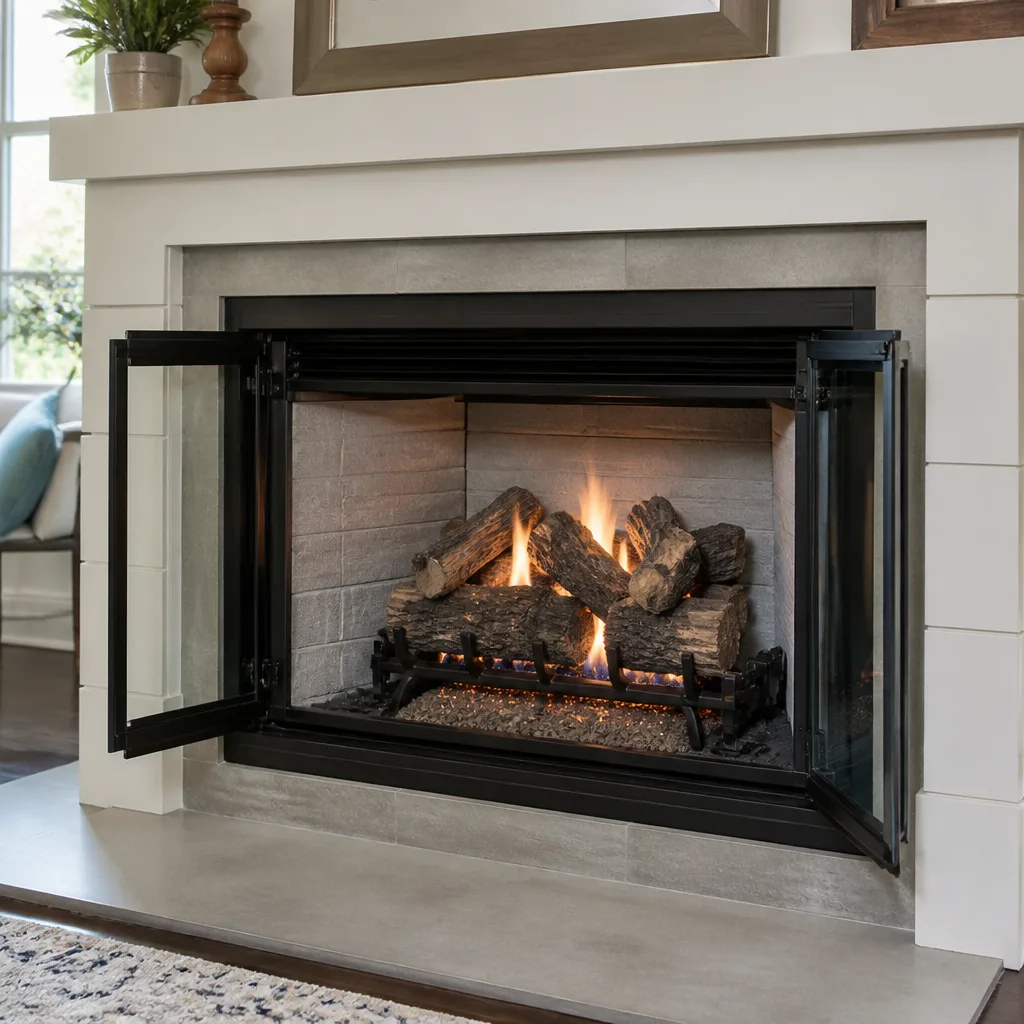
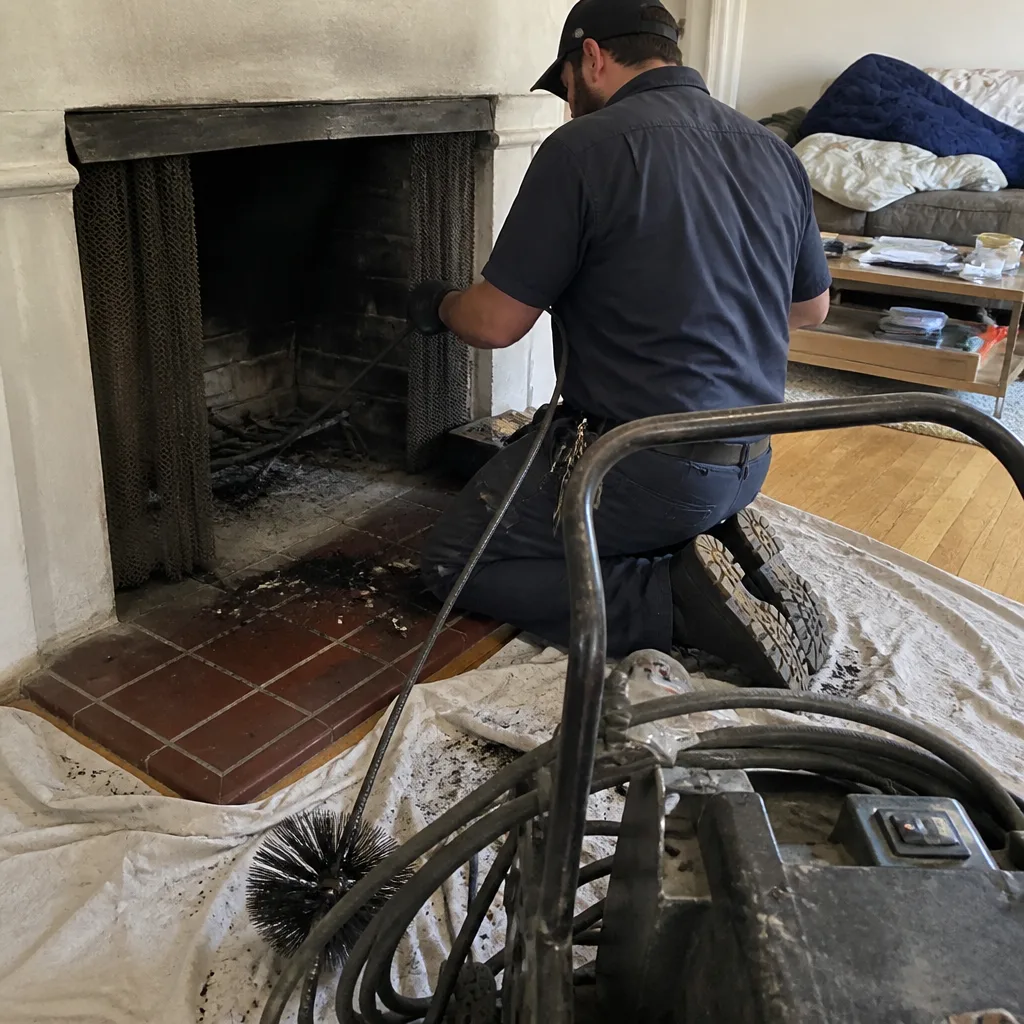 Before
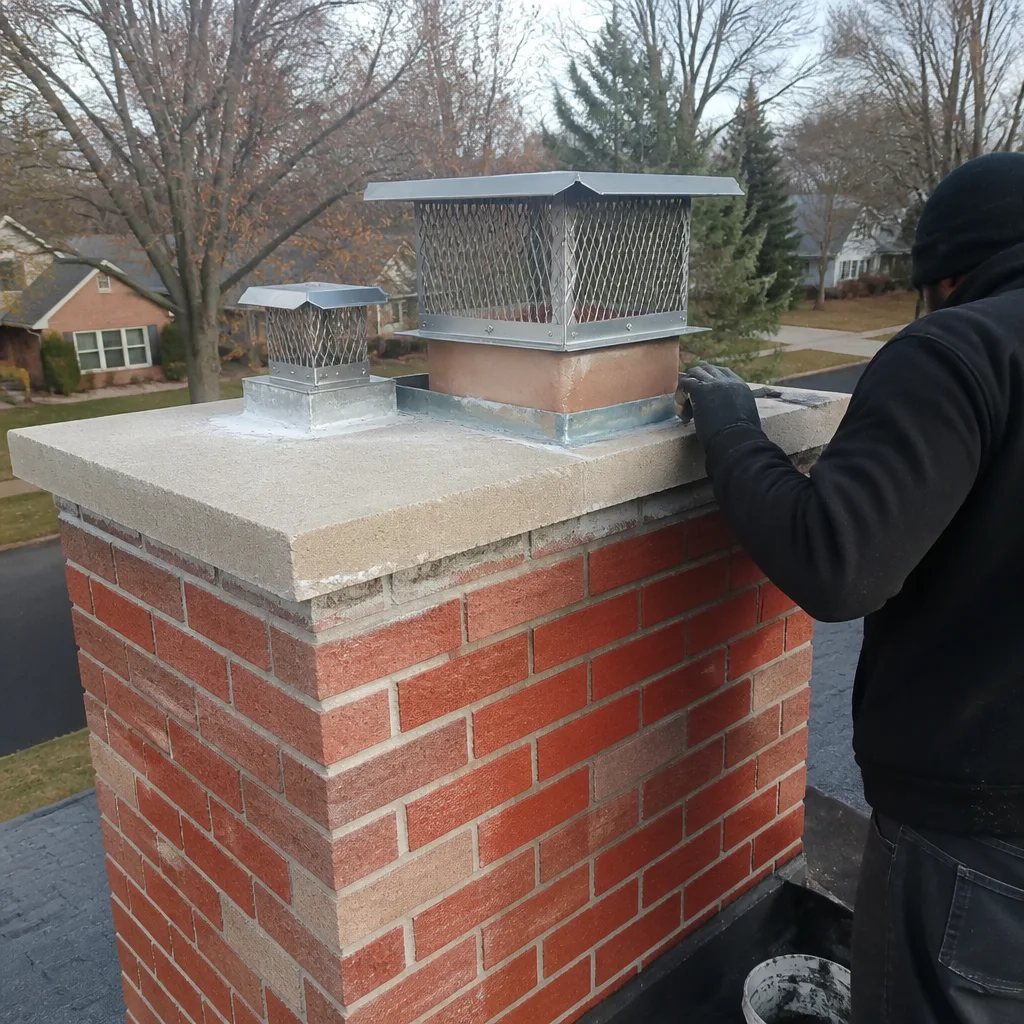 After
After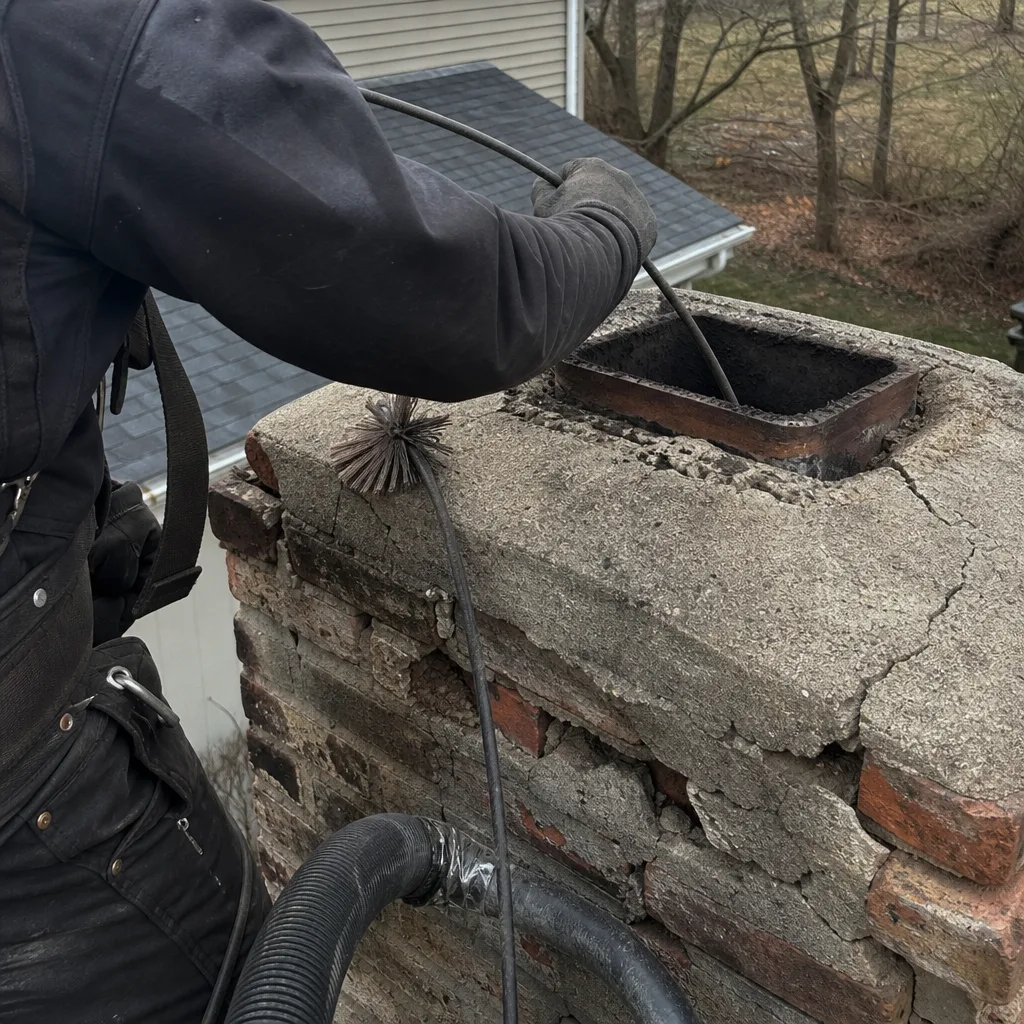 Before
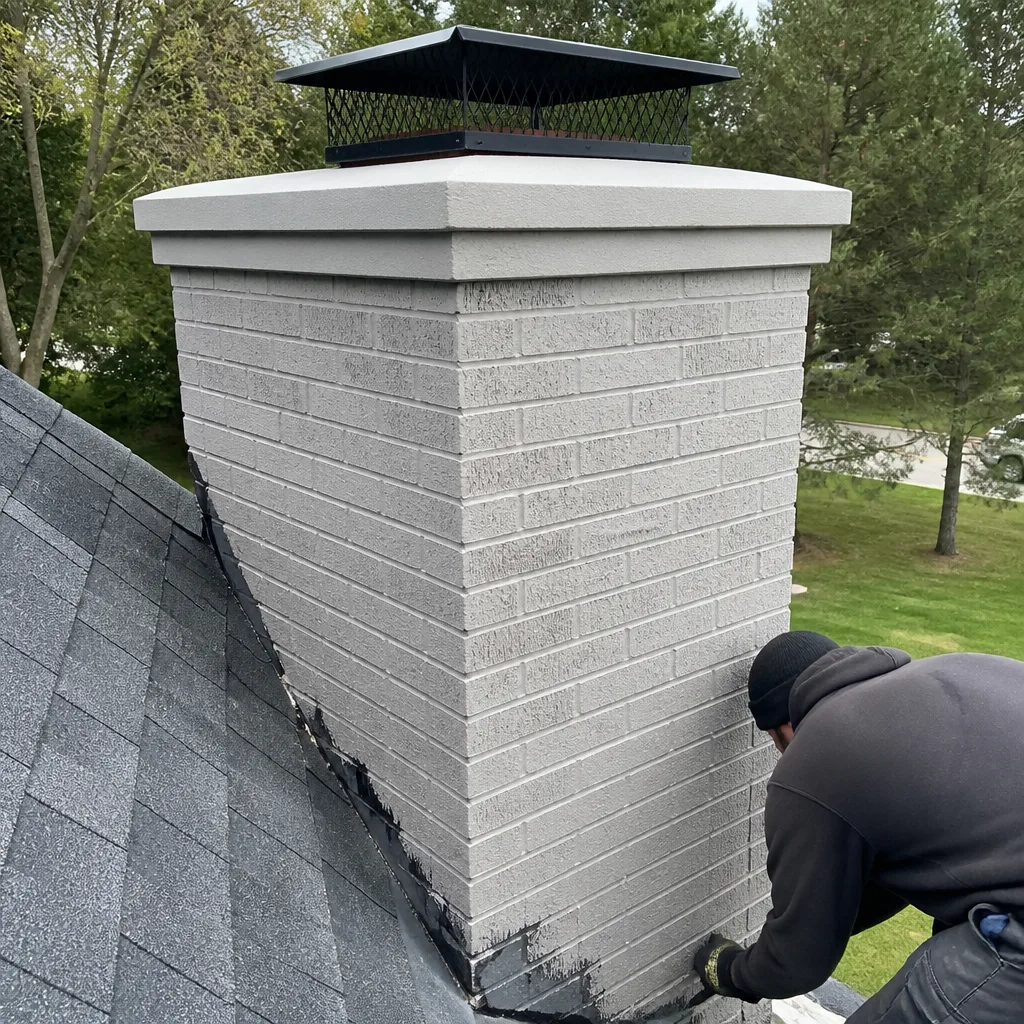 After
After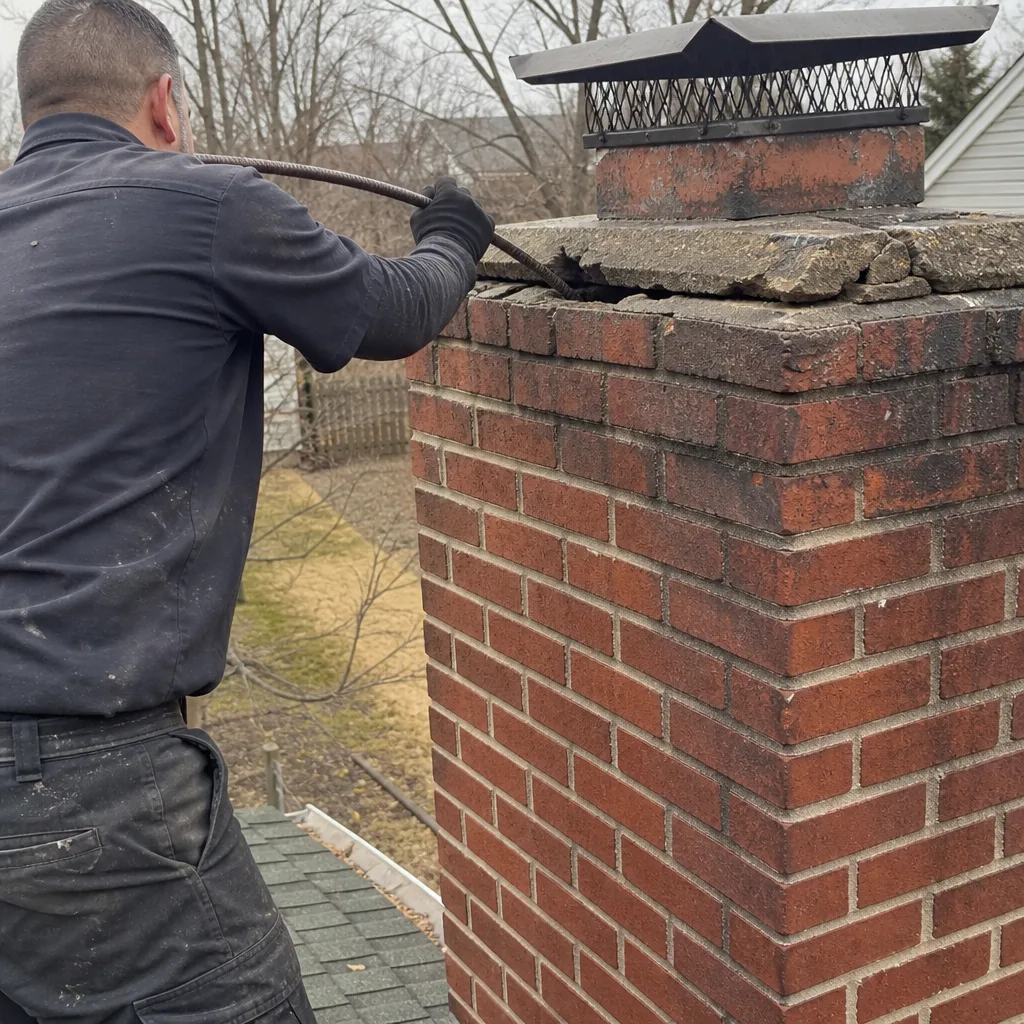 Before
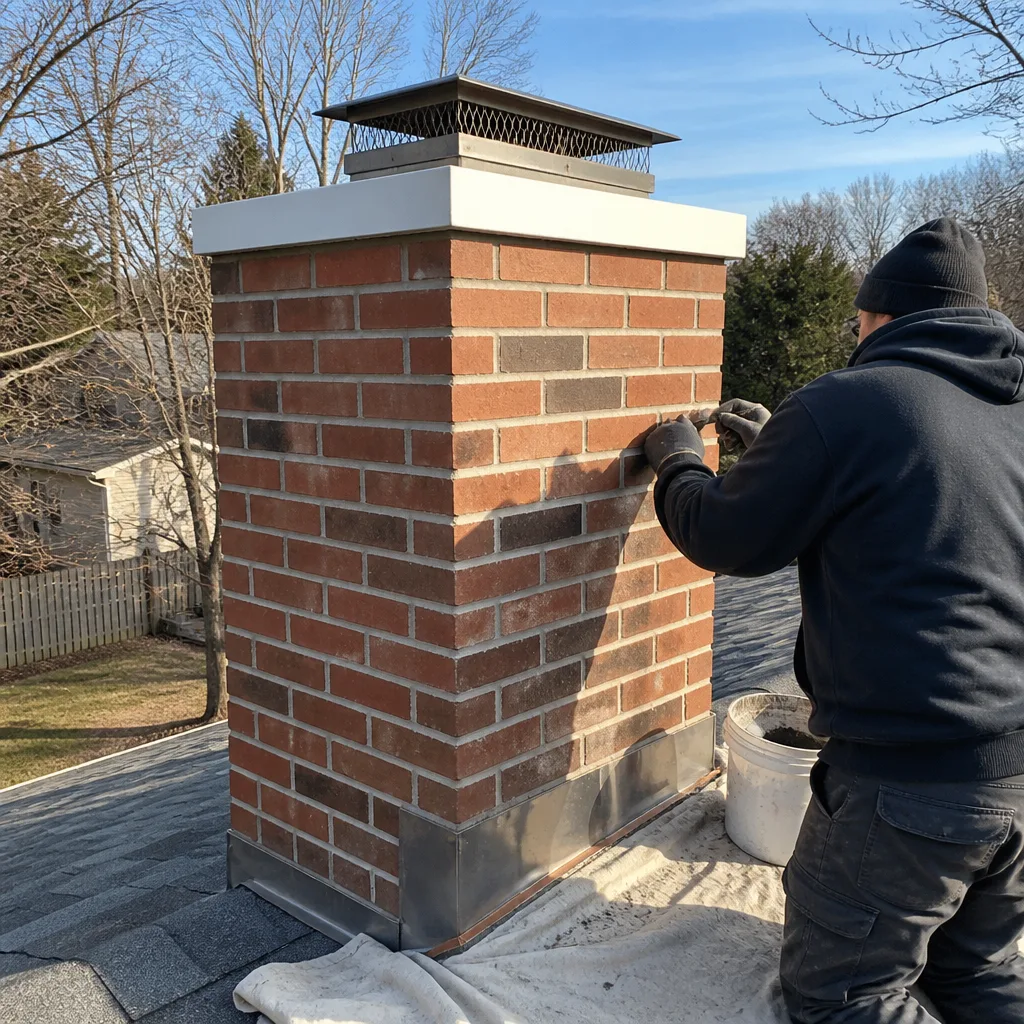 After
AfterSeasonal Chimney Cleaning Care for Downers Grove: Year-Round Homeowner’s Guide
If you burned more than two cords of wood last winter, your chimney almost certainly has Stage 2 creosote buildup by March. Scheduling your cleaning in October means that creosote sat there for seven months while freeze-thaw cycles worked on the liner underneath it. In Downers Grove, where January temperatures drop below 10°F and spring brings rapid freeze-thaw cycling, the “once a year in fall” cleaning schedule is a marketing default, not an engineering recommendation. Some households need two cleanings. Others need one cleaning plus a mid-season inspection. This guide maps which schedule belongs to which home, season by season, based on how you actually burn, and you can explore more guides & resources for year-round chimney care.
Quick Answer
Most Downers Grove homes need one professional chimney cleaning per year, timed for September, plus a post-season inspection in March if you burn more than two cords of wood or run a wood stove as primary heat. Gas fireplace owners should still schedule an NFPA 211 Level 2 inspection every two to three years. Pellet stove users need annual cleaning plus auger and vent inspection. The exact schedule depends on fuel type, burn volume, and whether your flue liner is stainless steel, clay tile, or unlined.
Table of Contents
- Spring (March-April): The Post-Season Inspection Most Homeowners Skip
- Summer (June-July): The Hidden Window for Major Work
- Fall (September-October): Booking Before the Backlog Hits
- Mid-Winter Check Triggers: When Usage Overrides the Calendar
- Fuel-Type Variables: Gas, Wood, and Pellet Maintenance Cadences
- Downers Grove Climate Factors That Accelerate Chimney Wear
- What Actually Happens During a Professional Chimney Cleaning
- Common Mistakes to Avoid
- When to Call a Professional
- Frequently Asked Questions
BeforeAfterSpring (March-April): The Post-Season Inspection Most Homeowners Skip
March in Downers Grove is when we find the most expensive surprises. The last fire was probably in February or early March. The flue is still coated with combustion residue. Then come the freeze-thaw cycles that define our late winters and early springs, with temperatures swinging from 45°F afternoons to 15°F nights inside a single week.
That temperature swing is doing active damage. Moisture that entered through a cracked crown or deteriorated mortar joint during winter freezes, expands, and thaws. Each cycle widens the crack. By the time October arrives, a hairline crack from March has become a water pathway that can destabilize the entire chimney structure. In neighborhoods like Brook Forest and Lyman Woods, where many homes were built between 1965 and 1985 with original clay tile liners, we see this pattern repeatedly.
A post-season inspection in March or April is not a cleaning. It is a diagnostic scan. We run the camera down the flue while the residue from winter burning is still present, because that residue shows us where condensation is forming. Condensation patterns reveal liner breaches, offset joints, and areas where creosote is accumulating faster than it should. We document everything with photos under Haven Standard Clause 4, which requires a documented photo record on every job we’ve performed since 2009.
Spring inspection also catches bird and animal intrusion before it compounds. European starlings and house sparrows, both common in Downers Grove’s mature tree canopy, begin nesting in late March. A chimney without a properly fitted cap becomes a nesting site. Nests block airflow, create fire hazards, and introduce moisture and parasites. Finding a nest in March means a simple removal and cap installation. Finding it in October means the nest has been there for six months, potentially with secondary moisture damage.
What we check in a spring inspection:
- Flue liner condition - we scan for cracks, spalling, and glaze buildup while winter residue is still present
- Crown integrity - hairline cracks from freeze-thaw are mapped and photographed
- Cap and spark arrestor function - missing or improperly fitted caps are the leading cause of animal intrusion
- Smoke chamber and damper operation - parging deterioration and damper corrosion from acidic condensation
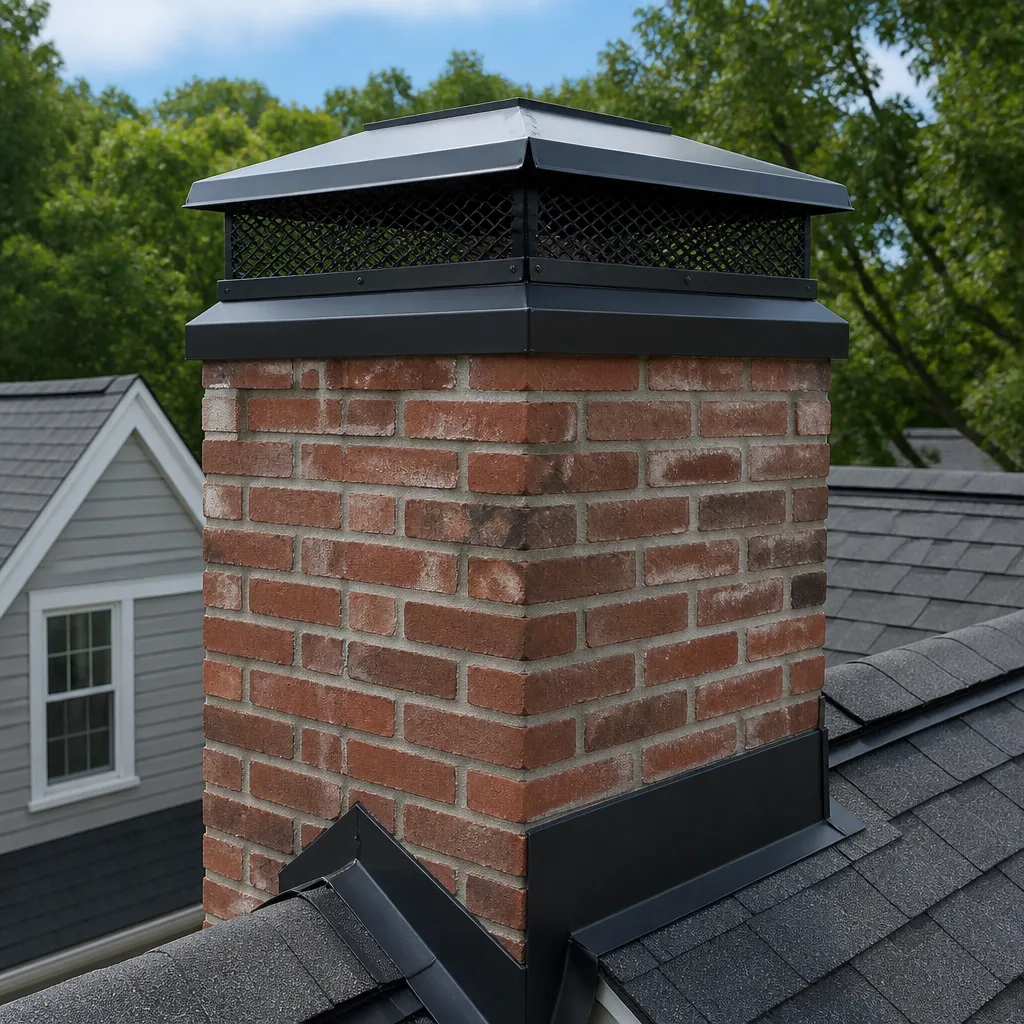
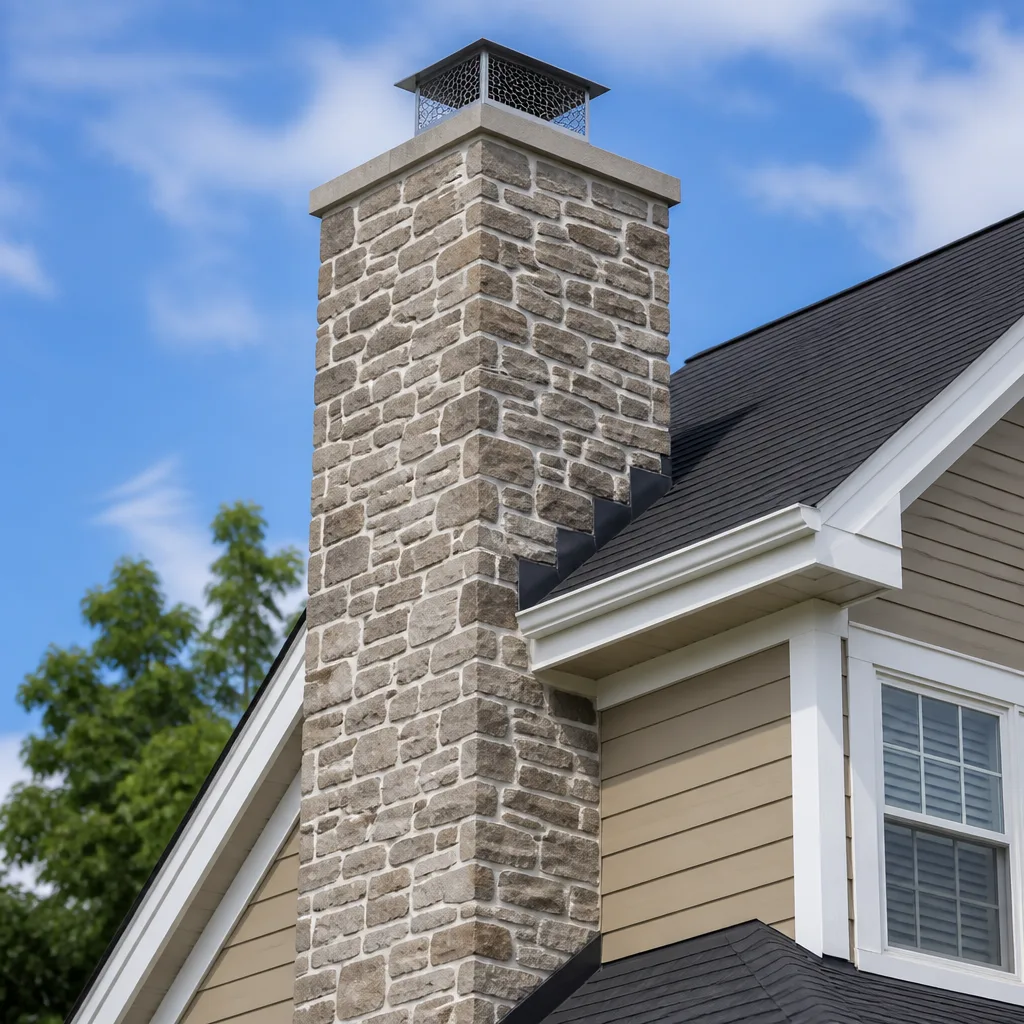
- Exterior masonry - efflorescence, spalling brick, and mortar joint deterioration from road salt and freeze-thaw
The cost of a spring Level 2 inspection in Downers Grove typically runs $199-$289. If we find issues, you have April through August to schedule repairs without the fall rush pricing and backlog. This is when chimney cap and crown work should be scheduled, because sealants and refractory materials cure properly in moderate temperatures.
Summer (June-July): The Hidden Window for Major Work
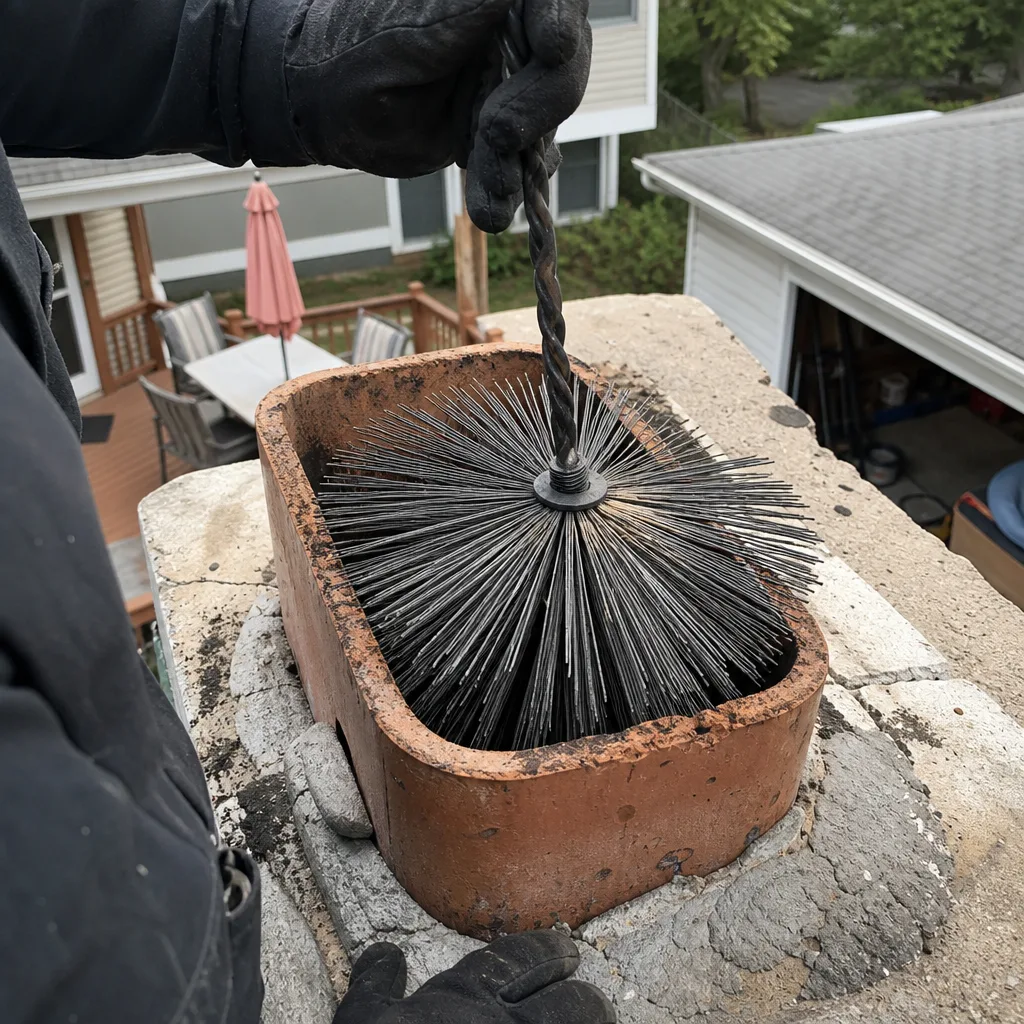
June and July are the slow months in the chimney trade. Most homeowners are not thinking about their fireplace. This is exactly why it is the best time to schedule major work.
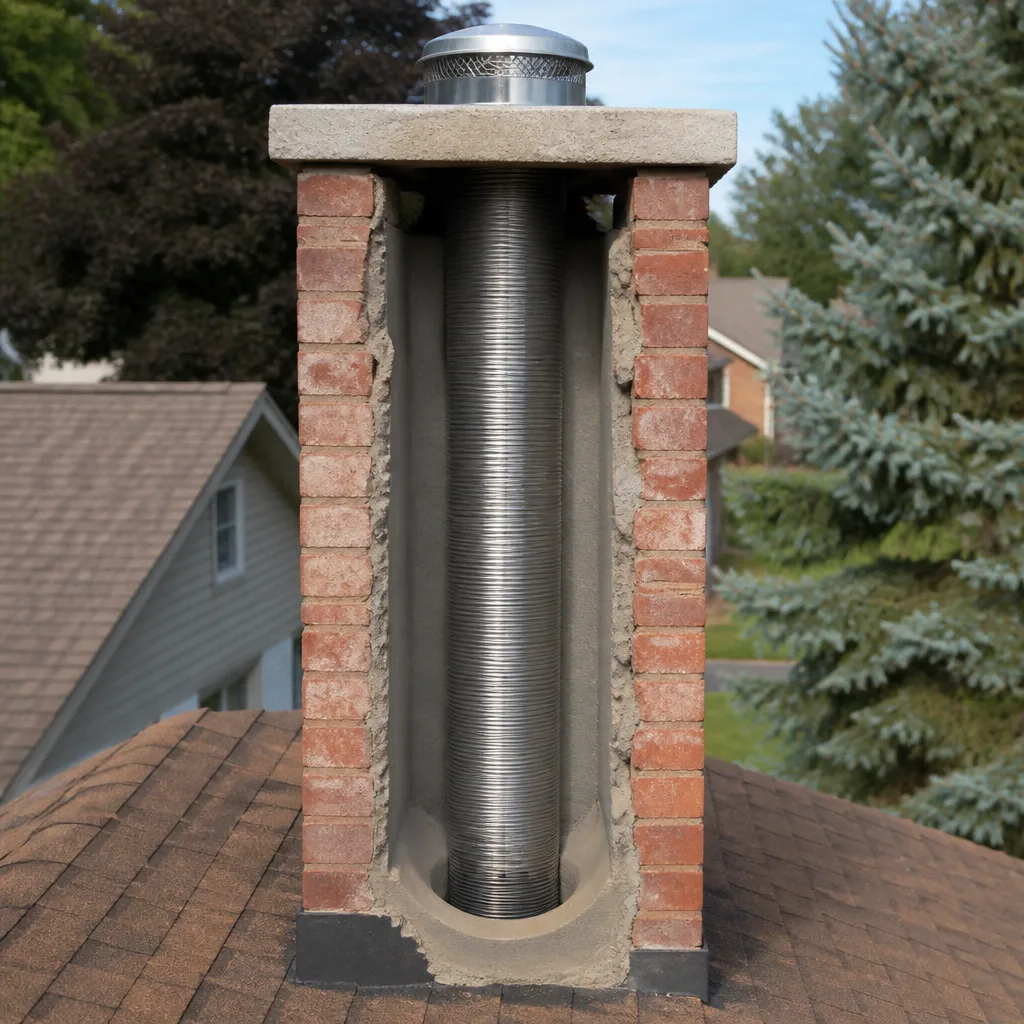
In Downers Grove, where many homes in Northside and Eastside neighborhoods still operate with unlined brick chimneys or deteriorated clay tile liners from the 1970s, summer is relining season. A stainless steel liner installation from DuraFlex or a cast-in-place HeatShield application requires cure time. HeatShield, a cerfractory flue sealant, needs 24-48 hours of ambient temperature above 50°F to achieve full cure strength. In October, you are gambling with weather windows. In June, you are guaranteed them.
Summer is also ideal for:
- Crown reconstruction - Portland-based crown mixes need controlled curing without rapid temperature drops
- Exterior masonry repair - tuckpointing and brick replacement in moderate temperatures produces stronger mortar bonds
- Chimney cap installation and sizing - custom caps from Gelco or Olympia Chimney can be measured and fabricated without weather delays
- Firebox and smoke chamber parging - refractory materials cure more predictably in summer humidity levels
The practical advantage is scheduling. Our calendar in June typically has availability within one to two weeks. In October, that stretches to four to six weeks. For a homeowner who discovers in September that their liner is compromised, a four-week delay means pushing first-fire date into November, or burning with a known hazard.
We also use summer inspections for homes that were inactive all winter. If you bought a Downers Grove home in spring or summer and have no documentation of prior chimney service, a June inspection gives you a baseline before you need the system. You receive a written scope, written price, and written warranty before any work begins, under Haven Standard Clause 1. The photo record goes into your file. When fall arrives, you know exactly what you have.
Fall (September-October): Booking Before the Backlog Hits
October 1 is the right target for Downers Grove’s typical first-fire date. Our first sustained overnight lows below 40°F usually arrive in the second week of October. By October 15, we are running full crews six days a week.
The backlog is real and predictable. Every year, roughly 40% of our annual calls come in a six-week window from September 15 to October 31. Homeowners who wait until they feel the first cold morning to call are looking at mid-November appointments. In 2023, our last available pre-Halloween slot in Downers Grove was booked by October 8.
September cleaning is the standard annual service for most households. It includes the NFPA 211 Level 2 inspection with camera scan, mechanical brushing of the flue, smoke chamber and firebox cleaning, and a documented photo record. For a typical single-flue masonry chimney in Downers Grove, this runs $289-$379. Two-flue systems, common in homes with a basement fireplace and main-floor fireplace, run $429-$549.
What September cleaning should include:
- Camera-scan inspection of the entire flue length - not a flashlight look from the top or bottom, but a documented video record
- Mechanical brushing with appropriate brush size and material - poly for stainless liners, wire for clay tile, specialized chains for glazed creosote
- Smoke chamber and firebox debris removal - including inspection of the damper assembly and throat
- Exterior condition assessment - crown, cap, flashing, and masonry visible from roof or ground
- Written report with photo documentation - delivered before the technician leaves, under Haven Standard Clause 4
If your spring inspection identified issues, September is when repairs are completed before first-fire. This is also when we verify that summer repairs have held, that caps are properly seated after any crown work, and that no new animal intrusion occurred during warm months when the flue was open.
For households that burned heavily the prior winter, September cleaning may reveal Stage 2 or Stage 3 creosote that requires more than standard brushing. Class III creosote, the hardened glaze that forms when combustion gases condense on cool flue surfaces, cannot be removed with standard brushes. It requires rotary chain systems or chemical treatment. Identifying this in September gives time for proper remediation. Finding it in November means either delaying use or accepting elevated risk.
Mid-Winter Check Triggers: When Usage Overrides the Calendar
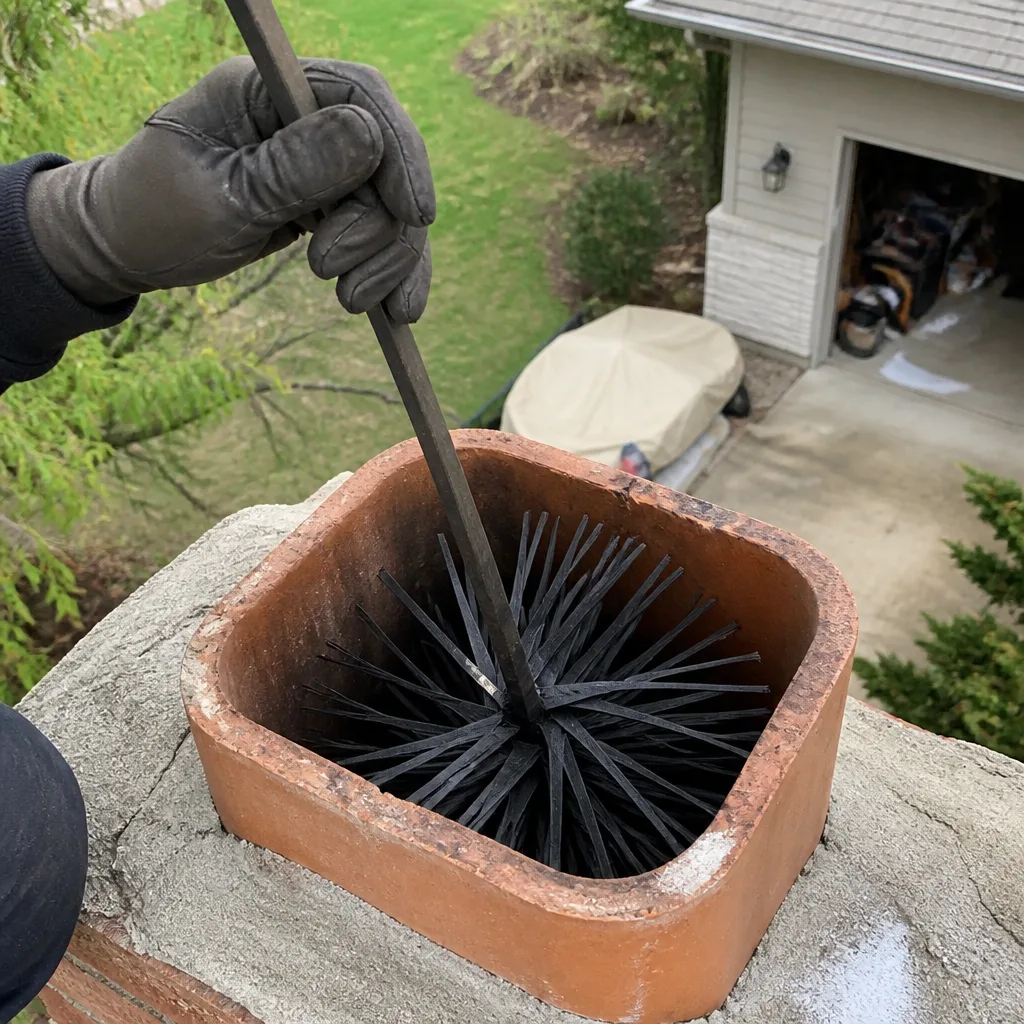
The calendar is a starting point. Actual burn volume is the real determinant. We have cleaned chimneys in January that were last serviced the previous September and found dangerous buildup. We have also inspected chimneys that had not been cleaned in eighteen months and found minimal residue. The difference is how they were burned.
Specific thresholds that warrant an unscheduled mid-winter inspection regardless of your annual schedule:
- More than two cords of seasoned hardwood burned since your last cleaning - this is the threshold where Stage 2 creosote typically develops in a standard masonry flue
- Wood stove operated as primary heat source - continuous low-temperature burns produce more condensation and creosote than intermittent hot fires
- More than 20 hours of fire time per week sustained over four weeks - this usage rate accelerates residue accumulation beyond annual cleaning capacity
- Visible smoke spillage into the room at startup - indicates blockage, damper malfunction, or negative pressure issues that need immediate diagnosis
- Strong, unusual odor from the fireplace when not in use - often indicates moisture intrusion combined with creosote saturation, a precursor to chimney fire conditions
- Audible cracking or popping from the flue during burning - can indicate liner crack expansion under thermal stress; stop burning and inspect
In Downers Grove, we see mid-winter calls spike after the first sustained cold snap below 10°F, typically in late January. Extreme cold causes rapid flue cooling between fires, which increases condensation and creosote formation. Homes with exterior chimneys on north-facing walls, common in the Downers Grove Golf Club area, are particularly susceptible because the masonry never fully warms.
A mid-winter inspection is not a full cleaning. It is a safety check. We verify flue clearance, check for obstruction, and assess whether continued burning is safe until spring cleaning can be performed. We provide a written assessment with photos. If continued burning is not advisable, we say so plainly. No work is recommended without camera evidence you can see for yourself.
Fuel-Type Variables: Gas, Wood, and Pellet Maintenance Cadences
The fuel you burn determines what your chimney needs. This is where generic “annual chimney cleaning” advice fails. Each fuel type produces different combustion byproducts, different residue patterns, and different risks.
Wood-Burning Fireplaces and Stoves
Wood is the most demanding fuel. Even well-seasoned hardwood, burned hot and dry, produces particulate matter, water vapor, and volatile organic compounds that condense in the flue. The creosote that forms is classified in three stages: Stage 1 is sooty and brushable; Stage 2 is flaky and requires more aggressive mechanical removal; Stage 3 is a hardened, glazed deposit that can only be removed with specialized equipment or chemical treatment.
For wood-burners in Downers Grove:
- Light use (decorative fires, less than one cord per season): annual cleaning in September, Level 2 inspection every two years
- Moderate use (one to two cords, weekend heating): annual cleaning in September, post-season inspection in March recommended
- Heavy use (two or more cords, primary or significant supplemental heat): September cleaning, March inspection, and potential mid-winter check
Gas Fireplaces and Inserts
Gas burns cleaner than wood but produces water vapor and corrosive condensates, particularly in high-efficiency direct-vent units. The common mistake is assuming gas means “no maintenance.” We inspect gas systems where the burner orifices are partially blocked, the pilot assembly is corroded, or the vent terminal is obstructed by vegetation or insect nests.
Gas fireplace owners in Downers Grove should schedule an NFPA 211 Level 2 inspection every two to three years. Annual service is recommended if:
- The unit is a primary heat source
- The home is in a mature neighborhood with heavy tree cover (increased debris and moisture)
- The unit is more than 10 years old
- You notice any odor, sooting, or irregular flame pattern
We do not clean gas flues in the same sense as wood flues. We inspect venting integrity, verify clearances, check combustion air supply, and document condition with photos.
Pellet Stoves
Pellet stoves are the most maintenance-intensive hearth appliance. The auger system, combustion blower, and venting assembly all require annual service. The vent pipe, typically 3- or 4-inch diameter, accumulates fly ash and can block completely if neglected. We clean and inspect the entire vent run, the combustion chamber, the heat exchanger, and the auger drive system.
Pellet stove users in Downers Grove need:
- Annual vent and combustion chamber cleaning - every year without exception, regardless of burn volume
- Auger and feed system inspection - pellet quality varies, and dust accumulation causes jamming
- Exhaust blower cleaning and amperage check - reduced airflow causes incomplete combustion and dangerous backup
Materials for pellet vent repairs and replacements come through our Haven buying network, sourced from Famco and Copperfield to keep pricing honest.
Downers Grove Climate Factors That Accelerate Chimney Wear
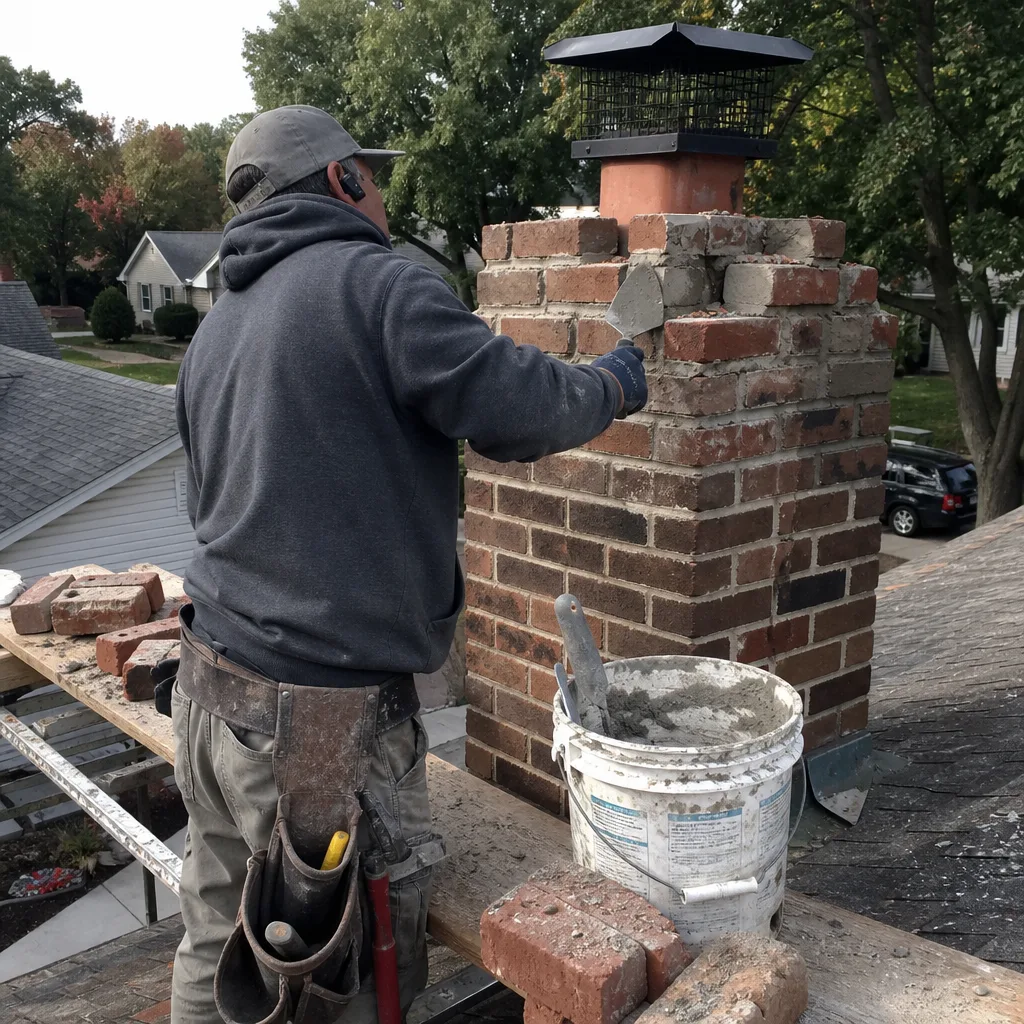
Downers Grove sits at the edge of the prairie-woodland transition, with Lake Michigan influence moderating temperatures but not eliminating extreme cold. Our specific climate creates chimney conditions that differ from both Chicago proper and more inland exurbs.
Freeze-thaw cycling: The Chicago metro area averages 30-40 freeze-thaw cycles per winter. Downers Grove, with its slightly higher elevation and more exposed western suburbs position, often exceeds this. Each cycle stresses mortar joints, crown integrity, and liner seals. Homes in Westmont-adjacent areas and near the DuPage River see additional moisture loading from higher water tables and soil saturation.
Road salt exposure: Downers Grove’s extensive salt use on Ogden Avenue, 63rd Street, and Main Street creates airborne chloride exposure for chimneys near major roads. Salt accelerates masonry deterioration, particularly in pre-1980 brick. We see accelerated spalling on chimneys within 100 feet of heavy salt routes.
Mature canopy and debris loading: The village’s tree preservation policies maintain dense canopy in most neighborhoods. This is aesthetically valuable but increases debris loading on chimneys. Maple samaras, oak catkins, and leaf litter accumulate on caps and in flues. Without proper screening, this material becomes a fire hazard and moisture trap.
Wind exposure: Southwest winds across open prairie accelerate crown and cap wear. We install Gelco and Olympia Chimney caps rated for higher wind exposure in exposed locations, particularly in newer developments on the village’s western edge where tree buffers are less mature.
These factors mean that a chimney in Downers Grove may deteriorate faster than identical construction in a more sheltered location. The inspection schedule should account for this.
What Actually Happens During a Professional Chimney Cleaning
We are specific about this because most homeowners have never watched the process. Understanding what should happen helps you evaluate what actually happened.
When our technician arrives at your Downers Grove home, you receive a text with their name and photo. They are background-checked, uniformed, and their license information is visible. They lay protective covering from the door to the fireplace and set up a HEPA vacuum system before opening the flue.
The process:
- Exterior assessment - roof or ladder inspection of crown, cap, flashing, and visible masonry condition, photographed
- Interior setup - drop cloths, vacuum, and lighting; damper removal if accessible and necessary
- Camera scan before cleaning - the full flue length is video-documented to establish baseline condition and identify any damage that brushing could worsen
- Mechanical cleaning - rotary or hand brushing with brushes sized to the flue diameter; poly brushes for stainless liners, wire for clay tile, chain systems for glazed creosote
- Smoke chamber and firebox cleaning - hand brushing and vacuuming of the area above the damper and the firebox floor
- Camera scan after cleaning - verification that all accessible deposits are removed and no damage was caused by the process
- Component function check - damper operation, damper seal, firebox integrity, hearth clearance verification
- Written documentation - scope of work, findings, recommendations, and price for any needed repairs, delivered before departure
The entire process for a standard single-flue system takes 60-90 minutes. You receive the photo record, typically 15-30 images, under Haven Standard Clause 4. If we find conditions requiring repair, we explain what the camera shows, provide a written price, and specify what can safely wait versus what should be addressed before next use. Nothing is recommended without evidence you can see.
Common Mistakes to Avoid
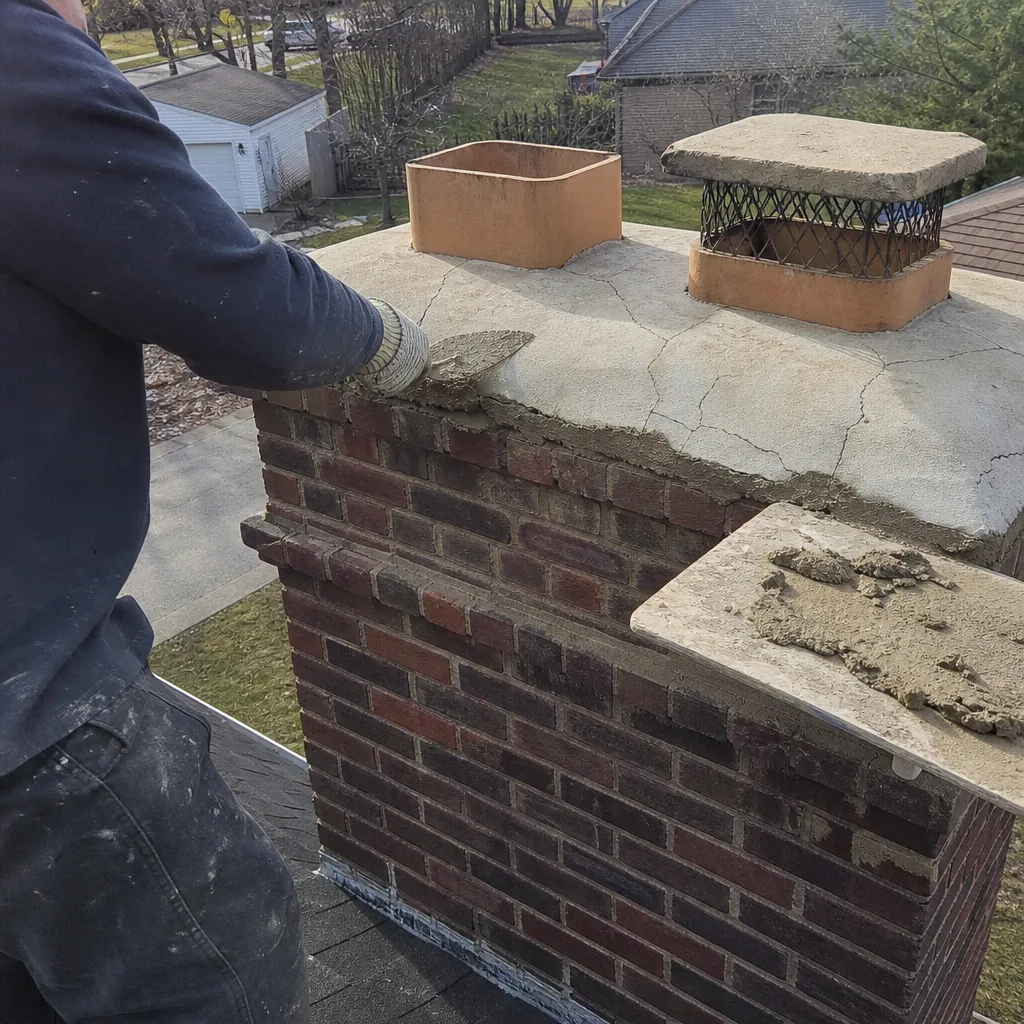
- Waiting for October to call - by then, the backlog in Downers Grove stretches to November; book your September slot in August
- Assuming gas means no inspection - gas venting systems corrode, block, and deteriorate; they need scheduled assessment every two to three years
- Ignoring spring inspection after heavy burning - the residue you leave in the flue all summer continues to degrade the liner through acidic action and moisture absorption
- Hiring based on lowest price without verifying what’s included - a $99 “sweep special” that omits camera inspection and documentation leaves you with no record and potentially missed hazards
- Installing a chimney cap yourself without proper sizing - ill-fitting caps create condensation problems and can block airflow; we measure for proper draw and use Famco and Copperfield components sized to the flue
- Burning unseasoned or softwood to save money - green wood and pine produce significantly more creosote; the savings on fuel are lost in accelerated cleaning costs and fire risk
- Skipping mid-winter checks when usage spikes - the calendar does not know how many cords you burned; usage thresholds should trigger inspection regardless of date
When to Call a Professional
Call for an unscheduled inspection if you see smoke spillage at startup, smell unusual odors from the fireplace when not in use, hear cracking from the flue during burning, or if your burn volume has exceeded two cords since your last service. These are not “wait and see” conditions.
For scheduled maintenance, book your September cleaning by August 15 to secure pre-backlog availability. Schedule spring post-season inspections in February for March execution. Plan major repairs and relining work for June or July.
Chimney Cleaning & Sweep in Downers Grove from Emberly Chimney Cleaners Downers Grove includes the NFPA 211 Level 2 camera inspection, documented photo record, and written price before work starts on every visit. We have completed more than 38,000 chimney inspections and cleanings since 2009, every one with a written price before work started and a documented record when it was done. Emberly Chimney Cleaners Downers Grove offers free estimates in Downers Grove - call (331) 253-4980.
Frequently Asked Questions
A standard single-flue chimney cleaning with NFPA 211 Level 2 camera inspection in Downers Grove typically costs $289-$379. Two-flue systems run $429-$549. This includes the documented photo record, written findings, and written price for any recommended repairs before work begins. Call (331) 253-4980 for an exact quote - estimates are free.
Most wood-burning households need one professional cleaning annually, ideally in September before first-fire. Homes burning more than two cords per season or using wood as primary heat should add a post-season inspection in March. Gas fireplace owners need Level 2 inspection every two to three years, not annual cleaning. Pellet stoves require annual vent and combustion chamber service without exception.
We recommend liner replacement only when camera inspection shows a condition that compromises safety, and we show you the footage before suggesting any work. Clay tile with hairline cracks may be monitorable. Tile with missing sections, significant spalling, or gaps at joints requires replacement because combustion gases can enter wall cavities. Stainless steel liners from DuraFlex carry a lifetime warranty when properly installed. We will tell you plainly when a condition can be monitored versus when it requires immediate action.
Skipped cleaning allows creosote accumulation, which restricts flue diameter and increases fire risk. Stage 3 glazed creosote ignites at approximately 451°F, and chimney fires can exceed 2,000°F, damaging liners and adjacent structure. More commonly, gradual blockage causes carbon monoxide backup into living spaces, particularly in tightly sealed modern homes. The risk is not hypothetical - we document the conditions that cause both outcomes.
Cleaning and inspection can be performed year-round. Major repairs involving masonry, crown reconstruction, or relining are best scheduled for temperatures above 50°F to ensure proper material curing. Emergency repairs can be performed in cold weather with appropriate measures, but quality and durability are compromised. We schedule non-urgent repairs for weather-appropriate windows and explain the trade-offs when winter work is necessary.
Level 1 is a visual inspection of readily accessible portions, appropriate for chimneys with no changes and continued use under the same conditions. Level 2, which we perform on every visit, includes camera scan of the full flue interior, accessible portions of the attic and basement, and examination with a light and mirror. Level 2 is required by NFPA 211 for real estate transactions, after chimney fires, or when any change to the system occurs. We made Level 2 our default in 2009, before it was widely required, because flashlight inspections miss what cameras find.
The Bottom Line
The right chimney maintenance schedule for your Downers Grove home depends on what you burn, how much you burn, and the specific conditions your chimney faces. The “once a year in fall” default serves marketing calendars, not engineering reality. Heavy wood users need post-season inspection in March. Major repairs need summer scheduling. Gas and pellet systems need their own distinct cadences. Book September cleanings by August 15. Use spring for diagnosis, summer for repair, and mid-winter for safety checks when usage demands. The camera shows what the calendar cannot.
Written by Corrine Halstead, Owner at Emberly Chimney Cleaners Downers Grove, serving Downers Grove since 2009.