
Last updated September 22, 2026
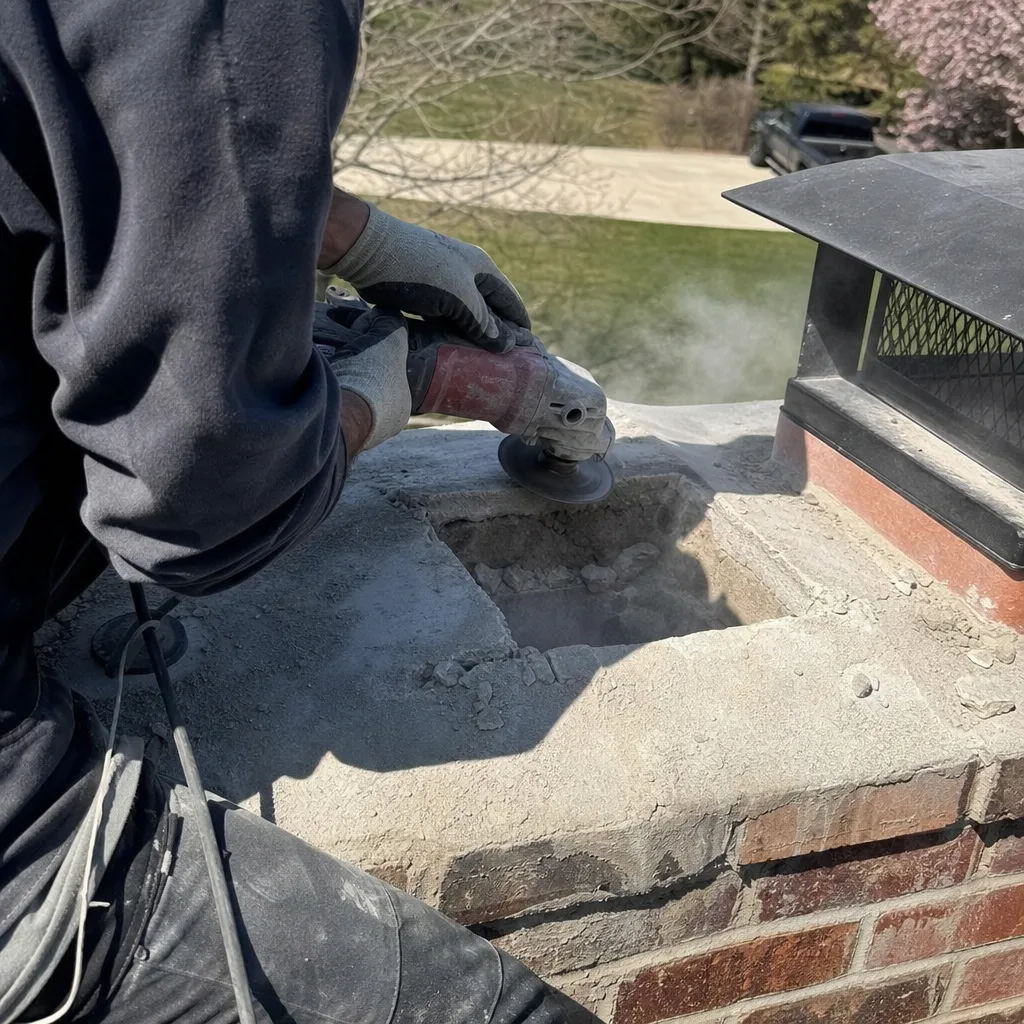
Level 1 sweep and inspection to the NFPA 211 annual standard - flue, crown, cap, and flashing checked and photographed
Chimney sweep logs do not sweep chimneys. They loosen some creosote - which then falls where a brush and vacuum still have to collect it.
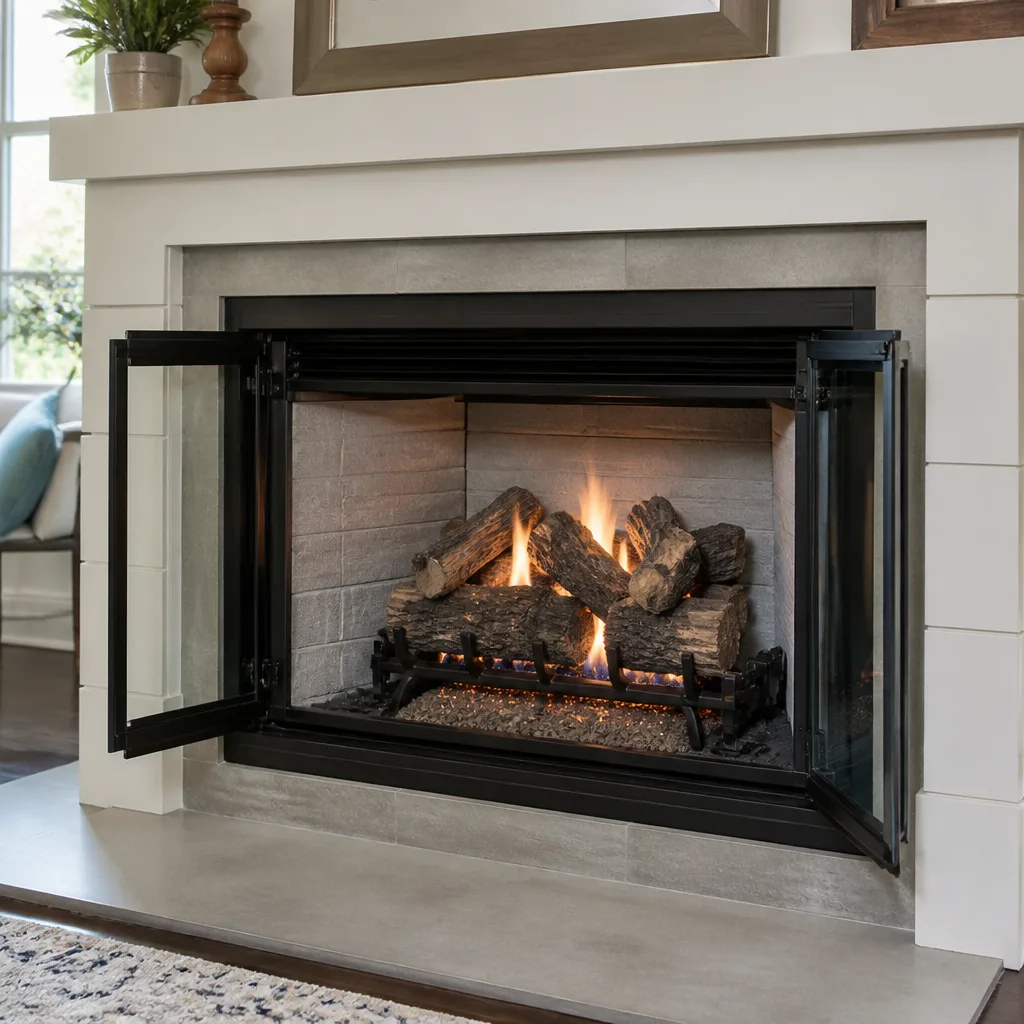
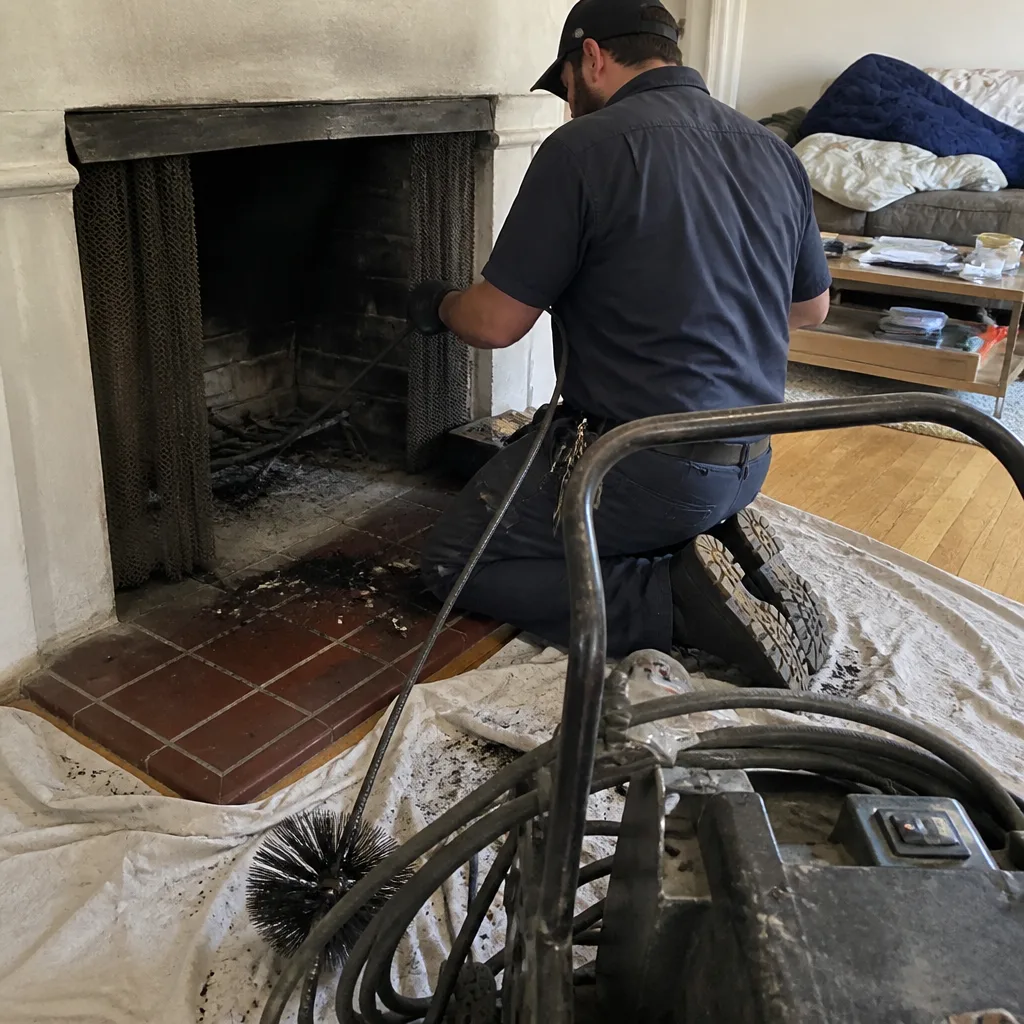 Before
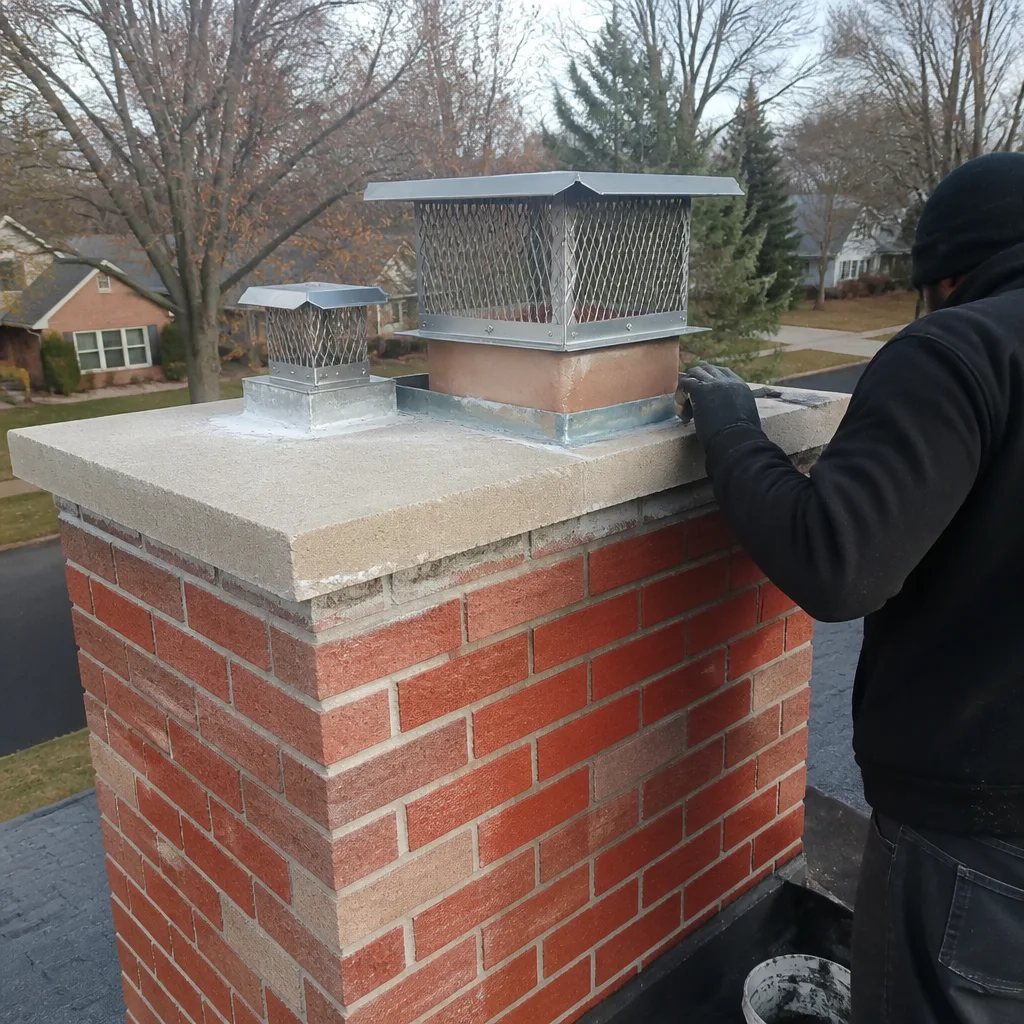 After
After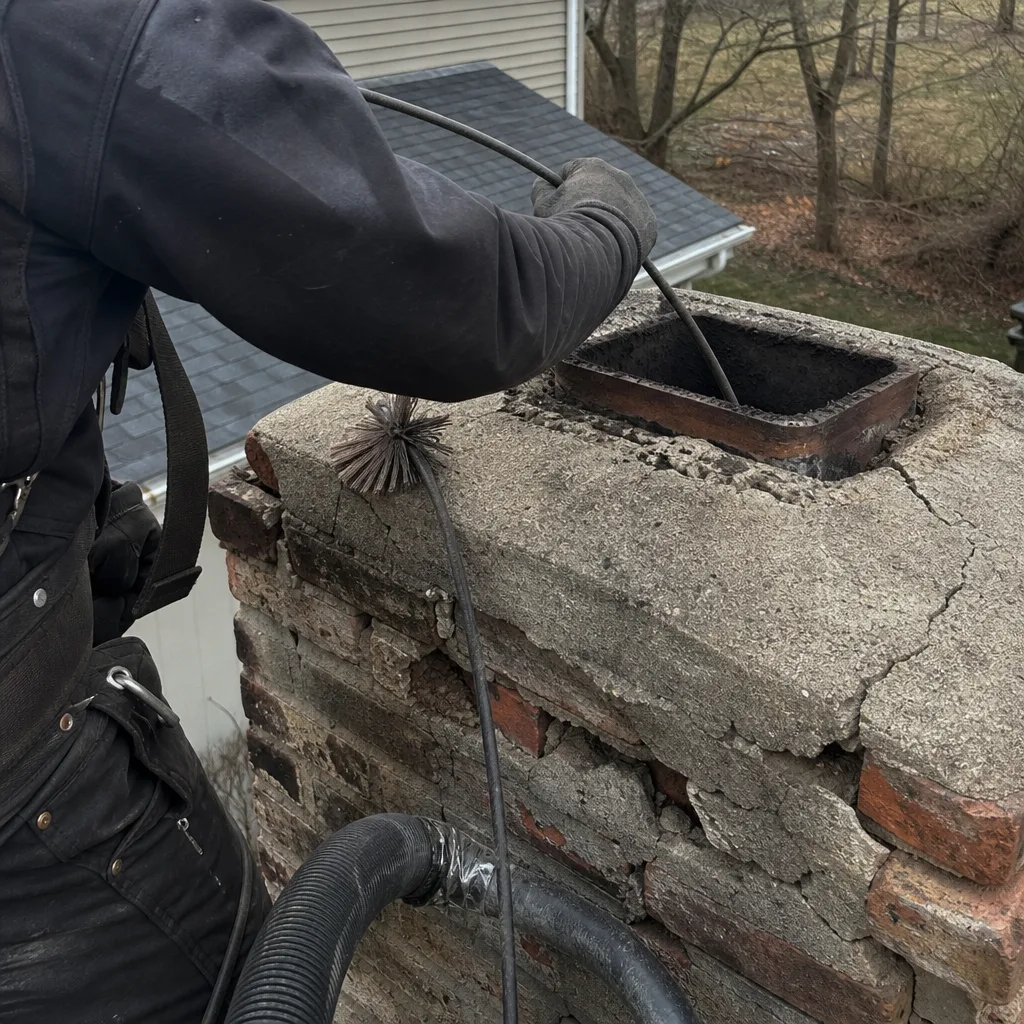 Before
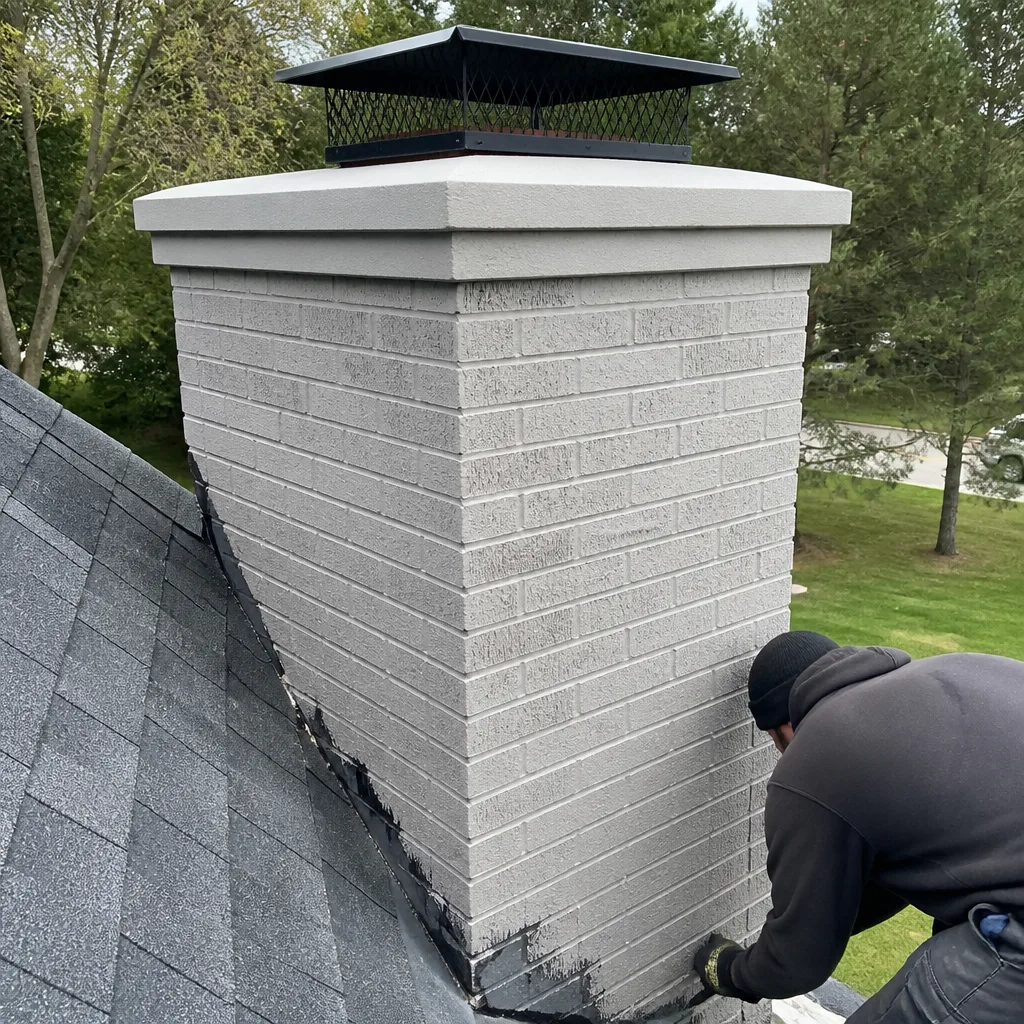 After
After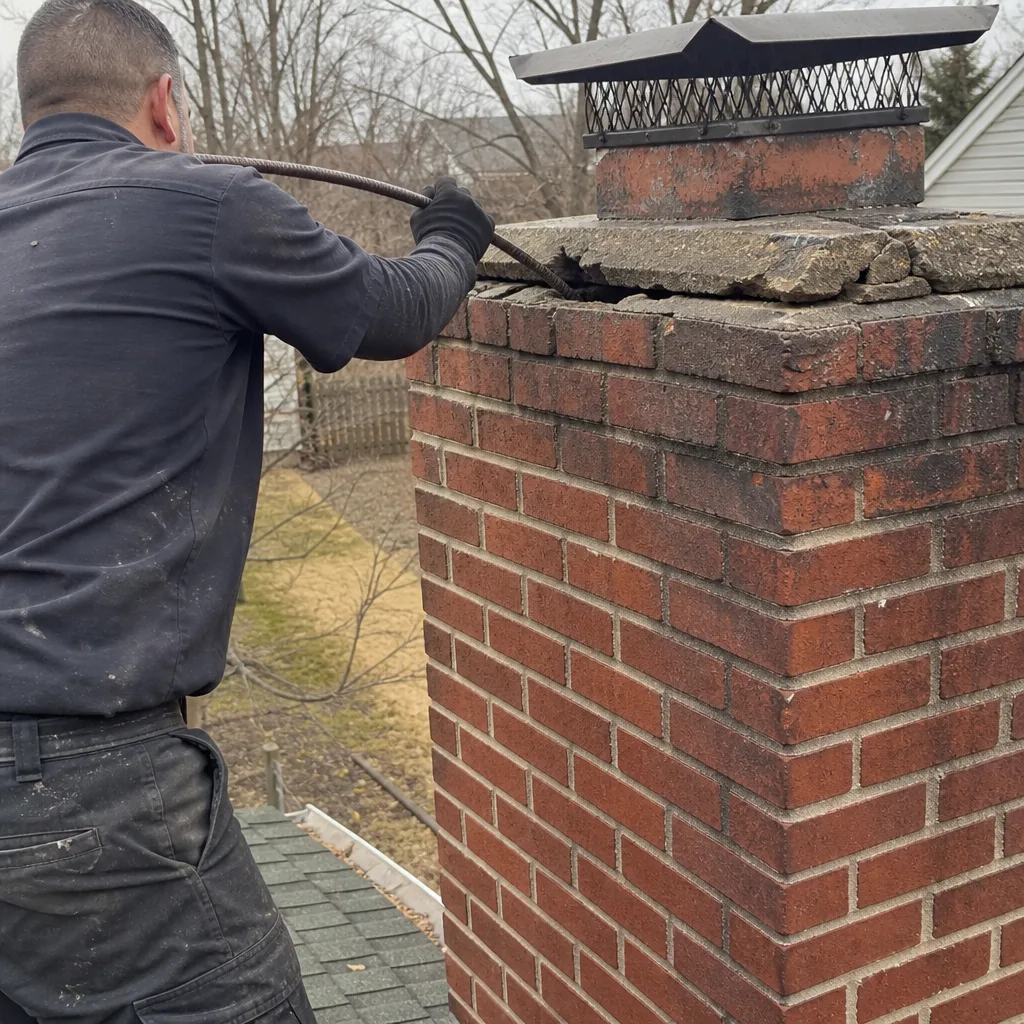 Before
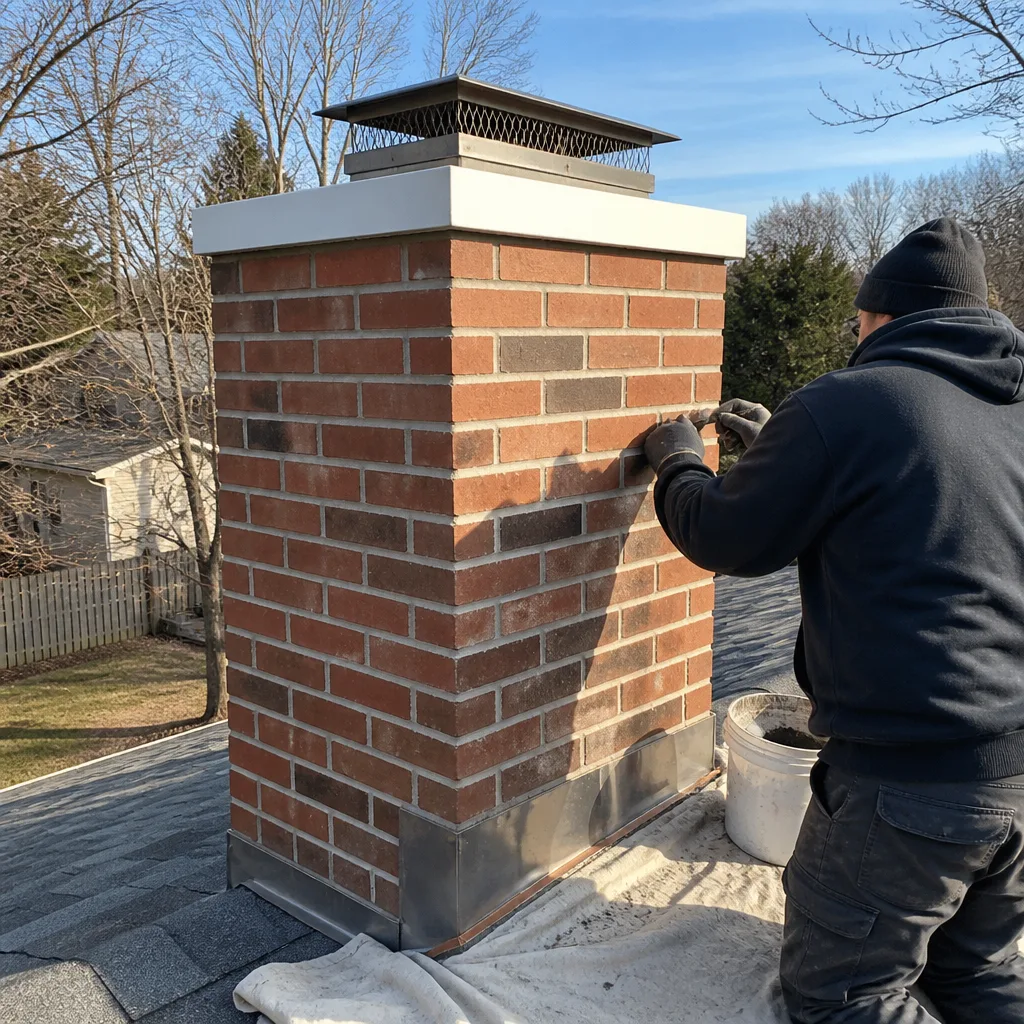 After
AfterThe Complete Guide to Chimney Cleaning in Downers Grove
The NFPA reports that 27% of home heating fires involve chimneys that were cleaned but never camera-inspected. The sweep removed the creosote, but the cracked flue liner underneath stayed hidden. In Downers Grove, where clay soil shifts and freeze-thaw cycles run from October through April, that gap between cleaning and inspection is where the real risk lives. This guide separates what chimney cleaning actually accomplishes from what it cannot catch without a camera, and shows you exactly what documentation to demand before anyone leaves your home.
Quick Answer
Professional chimney cleaning in Downers Grove costs $189-$349 for a standard sweep with NFPA 211 Level 2 camera inspection and written documentation included. The service removes combustible creosote buildup, identifies structural defects that cleaning alone cannot reveal, and produces a documented record required by most home insurers. For help choosing a provider, see our guide on how to hire a chimney cleaning contractor in Downers Grove. A proper visit takes 60-90 minutes and should leave you with photos, a written condition report, and a written price for any recommended repairs before work begins.
Table of Contents
- What Chimney Cleaning Actually Includes (And What It Doesn’t)
- The Three Phases: Why Removal, Inspection, and Documentation Have Different Price Tags
- Creosote Stages Explained: When Brushing Isn’t Enough
- Downers Grove and DuPage County Conditions That Accelerate Chimney Damage
- CSIA-Certified Sweep vs. NFPA 211 Level 2 Inspection: Know What You’re Buying
- What Your Service Record Should Contain for Insurance and Resale
- Chimney Cleaning Pricing in Downers Grove: What Affects the Cost
- Common Mistakes to Avoid
- When to Call a Professional
- Frequently Asked Questions
BeforeAfterWhat Chimney Cleaning Actually Includes (And What It Doesn’t)
Most homeowners in Downers Grove hear “chimney cleaning” and picture a brush on a rod. That’s phase one, and it’s only part of the picture.
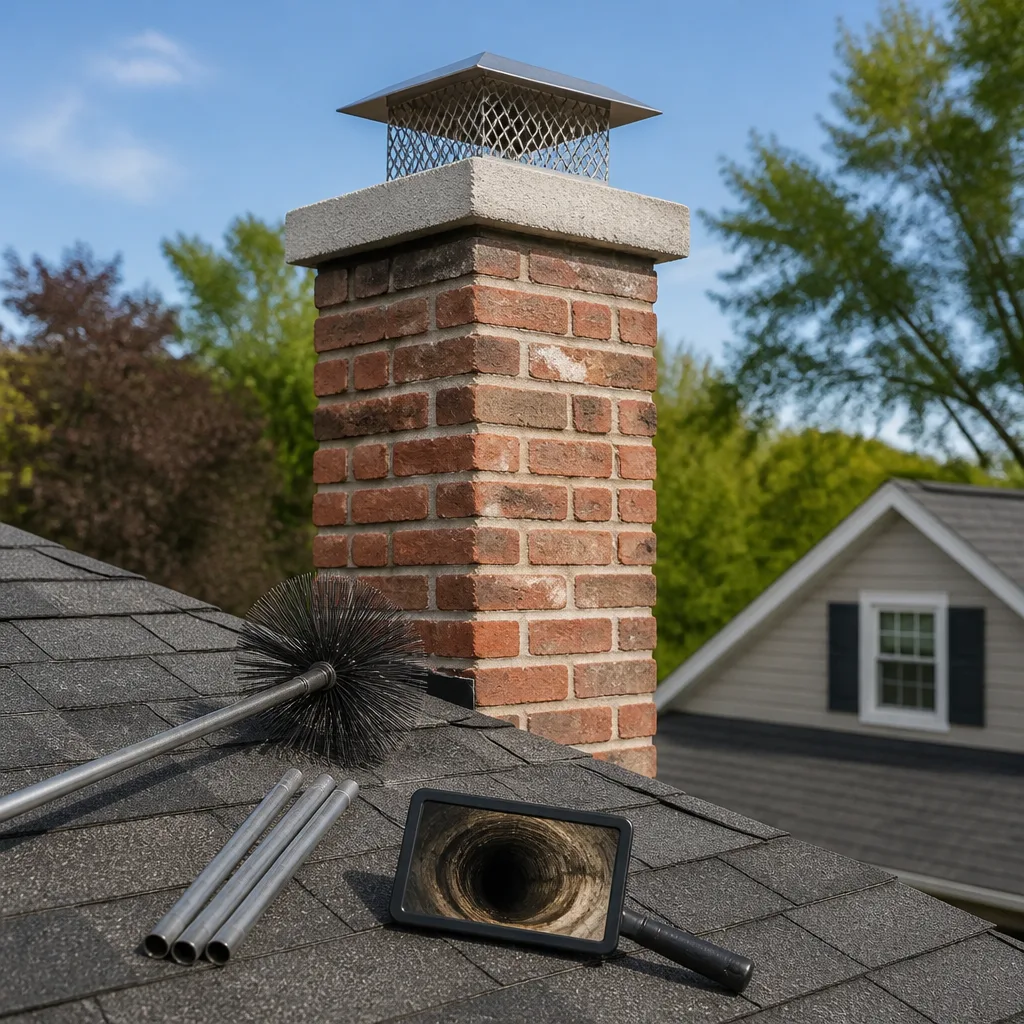
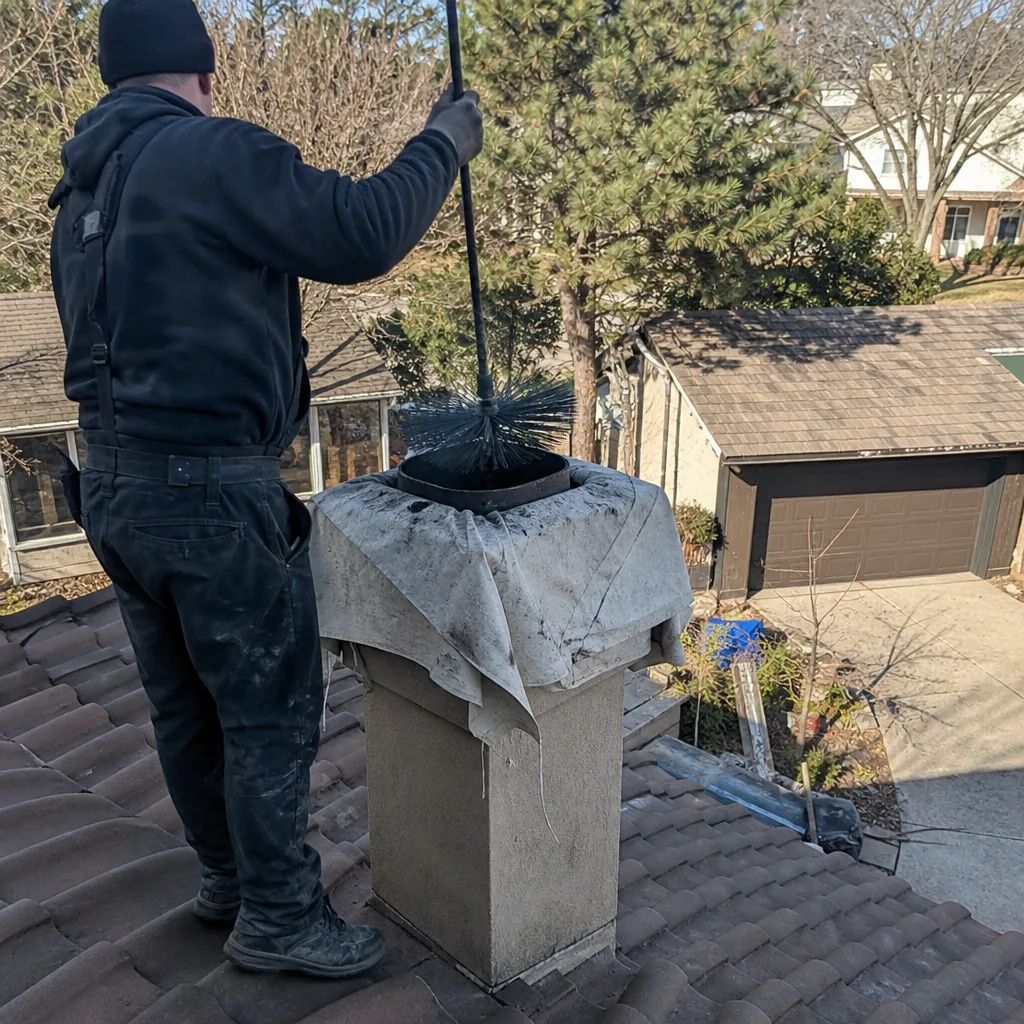
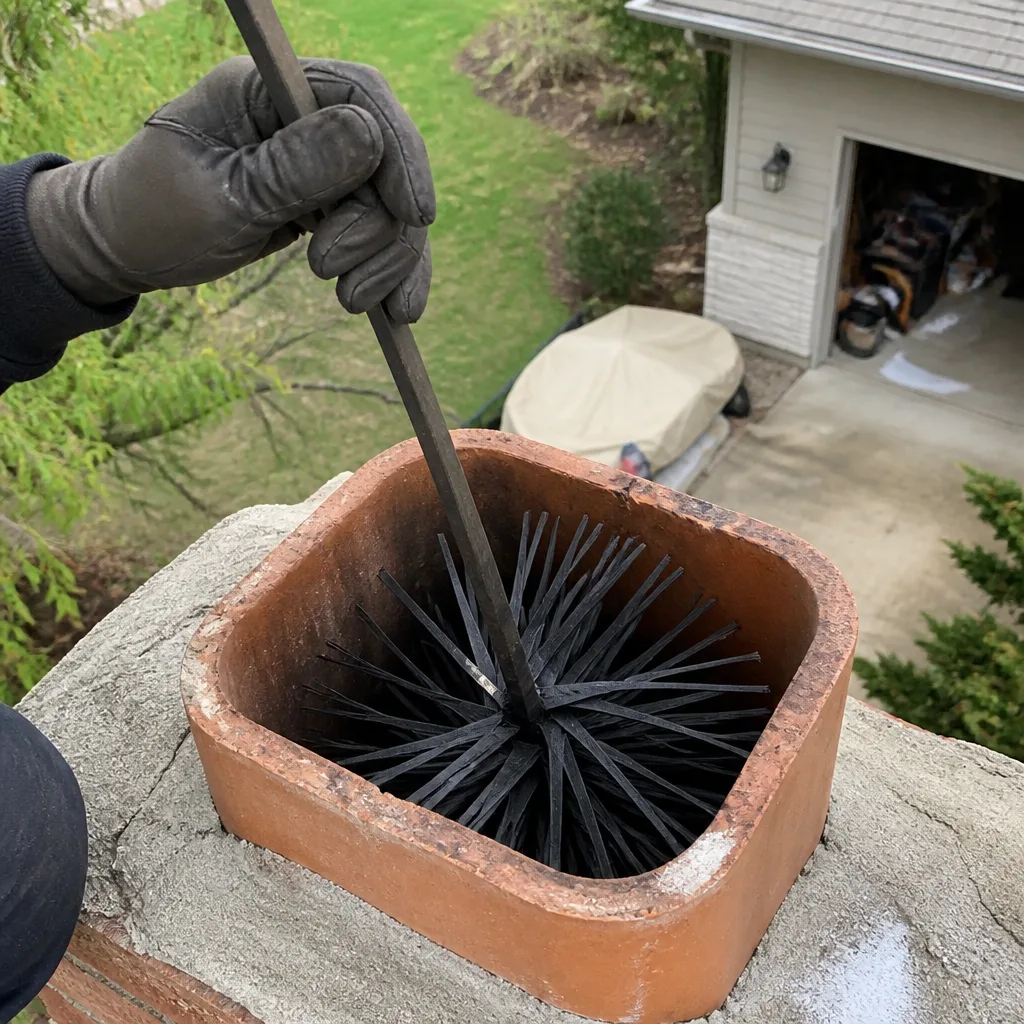
A mechanical sweep uses wire or poly brushes sized to your flue diameter, powered by a rotary driver or manual rods, to dislodge soot and creosote deposits. The debris is collected with a high-powered vacuum equipped with HEPA filtration. This removes the fuel source for chimney fires.
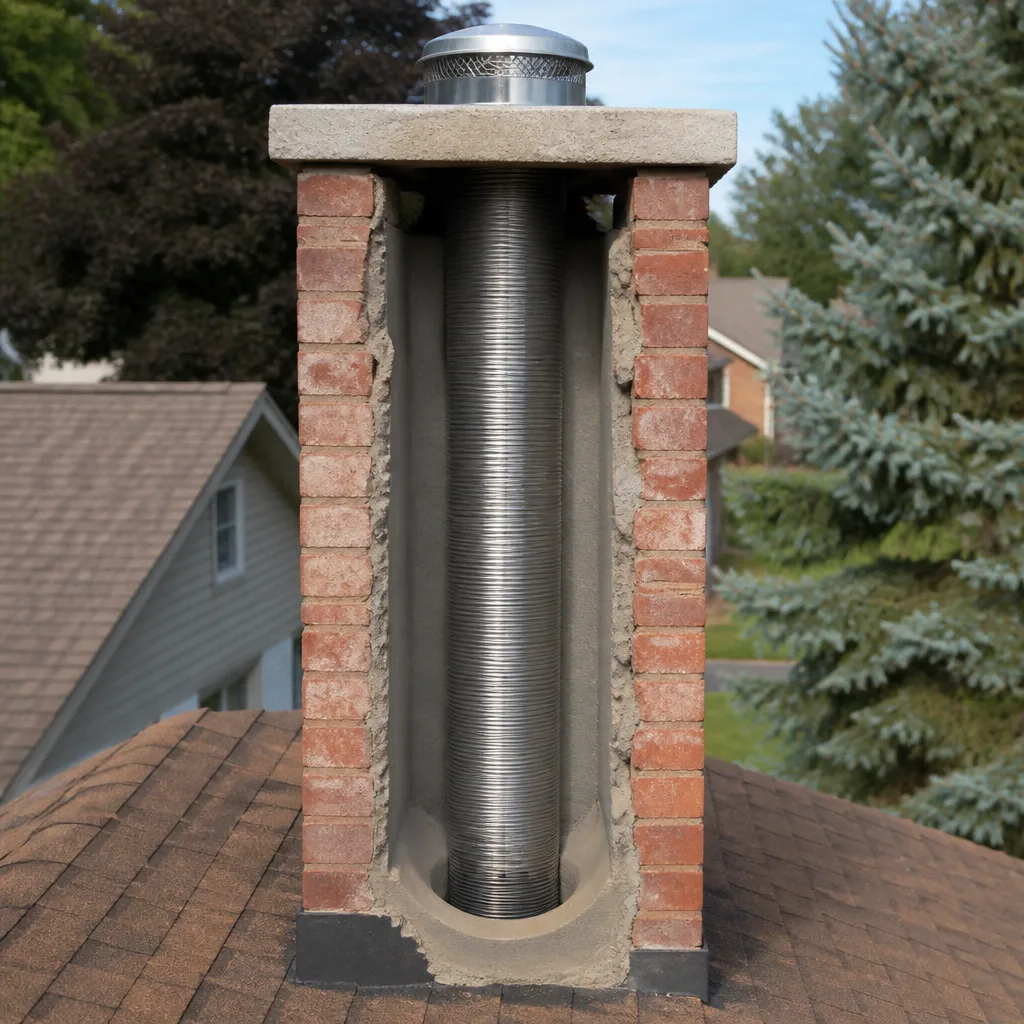
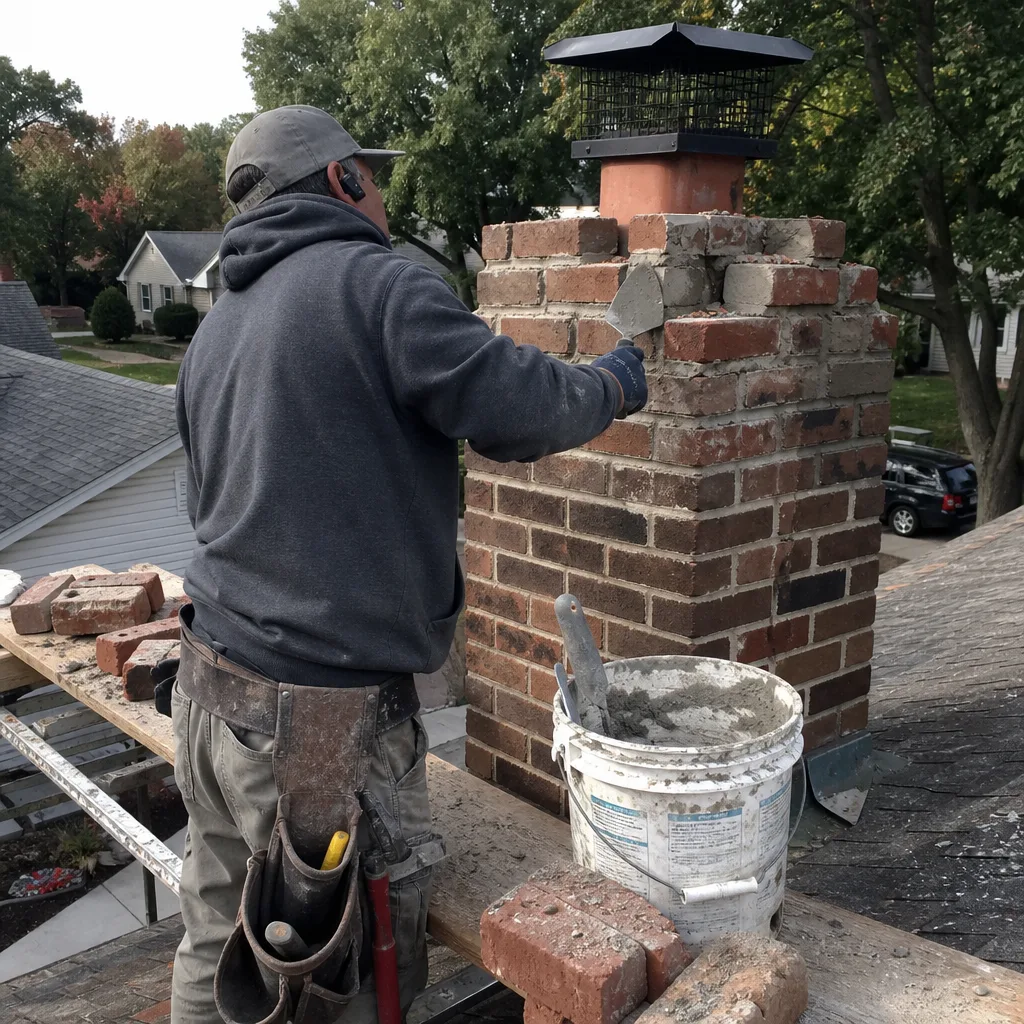
But cleaning does not reveal what’s behind that fuel source. It cannot show a hairline crack in a terracotta flue liner, which is the standard construction in homes built before 1990 throughout Downers Grove and eastern DuPage County. It cannot detect spalling brick in the smoke chamber, the area above the firebox where combustion gases collect before entering the flue. It cannot identify a deteriorated chimney crown that lets water migrate down the flue during March freeze-thaw cycles.
These conditions require inspection, not cleaning. And inspection requires equipment most sweep companies do not bring as standard.
At Emberly Chimney Cleaners Downers Grove home, we’ve completed more than 38,000 chimney inspections and cleanings since 2009. Every single visit includes a camera-scan inspection and documented photo record under Haven Standard Clause 4. We made this the default practice years before regulators or insurers asked for it, because cleaning without documentation is incomplete work.
The Three Phases: Why Removal, Inspection, and Documentation Have Different Price Tags
Understanding the separation between these three phases protects you from paying for one and assuming you’ve received all three.
Phase 1: Mechanical Removal
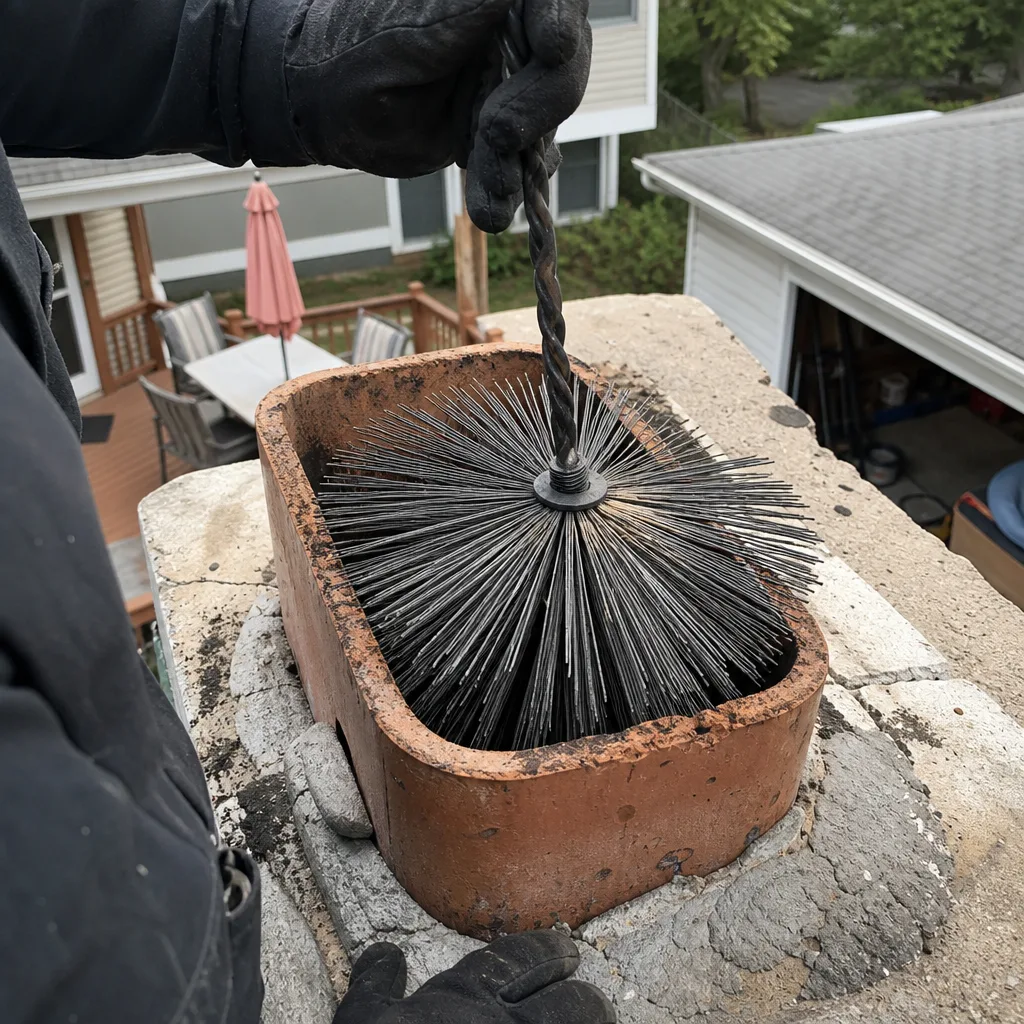
This is the sweep itself. A technician selects brushes matched to your flue liner diameter, typically 6″, 8″, or 10″ for residential systems in Downers Grove. Rotary cleaning at 450-600 RPM dislodges deposits while a vacuum captures airborne particulate. For a standard wood-burning fireplace with normal use, this takes 30-45 minutes.
The price for removal alone in the Downers Grove market typically runs $129-$189. This is what you’ll find advertised on coupon sites and mailers. It is also, by itself, insufficient for safe operation.
Phase 2: Camera Inspection
An NFPA 211 Level 2 inspection requires a camera capable of traversing the full flue length, from firebox to crown, with illumination and recording capability. The technician documents liner condition, joint alignment, mortar deterioration, and any obstructions or animal intrusion.
In our experience across Downers Grove neighborhoods from Belmont to Lacey to Highland Avenue, we regularly find cracks within 18 inches of the smoke chamber that no flashlight inspection could reveal. The camera also captures the condition of the chimney crown from below, identifying spalling or separation that precedes water damage.
Camera inspection adds $60-$120 to the base sweep price in this market. Companies that bundle it as “free” are typically recovering the cost in repair recommendations you cannot verify.
Phase 3: Written Documentation
This is the deliverable that separates a transaction from a record. You should receive:
- A written condition report with photo documentation of findings
- A written price for any recommended repairs, with scope detailed before work begins
- A written warranty for work performed
- A dated service record with technician identification
Haven Standard Clause 1 requires a written price, written scope, and written warranty delivered before anyone starts work. Clause 4 requires a documented photo record on every job. These are not optional add-ons. They are the minimum standard for a service that affects your home insurance coverage and resale disclosure obligations.
The full three-phase service in Downers Grove runs $189-$349 depending on system complexity, accessibility, and creosote condition. Chimney Sweep in Downers Grove from Emberly includes all three phases as standard, not as upgrades.
Creosote Stages Explained: When Brushing Isn’t Enough
Creosote forms in three distinct stages, and each requires a different approach. Misidentifying the stage leads to incomplete removal and continued fire risk.
Stage 1: Sooty or Powdery Deposits
Fresh, light-colored, easily brushed away. Standard rotary cleaning removes it completely. This is what you’ll see after a season of clean-burning hardwood use with proper airflow. Most Downers Grove homeowners with annual maintenance never progress past this stage.
Stage 2: Crunchy or Flaky Deposits
Darker, granular, requires more aggressive brushing. Still removable with mechanical action alone, but the technician must use stiffer brushes and possibly chains to break the material free. This stage indicates intermittent smoldering or green wood use.
Stage 3: Glazed or Tar-Like Deposits
Shiny, hardened, enamel-like coating that adheres to liner walls. This is the dangerous stage. It cannot be brushed off with standard equipment. Attempting to do so risks glazing it further through heat and compression.
Stage 3 creosote requires chemical treatment with a powder or spray desiccant, typically containing magnesium chloride or similar compounds, applied during the initial visit. The chemical fractures the glaze over 7-14 days of heating cycles. A return visit then completes mechanical removal.
This two-visit process costs $449-$689 in the Downers Grove market, depending on flue length and accessibility. Any company that claims to remove Stage 3 creosote in a single standard sweep is either misidentifying the stage or leaving material in place.
We inspect with the camera before cleaning begins specifically to identify creosote stage. In homes near the Des Plaines River valley where oak and hickory are common but seasoning practices vary, we see Stage 3 deposits in roughly 15% of first-time customers who believed their annual “brush-out” was sufficient.
Downers Grove and DuPage County Conditions That Accelerate Chimney Damage
Local geography and climate create specific risks that generic chimney advice misses.
Clay Soil Movement
Downers Grove sits on the Valparaiso Moraine and underlying clay deposits that expand and contract with moisture changes. This seasonal soil movement transfers stress to chimney foundations, particularly on homes built between 1950 and 1985 with shallow footings. The result is vertical cracking in terracotta flue liners, often at joint locations, that progresses from hairline to structural over 3-5 years.
We’ve documented this pattern repeatedly in the Highland Avenue corridor and near Washington Park, where post-war construction is concentrated. Camera inspection reveals the cracks before they allow combustion gases to reach surrounding masonry.
Freeze-Thaw Cycling
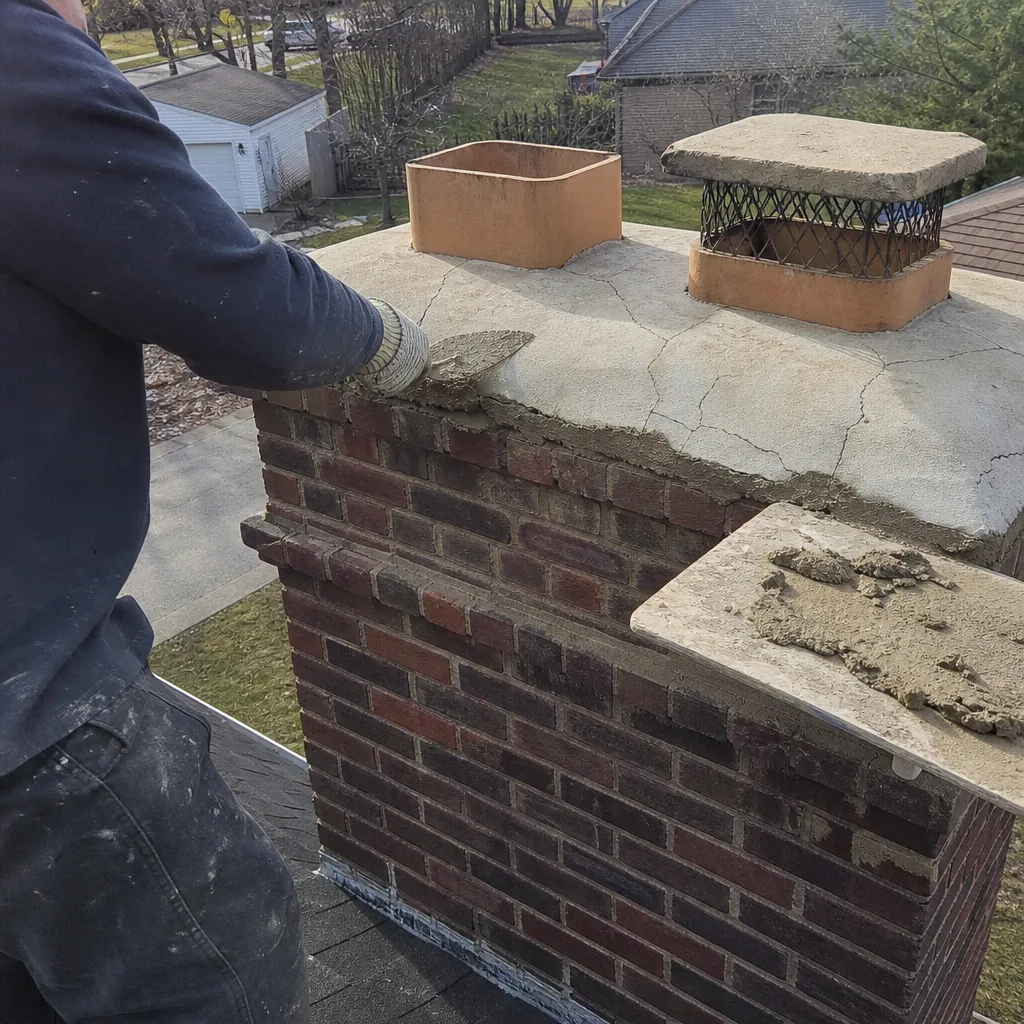
The Chicago metro area averages 25-30 freeze-thaw cycles annually. Water enters crown cracks or deteriorated mortar joints in late fall, freezes overnight, and expands with 9% volumetric increase. This spalls brick faces and separates chimney crowns from flue tile.
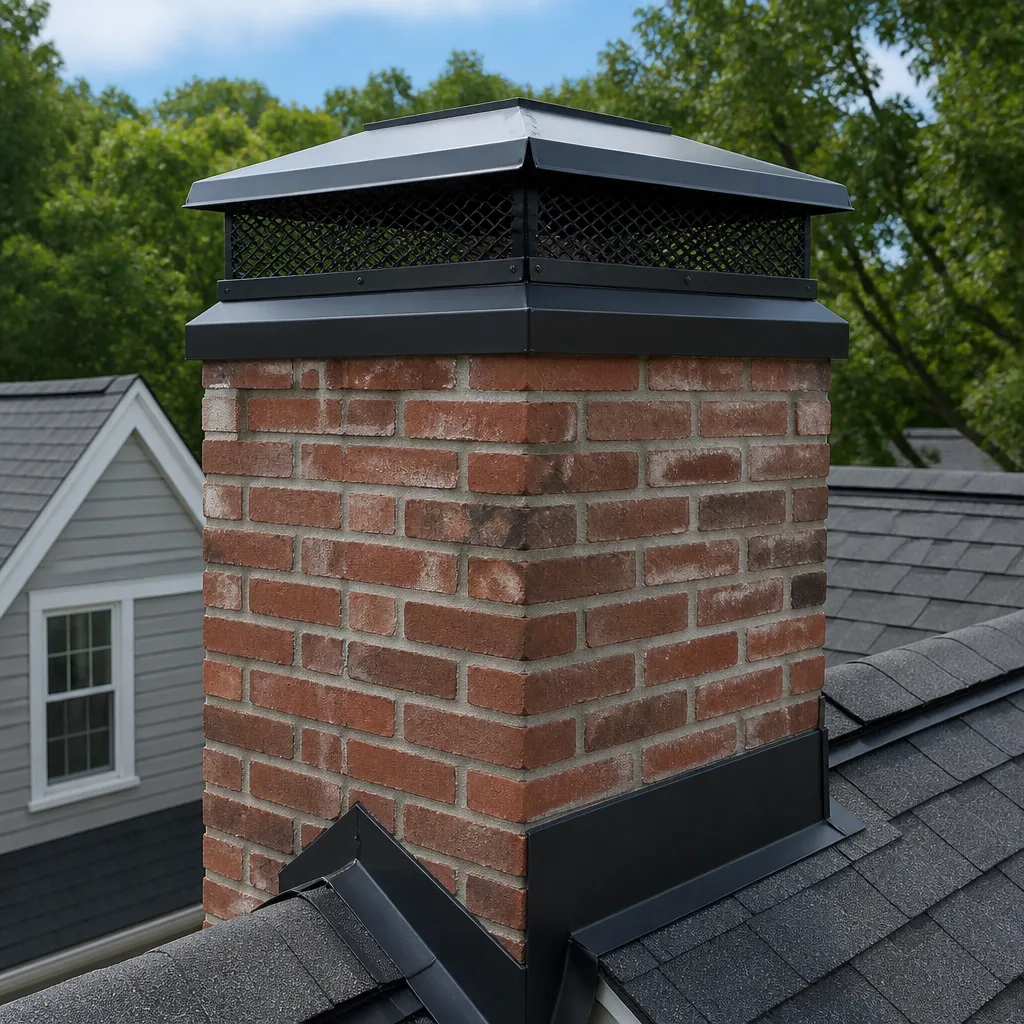
Homes without proper chimney caps, or with galvanized caps that rust through after 8-12 years, show accelerated deterioration. We source replacement caps from Gelco and Famco through our Haven buying network, specified for the wind exposure and precipitation patterns of DuPage County.
Proximity to Mature Tree Canopy
Downers Grove’s established neighborhoods, particularly south of 55th Street and in the Lyman Woods vicinity, have dense mature canopy. This increases leaf and debris intrusion, accelerates crown deterioration from organic acid exposure, and creates habitat for squirrels and raccoons that damage caps and enter flues.
Annual inspection catches animal intrusion before nesting material blocks the flue or ignites. We include cap condition and screening integrity in every Level 2 inspection.
Local Burning Season Patterns
Downers Grove homeowners typically begin consistent fireplace use in late October and continue through March. This 5-6 month season, combined with the area’s high efficiency of modern airtight homes, creates conditions for incomplete combustion and accelerated creosote formation. Reduced makeup air means lower flue temperatures and more condensation of combustion byproducts.
We recommend inspection timing in September, before the season begins, to identify summer water intrusion and address it before first fire. Waiting until November means competing for appointment slots with homeowners who discovered problems on first use.
CSIA-Certified Sweep vs. NFPA 211 Level 2 Inspection: Know What You’re Buying
Homeowners frequently conflate two distinct credentials, and companies profit from the confusion.
A CSIA-certified sweep (Chimney Safety Institute of America) has completed training in chimney sweeping techniques, basic inspection, and safety practices. Certification indicates competence in mechanical cleaning and visual assessment of accessible components. It does not, by itself, require camera equipment, documentation standards, or written reporting.
An NFPA 211 Level 2 inspection is a defined protocol from the National Fire Protection Association, not a person-level certification. It requires examination of accessible and accessible-by-reasonable-means portions of the chimney structure, including camera inspection of the flue interior when conditions permit. It requires written documentation of findings. It is the standard requested by home insurers after claims and required by most real estate transactions.
The critical difference: a CSIA-certified technician can perform a Level 1 inspection (visual only, no camera) and still represent themselves as certified. Many do, particularly at the low-price end of the Downers Grove market. The homeowner receives a sweep and a verbal “looks good,” with no record suitable for insurance or resale.
Emberly Chimney Cleaners named itself for the inspection standard, not the person credential. Every visit performs NFPA 211 Level 2 as standard. Our technicians hold CSIA certification as baseline qualification, but the service delivered is defined by the protocol, not the individual credential.
When comparing quotes, ask specifically: “Does this include NFPA 211 Level 2 camera inspection with written report?” If the answer references technician certification rather than protocol compliance, you are likely buying a Phase 1 sweep with Phase 1 pricing and Phase 3 risk. See our DIY vs professional chimney cleaning comparison for additional context.
What Your Service Record Should Contain for Insurance and Resale
After any chimney service, you should receive documentation that serves three purposes: proving maintenance for insurance claims, satisfying buyer due diligence in resale, and establishing baseline condition for future comparison.
The Minimum Document Set
Every service record should include:
- Dated service invoice with company name, address, and license information
- Technician identification - name and certification number
- Written scope of work performed - sweep, inspection level, any repairs
- Photo documentation - minimum 8-12 images showing flue interior, smoke chamber, firebox, damper, crown, and exterior condition
- Written condition assessment - specific findings, not generic “satisfactory” language
- Written price for recommended repairs - if any, with explicit statement if no repairs are needed
- Warranty documentation - terms and duration of any work guarantee
Haven Standard Clause 4 requires this documentation on every job. We stamp every record with the 365-Day Done Right Promise. If it’s not done right, we make it right.
What to Keep and For How Long
Retain chimney service records for the duration of home ownership plus seven years. Most home insurers require proof of annual maintenance for coverage of chimney-related fire claims. In resale, DuPage County buyers increasingly request 3-5 years of maintenance documentation as part of inspection contingencies.
We maintain digital archives of all 38,000+ inspections since 2009. Downers Grove customers can request duplicate documentation at any time, at no charge. This has resolved numerous insurance claims and real estate transactions where original paperwork was misplaced. Browse our more guides & resources for additional homeowner information.
Red Flags in Documentation
Be wary of records that contain only checkboxes (“satisfactory/unsatisfactory”) without photographic evidence. Reject any invoice that lists “inspection” without specifying Level 1, 2, or 3 under NFPA 211. And never accept a verbal recommendation for major repairs - liner replacement, crown rebuild, or masonry work - without written scope, written price, and camera evidence you can see for yourself.
Chimney Repair in Downers Grove should always follow documented inspection, never precede it.
Chimney Cleaning Pricing in Downers Grove: What Affects the Cost
Transparent pricing is central to the Haven Standard. Below are the actual price ranges we observe and charge in the Downers Grove market for 2024-2025.
| Service | Price Range | What’s Included |
|---|---|---|
| Standard sweep with Level 2 inspection | $189-$249 | Mechanical cleaning, camera scan, photo record, written report |
| Complex system (insert, pellet stove, multiple flues) | $249-$349 | Additional disassembly, specialized brushes, extended camera time |
| Stage 3 creosote treatment (initial) | $289-$389 | Chemical application, camera documentation, return appointment scheduling |
| Stage 3 creosote removal (follow-up) | $160-$300 | Mechanical removal after chemical treatment, final inspection |
| Fireplace insert removal and service | $349-$489 | Insert extraction, flue access, reinstallation with new gasketing |
| Real estate transaction inspection | $289-$389 | Full Level 2, written report formatted for disclosure, digital delivery |
Factors That Increase Cost
- Roof pitch and accessibility: Steep roofs requiring ladder deployment beyond standard 28-foot extension add $40-$80 for safety equipment and additional technician time.
- Insert or stove complexity: Pellet stoves and fireplace inserts must be partially disassembled for flue access. This adds 30-60 minutes and requires specialized gasketing materials on reassembly.
- Neglected maintenance: Systems without service for 3+ years typically show heavier buildup, possible animal intrusion, and deteriorated components requiring more time and documentation.
- Off-season emergency calls: While we answer live 24/7, scheduled maintenance September-November costs less than mid-winter emergency response for blocked flues or suspected chimney fires.
Every price is delivered in writing before work begins. Haven Standard Clause 1 prohibits starting work without a written price, written scope, and written warranty. We also offer a Free Second Opinion on any competitor’s written estimate. Bring us their paperwork and we’ll review the scope against what our camera finds.
Common Mistakes to Avoid
- Booking a “sweep special” without confirming inspection level. The $129 coupon sweep is almost always Level 1 visual only. In Downers Grove’s aging housing stock, that’s insufficient for safe operation.
- Assuming annual cleaning equals annual inspection. Many homeowners alternate years, cleaning one season and inspecting the next. Creosote formation and liner cracking don’t follow your schedule.
- Ignoring the smoke chamber. This area above the firebox is where many chimney fires originate, yet it’s inaccessible to standard brushes without specialized equipment. Confirm your service includes smoke chamber evaluation.
- Accepting repair recommendations without camera evidence. If a technician recommends liner replacement or crown rebuild, ask to see the specific damage on camera. Reputable companies show you; others ask you to trust them.
- Waiting for visible signs of trouble. By the time you see staining on interior walls or smell smoke in upstairs rooms, water intrusion or flue damage has progressed significantly. Annual proactive inspection prevents reactive emergency costs.
- Using unverified “chimney cleaning” logs or chemical treatments as substitute for mechanical service. These products may reduce Stage 1 buildup slightly but cannot remove established deposits or identify structural defects. They are supplements, not replacements.
- Failing to verify cap and crown condition after severe weather. The microburst storms that cross DuPage County in summer can dislodge caps and crack crowns. A September inspection catches this before heating season begins.
When to Call a Professional
Call for service before the situation becomes urgent. Specific triggers include: visible creosote flakes in the firebox, smoke drafting into the room instead of up the flue, a persistent odor of creosote during humid weather, or any cracking, spalling, or water staining on exterior masonry. After any chimney fire, even a small one, a full Level 2 inspection is mandatory before next use; the heat that drove out the fire may have damaged liner or masonry integrity.
For new Downers Grove homeowners, schedule inspection before first fire regardless of seller disclosures. Real estate inspections rarely include camera evaluation of flue condition, and “recently serviced” claims are difficult to verify without documentation.
Emberly Chimney Cleaners Downers Grove offers free estimates in Downers Grove. Call (331) 253-4980 to schedule. A live person answers 24 hours a day, 7 days a week. You’ll receive a text when your technician is en route, with name, photo, and license verification. Every visit includes NFPA 211 Level 2 camera inspection and documented photo record under Haven Standard Clause 4. Written price before work starts, written warranty when it’s done.
Frequently Asked Questions
A proper chimney sweep with NFPA 211 Level 2 camera inspection and written documentation costs $189-$349 in Downers Grove, depending on system complexity. Basic sweeps advertised below this range typically exclude camera inspection and written reporting. Call (331) 253-4980 for an exact quote - estimates are free.
The NFPA recommends annual inspection for all chimney systems, with cleaning frequency determined by use and fuel type. Wood-burning fireplaces used regularly during the 5-6 month Downers Grove heating season typically need annual sweeping. Gas systems require annual inspection but may need cleaning only every 2-3 years unless debris intrusion occurs. Call (331) 253-4980 for an exact quote - estimates are free.
You need a new liner only if inspection reveals damage that compromises safety - cracks, gaps, or deterioration that allow combustion gases to reach combustible framing. We recommend liner replacement only with camera evidence you can see, a written scope of work, and a written price before work begins. Many “liner replacement” recommendations we review in second opinions are premature or unnecessary. Call (331) 253-4980 for an exact quote - estimates are free.
Skipped maintenance allows creosote accumulation that fuels chimney fires, permits liner cracks to expand until they leak combustion gases into wall cavities, and lets water intrusion deteriorate masonry until repair costs exceed preventive maintenance by 10-20x. In Downers Grove’s freeze-thaw climate, a $249 annual service prevents $3,000-$8,000 crown and masonry rebuilds. Call (331) 253-4980 for an exact quote - estimates are free.
A sweep removes combustible deposits from the flue. An inspection evaluates structural condition, liner integrity, and clearances using visual or camera examination. They are distinct services with distinct purposes, though both are necessary. A sweep without inspection leaves hidden damage unaddressed; an inspection without sweep leaves combustible material in place. Call (331) 253-4980 for an exact quote - estimates are free.
Mechanical sweeping of a ground-level, straightforward wood-burning system is physically possible for a homeowner with proper brushes, rods, and vacuum equipment. However, without camera inspection you cannot evaluate liner condition, and without knowledge of NFPA 211 clearance requirements you cannot assess safety. For any system with a insert, pellet stove, steep roof access, or suspected damage, professional service is strongly recommended. The risk of undetected liner failure - carbon monoxide intrusion or structural fire - far exceeds any savings. Call (331) 253-4980 for an exact quote - estimates are free.
The Bottom Line
Chimney cleaning in Downers Grove is not a single transaction. It is a three-layer process: mechanical removal of combustible deposits, camera inspection of hidden structural condition, and written documentation that protects your insurance coverage and property value. The NFPA’s finding that 27% of chimney fires involve “cleaned” but uninspected systems should inform how you evaluate any service quote. Price the full process, not just the brushwork. Demand camera evidence, written scope, and written warranty before anyone starts work. And keep your records - they are your proof of due diligence if you ever need it.
Fireplace Services in Downers Grove from Emberly include the full three-phase standard on every visit, with materials sourced through our Haven buying network from HeatShield, Olympia Chimney, and other specified manufacturers to keep customer prices honest.
Written by Corrine Halstead, Owner at Emberly Chimney Cleaners Downers Grove, serving Downers Grove since 2009.