
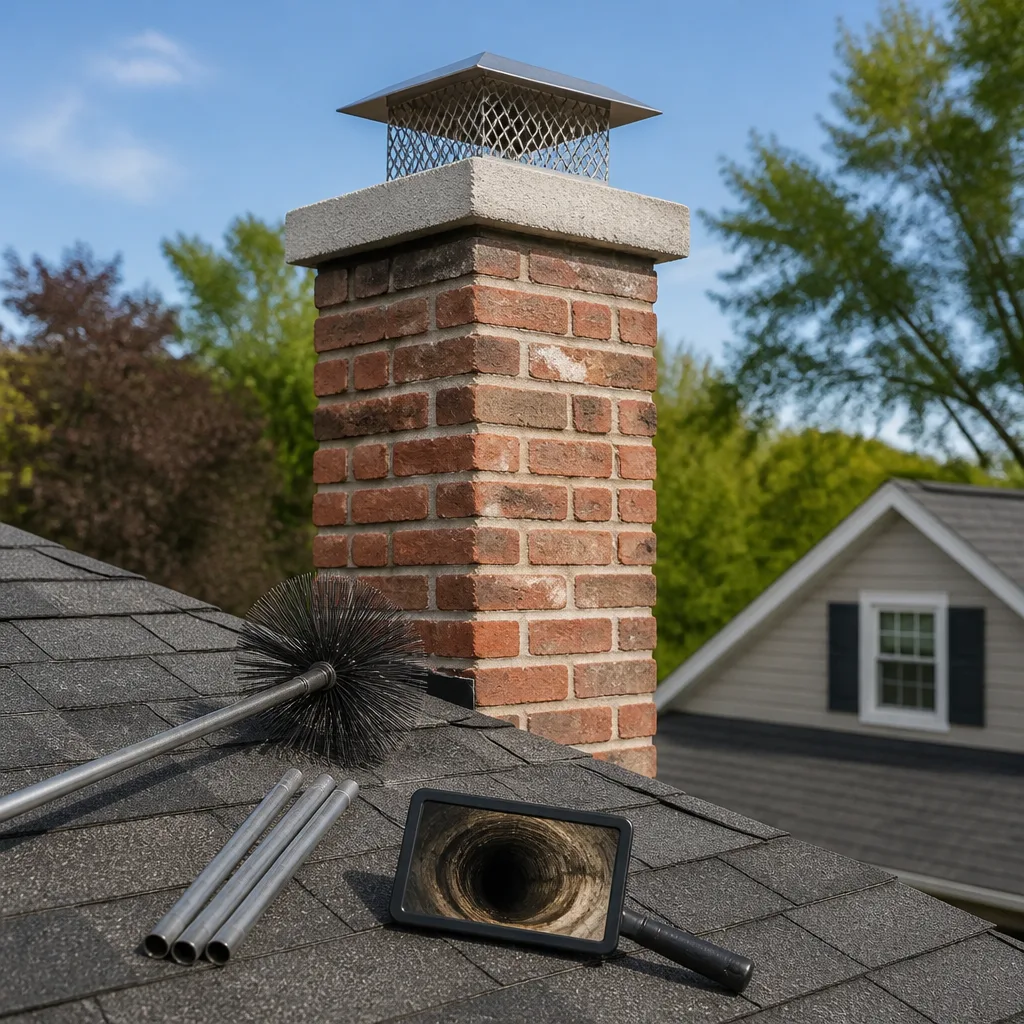
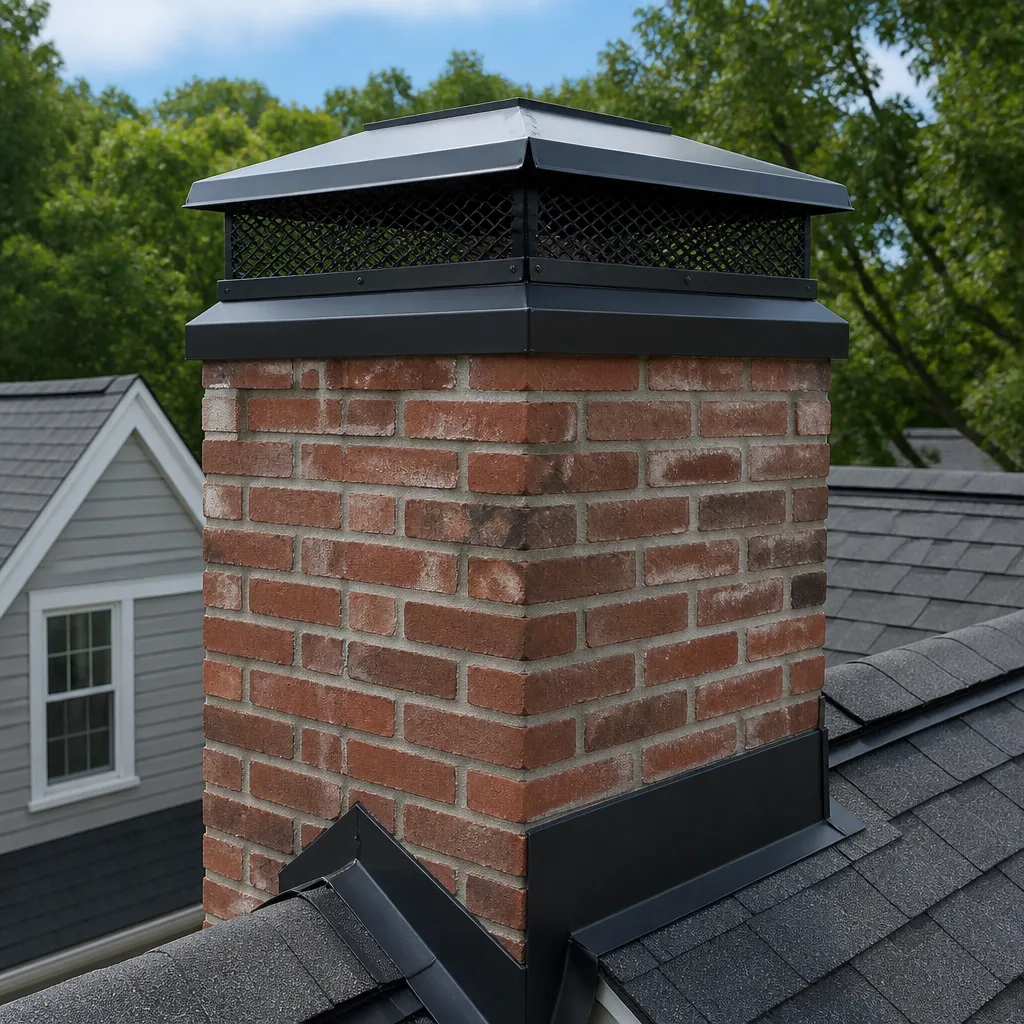
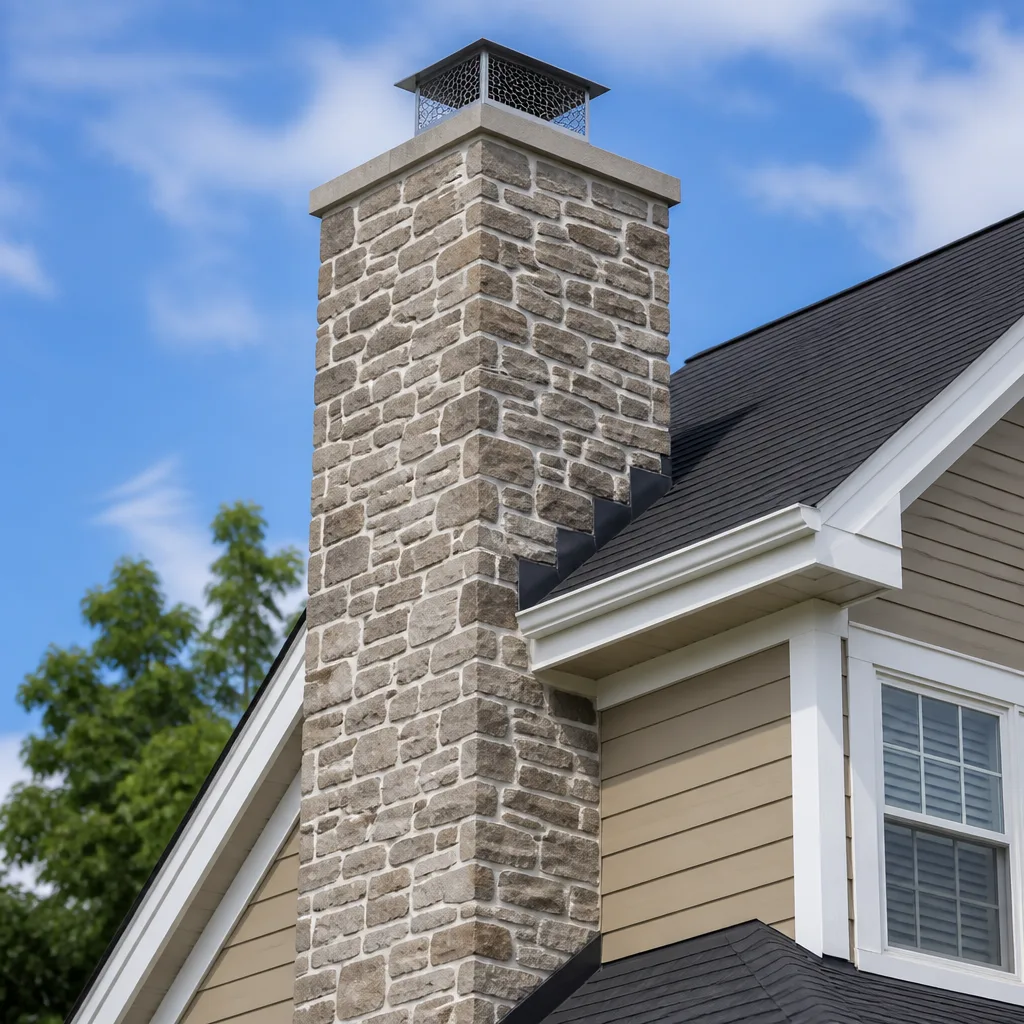
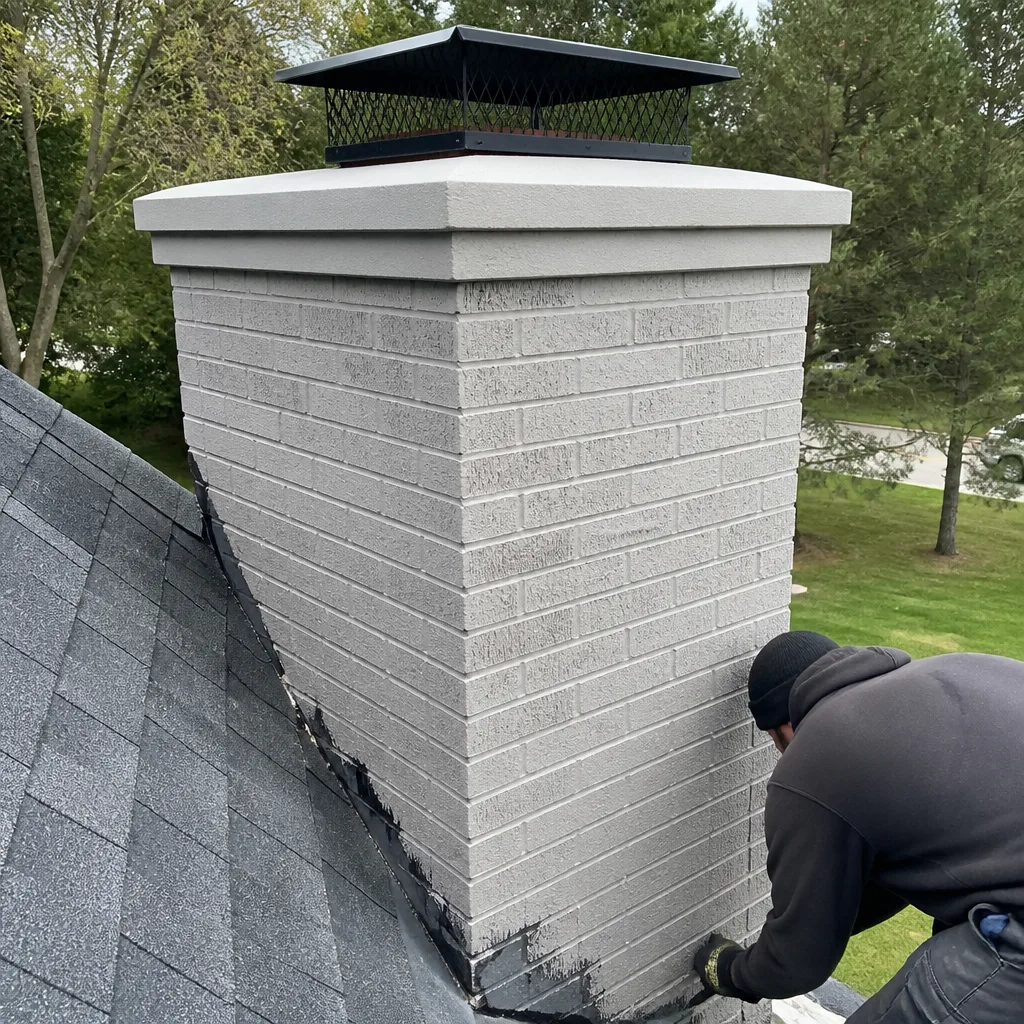
Level 1 sweep and inspection to the NFPA 211 annual standard - flue, crown, cap, and flashing checked and photographed
Chimney sweep logs do not sweep chimneys. They loosen some creosote - which then falls where a brush and vacuum still have to collect it.
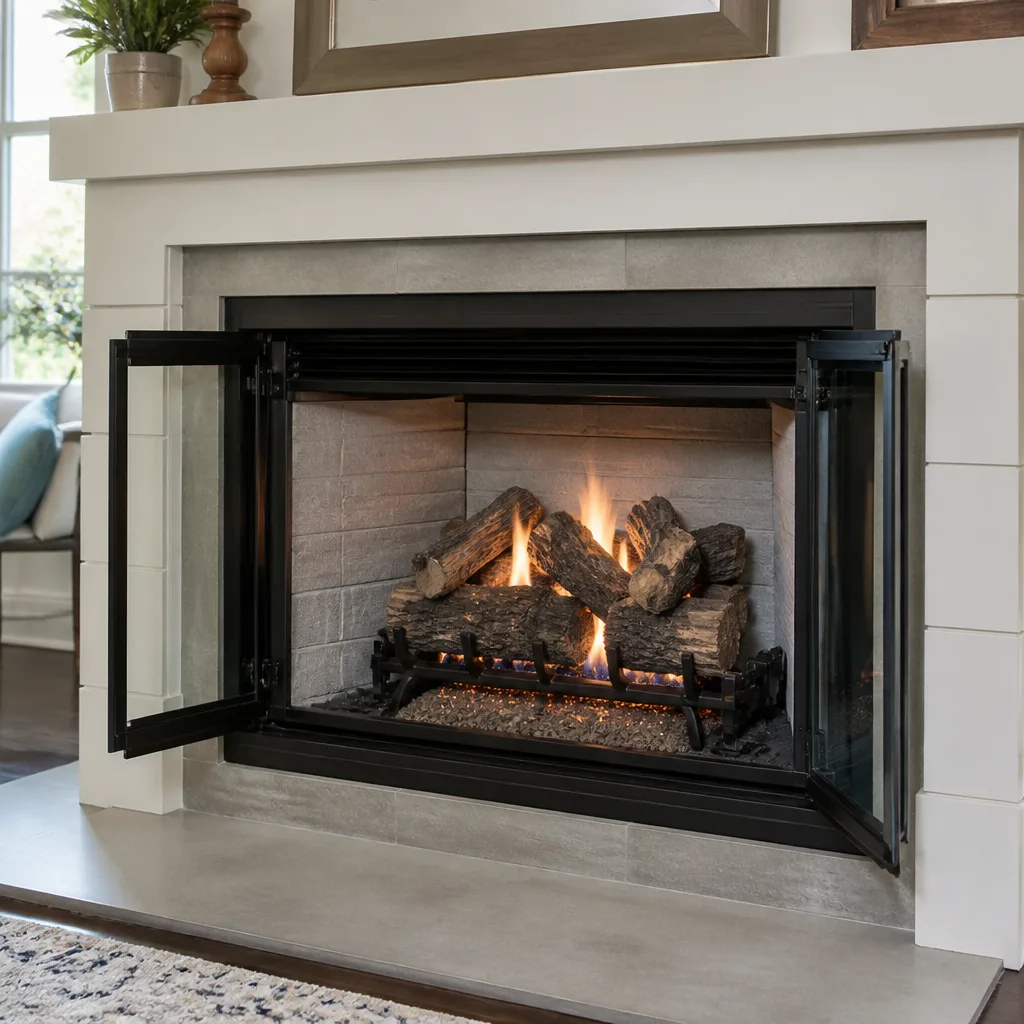
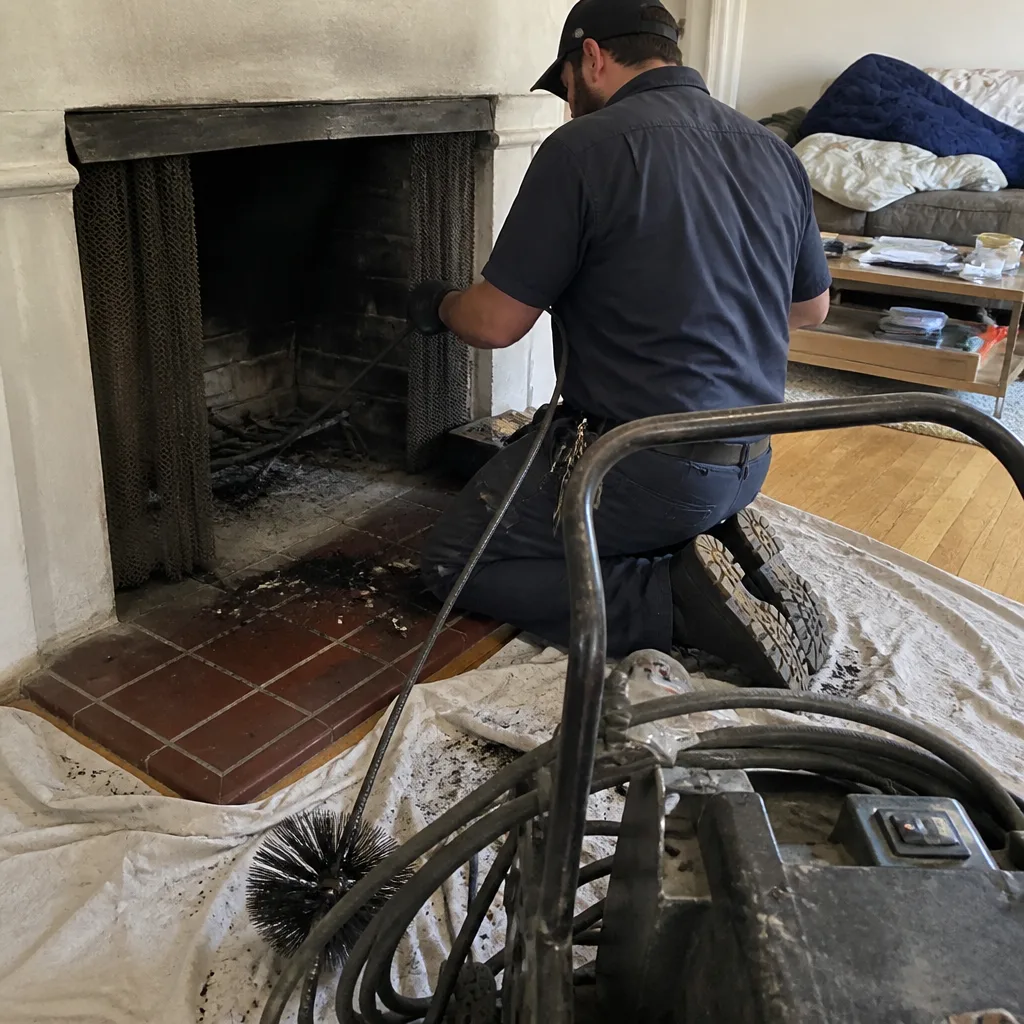 Before
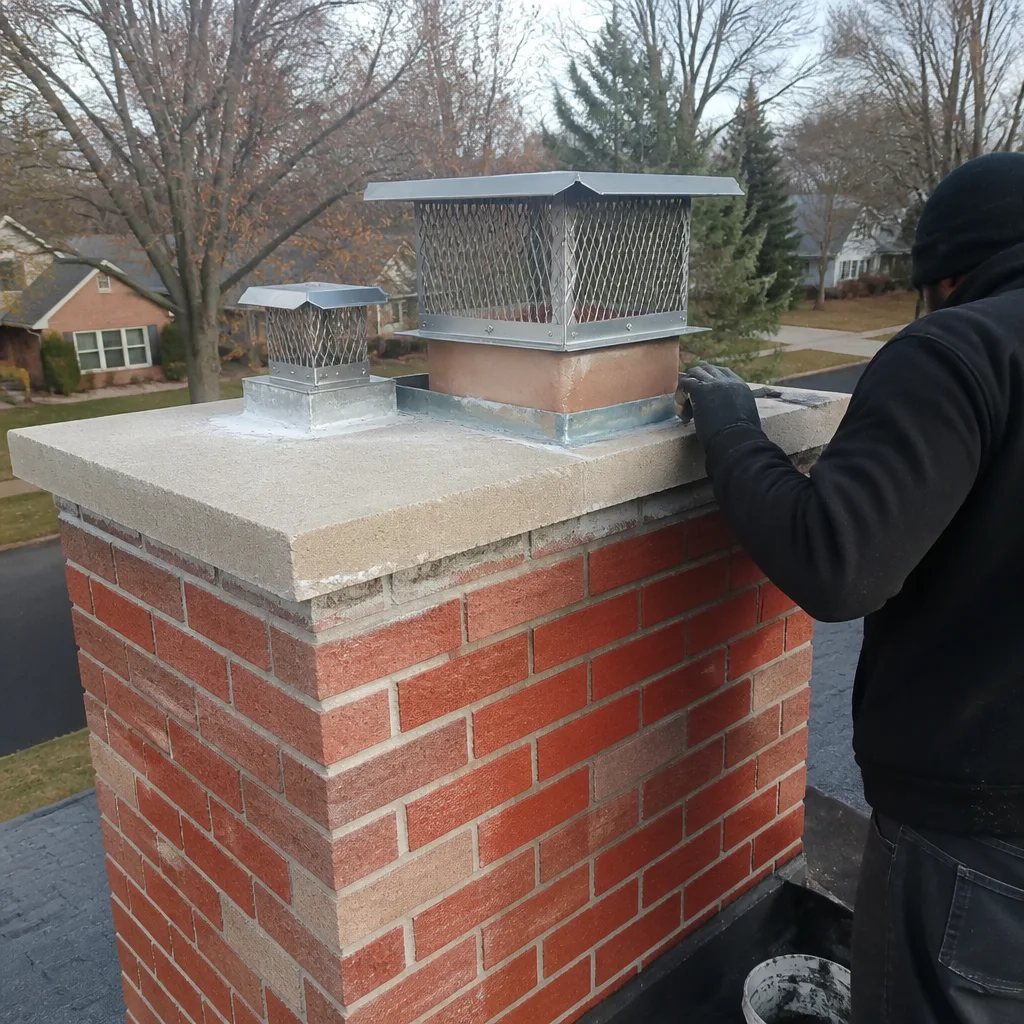 After
After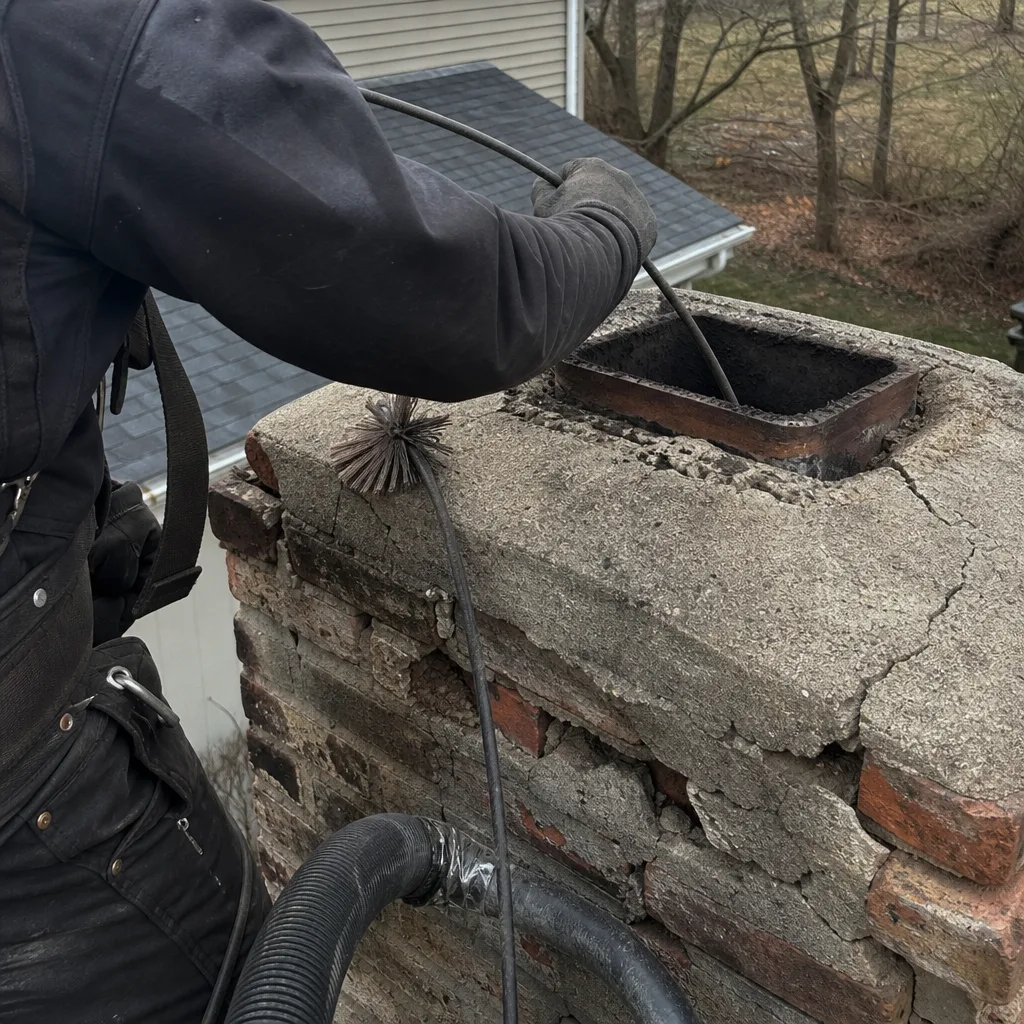 Before
 After
After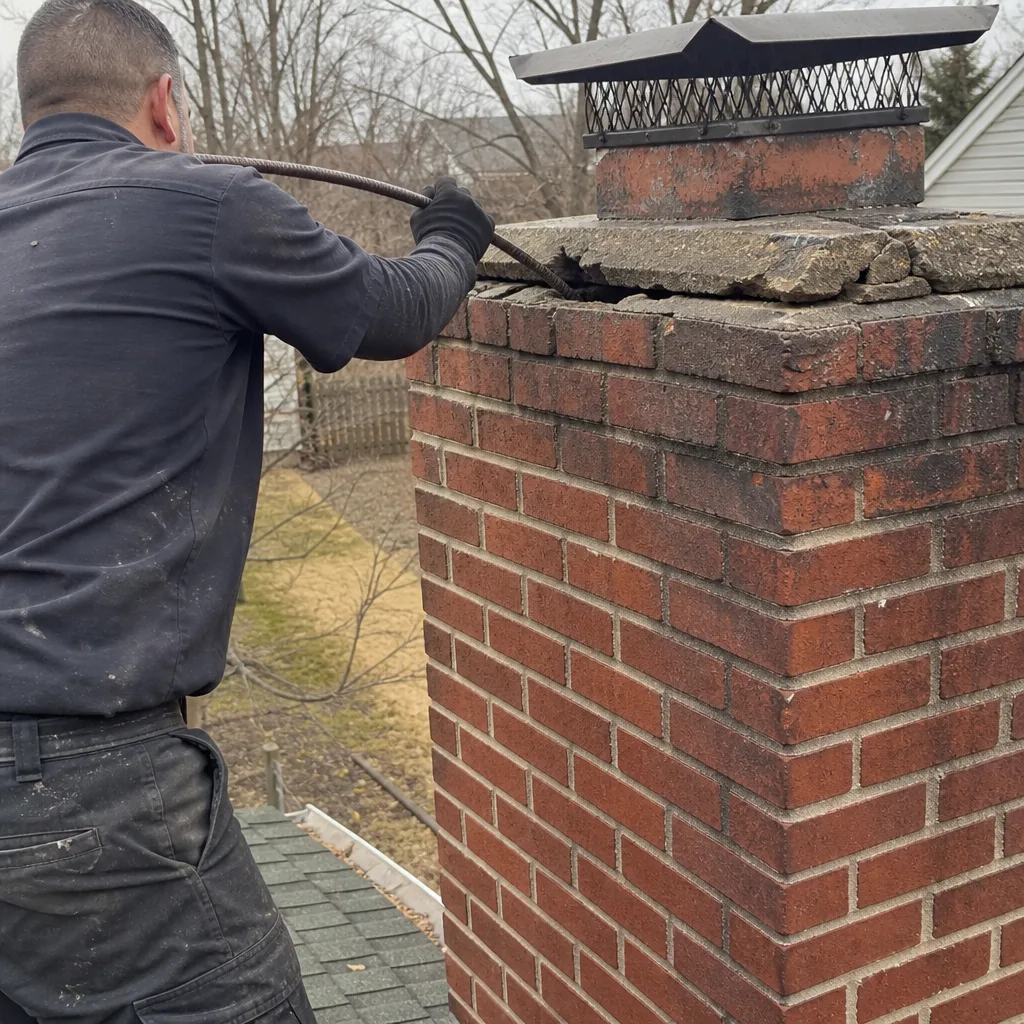 Before
 After
AfterSoot Removal in Downers Grove, IL
How Much Does Chimney Cleaning & Sweep Cost? (2026 Price Guide) - Downers Grove, IL typically runs $149 to $349, depending on how much has accumulated, how long it’s been since the last cleaning, and whether the flue liner or smoke chamber needs targeted attention. Most appointments wrap up in one visit, and you’ll have a written price in hand before any work begins.
At Emberly Chimney Cleaners Downers Grove, soot removal is part of our core Chimney Cleaning & Sweep in Downers Grove service. Every visit includes a camera-scan inspection down the flue – NFPA 211 Level 2 protocol – so we’re not guessing at what’s in there. We see exactly where soot has built up, note its classification, document it with photos, and hand you a written scope before a single brush goes into the firebox. If you’d like to talk through what we’re seeing before we start, call us at (331) 253-4980.
Corrine Halstead has led Emberly Chimney Cleaners Downers Grove since its founding under the Haven Standard in 2009, and the practice of camera documentation before cleaning – not after – has been the default here across more than 38,000 chimneys inspected and cleaned.
When You Need Soot Removal
Soot is a byproduct of every fire. It’s a fine, powdery carbon residue that collects on flue walls, smoke chamber surfaces, and damper assemblies. At light levels it’s mostly a cosmetic and airflow issue. At heavier levels it can restrict draft, cause smoke rollback into the room, and – if it transitions into sticky creosote – become a fire hazard. Here are the situations where Downers Grove homeowners most commonly call us:
- Smoke backing into the room. If a fire that used to draw cleanly now sends smoke into your living space, soot buildup narrowing the flue is one of the first things we check. In Downers Grove’s older stock of 1970s and 1980s split-levels along Fairview Avenue and the Belmont corridor, this is a pattern we see every winter.
- A visible black film on the firebox walls or damper. A light gray dusting is normal. A thick, matte-black coating on the throat or damper plate means soot has been accumulating across multiple burn seasons and the flue hasn’t been cleaned in a while.
- It’s been more than one burn season since your last sweep. NFPA 211 recommends at least annual cleaning for any chimney in active use. Downers Grove winters are long – temperatures drop below freezing reliably from December through February – and a chimney that runs hard from October through March accumulates soot faster than the national average burn-season models assume.
- You just bought a home and don’t have a sweep record. Many homes sold in the 2020-2024 Downers Grove market changed hands without a documented chimney inspection in the file. If you can’t point to a record, assume it hasn’t been cleaned and schedule accordingly.
- You’re noticing a persistent odor from the fireplace. Soot and creosote carry a distinct smell, especially when humidity rises in late spring. If the fireplace smells like a spent campfire in May, buildup is almost always the cause.
- A gas log conversion is planned. Before any gas insert or log set goes in, the flue needs to be clean and inspected. Soot contamination can affect liner integrity and venting performance on a new appliance.
Our Soot Removal Process
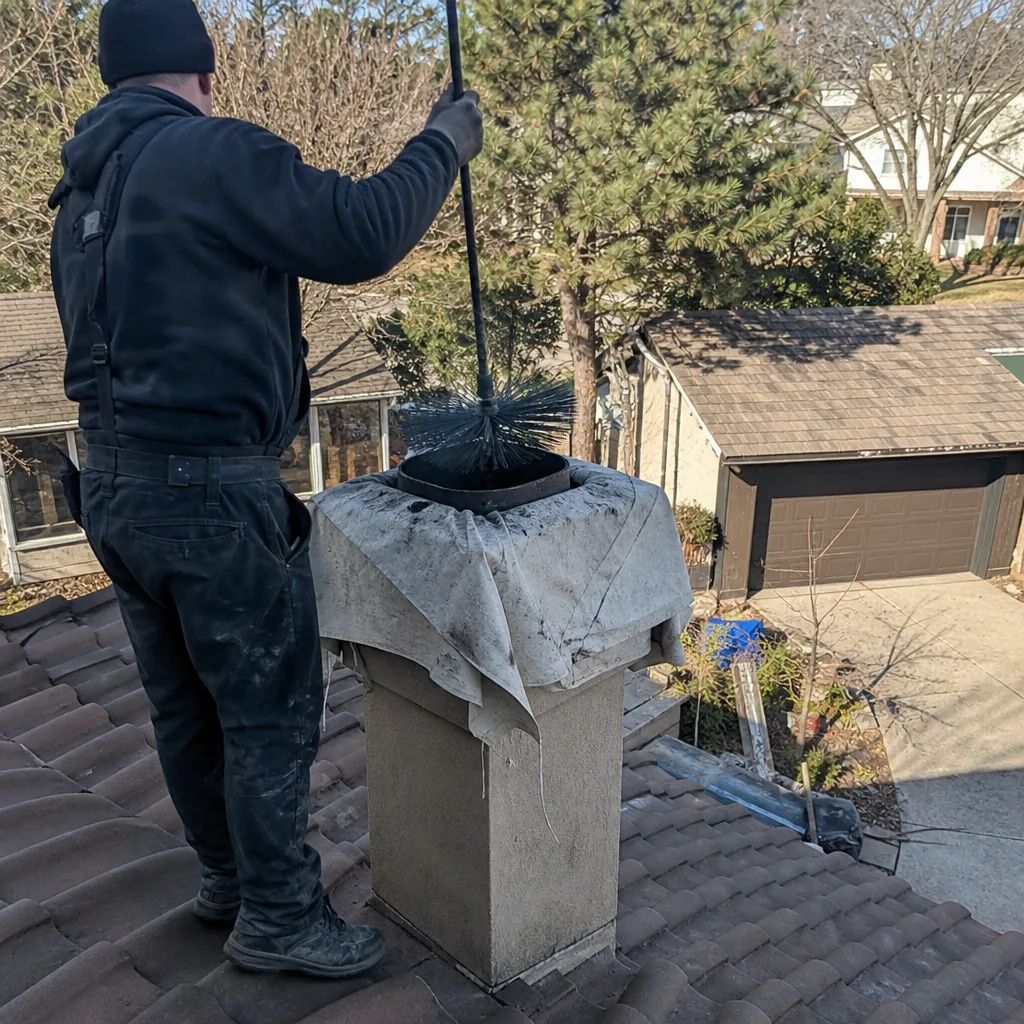
We don’t show up with a brush and start scrubbing. The camera goes down first, the findings get documented, the price gets written, and then the work starts. That sequence – inspect, document, quote, clean – is Haven Standard Clause 1 in practice. Here’s exactly how a soot removal appointment unfolds:
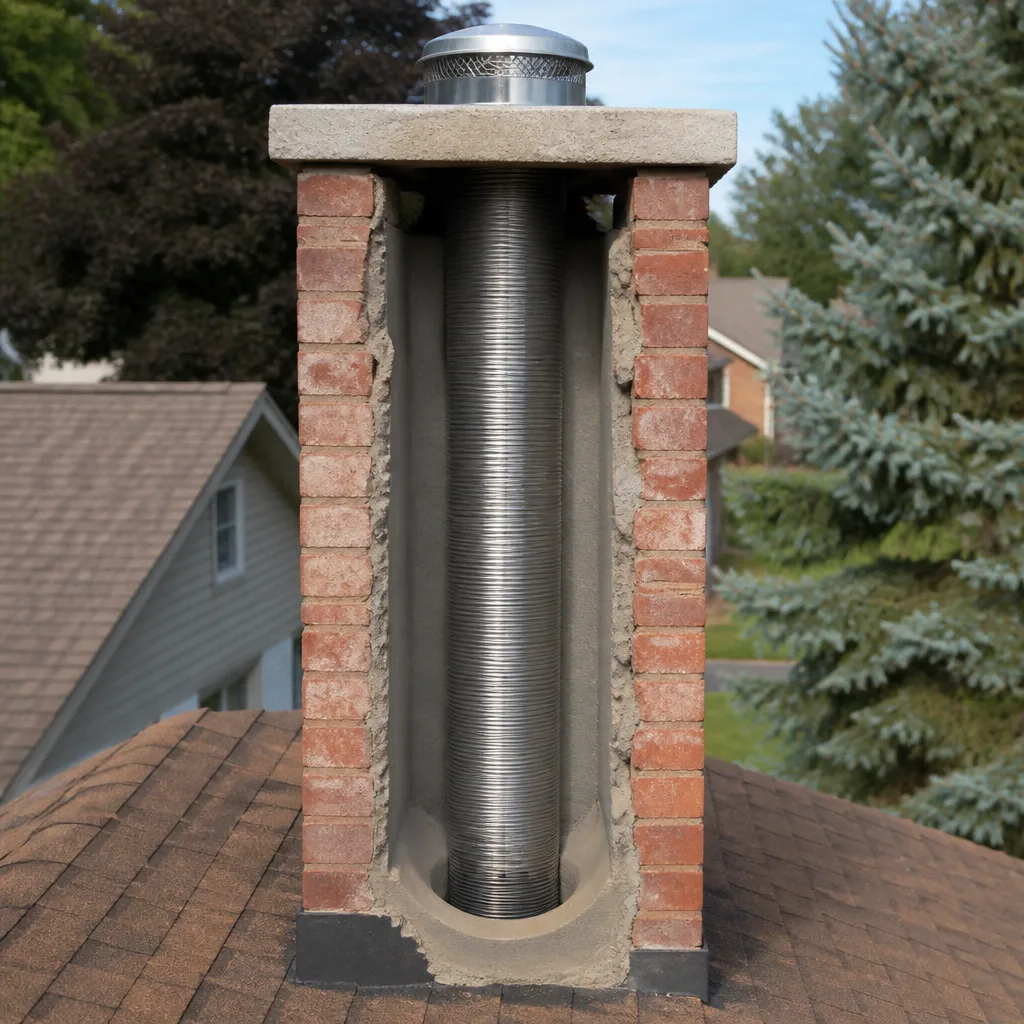
- Camera-scan inspection before anything else. A technician feeds a high-resolution camera down the full length of the flue liner from the rooftop. We’re looking at liner condition, soot depth and distribution, any signs of creosote transitioning from Class I (dust-like) to Class II (flaky, crusty) or Class III (tar-like, glazed). The footage is saved as part of your documented photo record under Haven Standard Clause 4.
- Written price and scope delivered before work starts. Based on what the camera shows, we hand you a written price and a written description of exactly what we’ll do. If the flue liner shows spalling or the smoke chamber has heavier accumulation than a standard sweep covers, that’s on the quote – with a number next to it. No surprises after the tech is already in your home.
- Firebox and home protection setup. Before any brushes or vacuum equipment go into the firebox opening, we seal the hearth area. Soot is fine-particulate and spreads fast. We use commercial-grade HEPA-filtered vacuum systems to maintain negative pressure in the firebox during cleaning so nothing migrates into the room. Your floors and furniture stay clean.
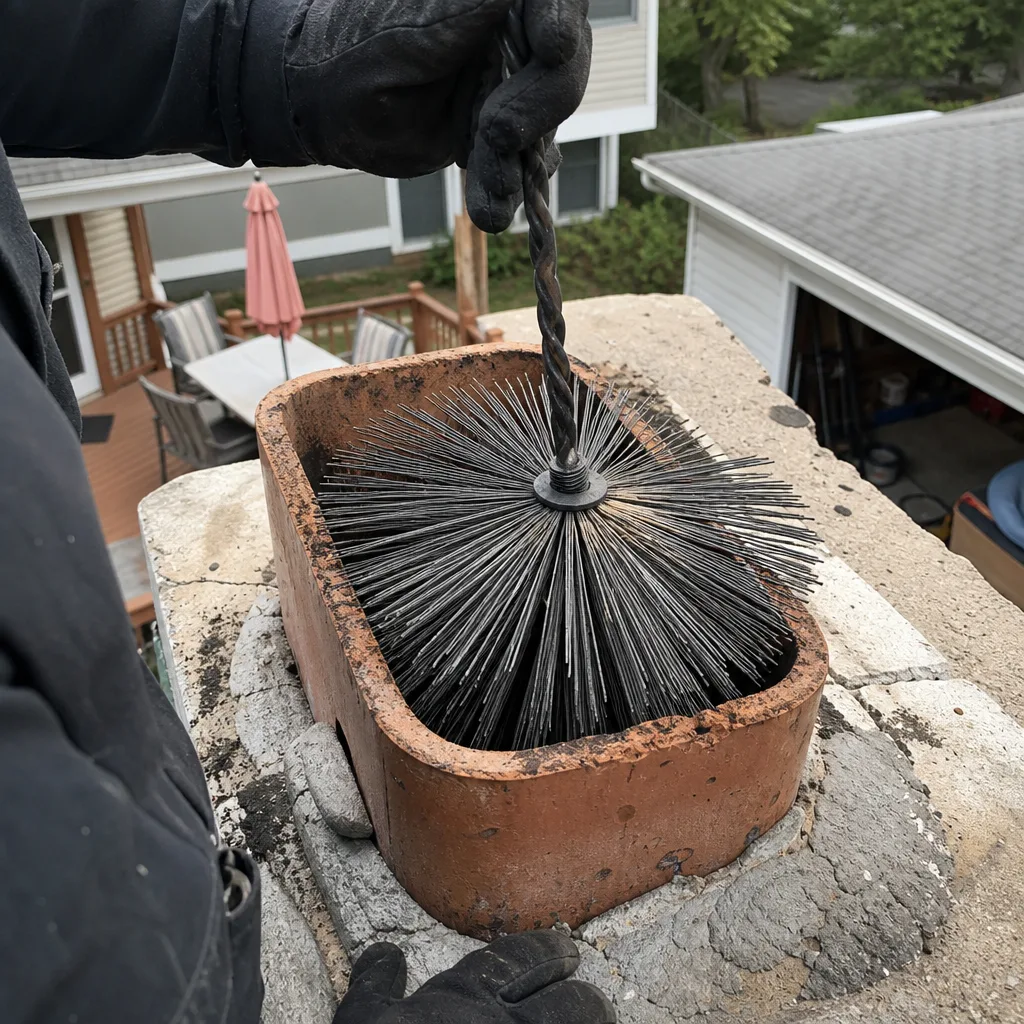
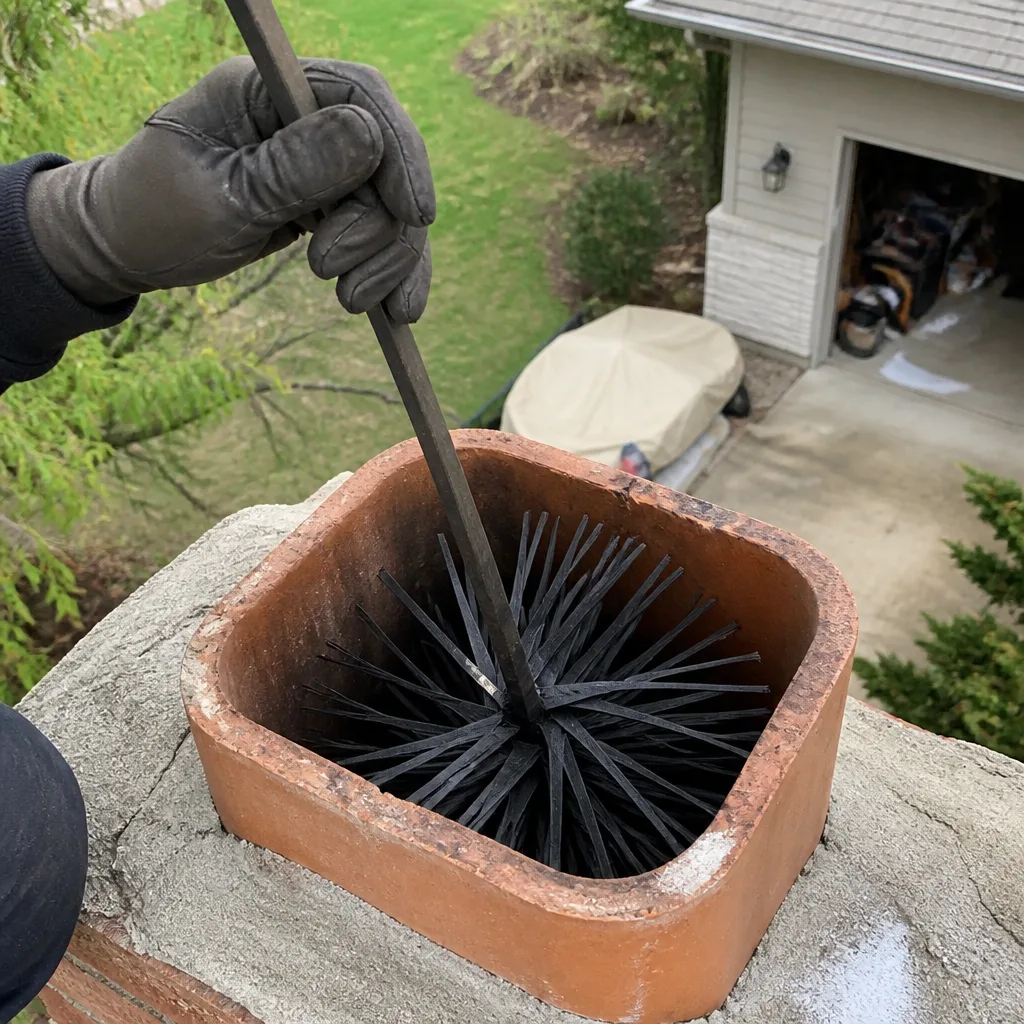
- Flue brushing and soot extraction. We use professional-grade chimney brushes – sized to the specific flue dimensions, not a generic fit – to break soot loose from the liner walls and smoke chamber surfaces. Copperfield brushes are among the tools we use here, selected for their fit across the range of clay tile and masonry liner types common in Downers Grove’s housing stock. All loosened material is extracted through the HEPA vacuum system simultaneously.
- Smoke chamber and damper cleaning. The smoke chamber – the corbelled masonry space above the damper throat – is one of the heaviest soot collection points and one of the most commonly skipped surfaces on a fast sweep. We clean it as standard, not as an add-on. The damper plate and frame get inspected and cleaned as part of the same pass.
- Post-clean documentation and written record. After cleaning, the camera goes back down. We photograph the liner in its cleaned state, note what was found and what was done, and produce a written record you keep. If anything flagged during the pre-clean scan – a cracked tile, a mortar joint that’s eroding, a damper that isn’t seating fully – it goes into the written record with a description and, if repair is warranted, a separate written quote.
BeforeAfterSoot Removal Pricing in Downers Grove
Soot removal in Downers Grove runs $149 to $349 for a standard single-flue fireplace. The range reflects real variation in what we find, not pricing ambiguity. Here’s how the numbers break down:
| Service Scope | Typical Price Range |
|---|---|
| Standard soot removal, single flue (light-to-moderate accumulation) | $149 – $219 |
| Soot removal with heavier smoke chamber buildup | $219 – $279 |
| Soot removal plus Class II creosote treatment, single flue | $279 – $349 |
| Second flue (added to same visit) | $99 – $149 additional |
| NFPA 211 Level 2 camera inspection (included on every visit) | Included – not billed separately |
A few things that move the number up: a flue that hasn’t been cleaned in three or more seasons, a liner with significant smoke chamber corbeling where soot packs into the recesses, or a Class II creosote presence that calls for chemical treatment before brushing. A few things that keep it at the lower end: Annual Sweep schedules, a short burn season, or a fireplace that burns seasoned hardwood consistently.
The camera inspection is included in every visit as standard – it’s not a separate line item and not optional. Clause 4 of the Haven Standard requires a documented photo record on every job. You get that regardless of what you paid.
If you have a written estimate from another company, bring it to us. We offer a free second opinion on any written quote, and we’ll tell you plainly what’s in it and what isn’t.
Estimates are free. Call (331) 253-4980 and a live person answers – not a voicemail, not a form.
What Affects Soot Buildup in Downers Grove Specifically
Downers Grove’s climate plays a direct role in how fast soot accumulates. The town sits in DuPage County at roughly 700 feet elevation, exposed to northwest winds that push down the Fox River valley and accelerate in winter. Homes with chimneys that face northwest – common in the grid-oriented neighborhoods north of Ogden Avenue – see more downdraft pressure than those with favorable wind orientation. Downdraft slows the draw, which slows combustion, which produces more incomplete-burn soot per cord of wood burned.
The housing stock matters too. A large portion of Downers Grove’s single-family homes were built between 1955 and 1985. In that era, fireplace proportions were generous and flue sizing was often undersized relative to the firebox opening – a ratio problem that was standard practice at the time and that we see routinely in homes on streets like Maple Avenue and in the Dunham neighborhood. An undersized flue draws poorly, runs cooler, and produces heavier soot accumulation per fire than a correctly proportioned system. We note flue-to-firebox ratio in the inspection record and flag it if it’s materially affecting performance.
Fuel type is the other variable. Homeowners burning green or partially seasoned wood – common when a cord is purchased late in the season from a supplier who cut recently – produce significantly more soot than those burning wood dried for at least twelve months. We see the difference clearly on the camera. Seasoned white oak or hickory, both available from local suppliers in the Downers Grove area, burns hotter and cleaner than green softwood. If the camera shows soot accumulation that seems disproportionate to how often the fireplace is used, fuel quality is usually the first thing we ask about.
Soot vs. Creosote: What the Camera Tells Us
Soot and creosote are related but different, and the distinction matters for both safety and pricing. Soot is fine, dry, powdery carbon – Class I in the NFPA classification system. It brushes out cleanly. Creosote is what soot becomes when smoke condenses on a cool liner surface before combustion is complete. Class II creosote is flaky and crusty, still removable with brush and chemical treatment. Class III creosote – glazed, tar-like, sometimes shiny black – is a different situation entirely and represents a genuine fire risk. It requires specialized chemical treatment before any mechanical cleaning can safely proceed.
We see all three classes in Downers Grove chimneys. The camera tells us which one we’re dealing with before we quote anything. If you’re looking at Class III, we’ll tell you plainly: the price is different, the process is different, and the timeline may extend to a second visit after chemical treatment. That information goes in writing before work starts – Haven Standard Clause 1.
The reason this matters: some companies quote a flat sweep price, send a tech in with a brush, and discover mid-job that there’s glazed creosote present. At that point you’re either paying an unplanned upcharge or the job is left incomplete. We’ve had customers come to us after exactly that experience, and it’s why the camera inspection is not optional here – it’s the first step, every time, on every visit.
The 365-Day Done Right Promise
Every soot removal job at Emberly Chimney Cleaners Downers Grove is covered by the 365-Day Done Right Promise. If anything about the work isn’t right within 365 days of the appointment, we come back and make it right. That’s not a marketing phrase – it’s written on every job under the Haven Standard and has been since 2009. You’ll have it in writing when we leave.
Key Takeaways
- Soot removal in Downers Grove runs $149-$349 for a standard single flue; written price is provided before work begins, always.
- Every visit includes a camera-scan inspection (NFPA 211 Level 2) and a documented photo record – included as standard, not billed separately.
- Soot (Class I) brushes out cleanly; Class II and III creosote require different treatment – the camera identifies which class is present before we quote.
- Downers Grove’s northwest wind exposure and older housing stock (1955-1985) contribute to faster-than-average soot accumulation in many homes.
- Every job is backed by the 365-Day Done Right Promise, written and delivered at the end of the appointment.
- A free second opinion is available on any written estimate from another company.
FAQs – Soot Removal
How much does soot removal cost in Downers Grove?
Soot removal in Downers Grove costs $149 to $349 for a single-flue fireplace, depending on accumulation level and whether Class II creosote treatment is needed. The NFPA 211 Level 2 camera inspection and documented photo record are included in that price – they’re not add-ons. You’ll have a written price in hand before any work starts. Call (331) 253-4980 for a free estimate – a live person answers around the clock.
Is soot in a chimney dangerous?
Light soot (Class I) is a draft and air-quality concern more than an immediate fire hazard, but it doesn’t stay Class I indefinitely. When soot accumulates over multiple burn seasons without cleaning, it transitions into Class II or Class III creosote – and Class III creosote is a documented fire risk. The transition happens faster in cool-running flues, undersized liners, and in flues where green or partially seasoned wood is burned. An annual camera inspection tells you exactly which class you’re dealing with before that transition becomes a problem. If you’re unsure of your flue’s condition, don’t wait for a symptom – call us at (331) 253-4980.
Can I clean soot out of a chimney myself?
Light soot on the firebox walls – the brick surfaces inside the firebox itself – can be brushed down with a stiff masonry brush and a dry-chemical soot remover. That’s a reasonable DIY task. Cleaning the flue liner, smoke chamber, and damper is a different matter. It requires rotary brushes sized to the specific flue dimensions, a HEPA vacuum system to prevent soot from spreading through the room, and a camera to confirm the liner is clear and undamaged after cleaning. Attempting to clean a flue without proper containment typically makes a significant mess and leaves soot in the lower smoke chamber where the DIY brush can’t reach. For anything above the firebox opening, a trained technician with proper equipment is the right call.
How often should a chimney be cleaned in Downers Grove?
Chimney Cleaning & Sweep services are recommended by NFPA 211 at least annually for any chimney in active use. In Downers Grove, where heating seasons run roughly October through March and many homes have older flue systems with proportioning issues, annual cleaning before the burn season is the baseline we recommend. If your household burns more than two cords of wood per season, or if you’re burning on a fireplace that runs most winter evenings, a mid-season inspection is worth scheduling. A quick camera check mid-winter costs less than dealing with a restricted flue or a smoke problem in January. Call (331) 253-4980 to schedule – we’ll tell you plainly what the camera shows.
Schedule Soot Removal in Downers Grove
If your fireplace is showing any of the signs above – or if you simply don’t have a documented record of the last cleaning – the right next step is to search Chimney Cleaning & Sweep Near Me in Downers Grove, IL for a camera inspection and written quote. There’s no charge for the estimate, a live person answers the phone around the clock, and you’ll have a written price before anyone starts work. That’s been the standard here since 2009 across more than 38,000 chimneys, and it’s not changing.
Call Emberly Chimney Cleaners Downers Grove at (331) 253-4980. We’ll get a named technician assigned, send you a text when they’re on the way, and deliver a written scope and price before the first brush goes in. For more on the full scope of what we do, visit our home page.
Written by Corrine Halstead, Owner at Emberly Chimney Cleaners Downers Grove, serving Downers Grove.