
Level 1 sweep and inspection to the NFPA 211 annual standard - flue, crown, cap, and flashing checked and photographed
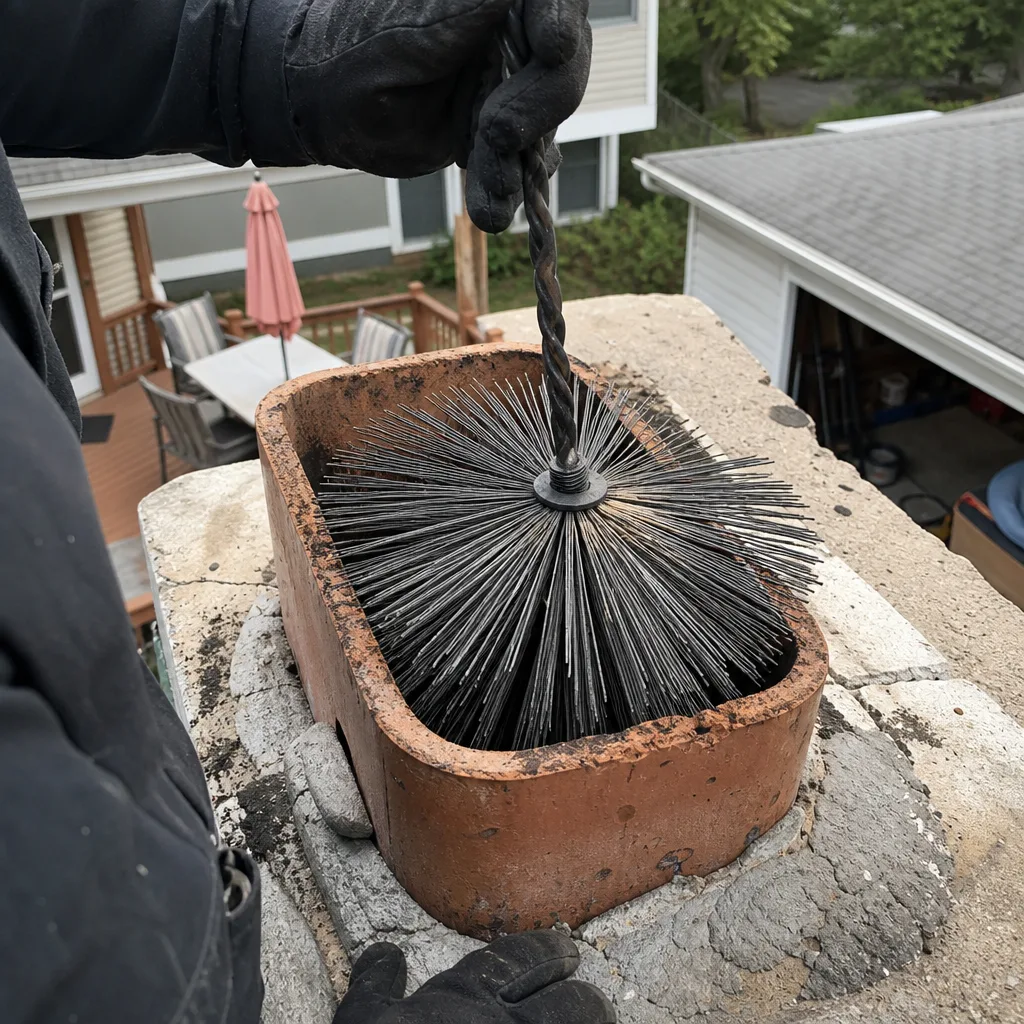
Chimney sweep logs do not sweep chimneys. They loosen some creosote - which then falls where a brush and vacuum still have to collect it.
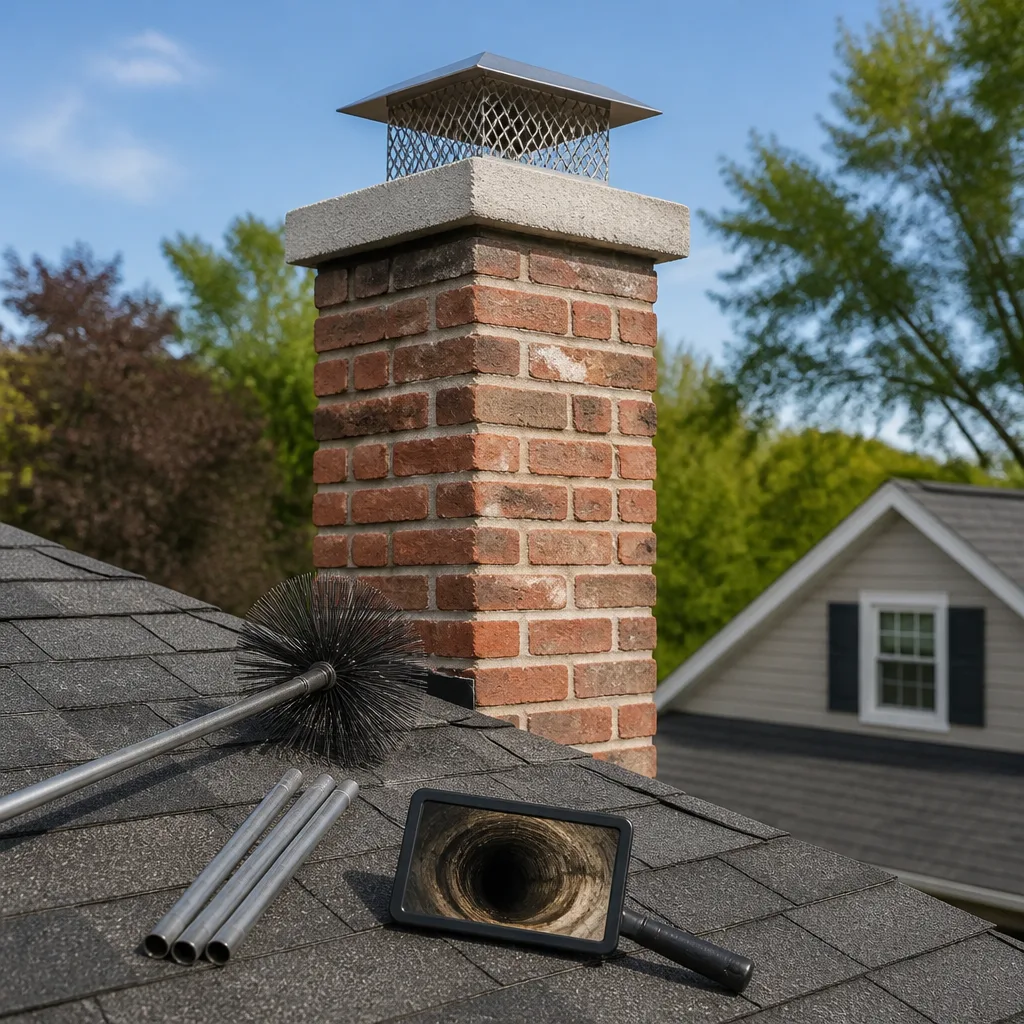
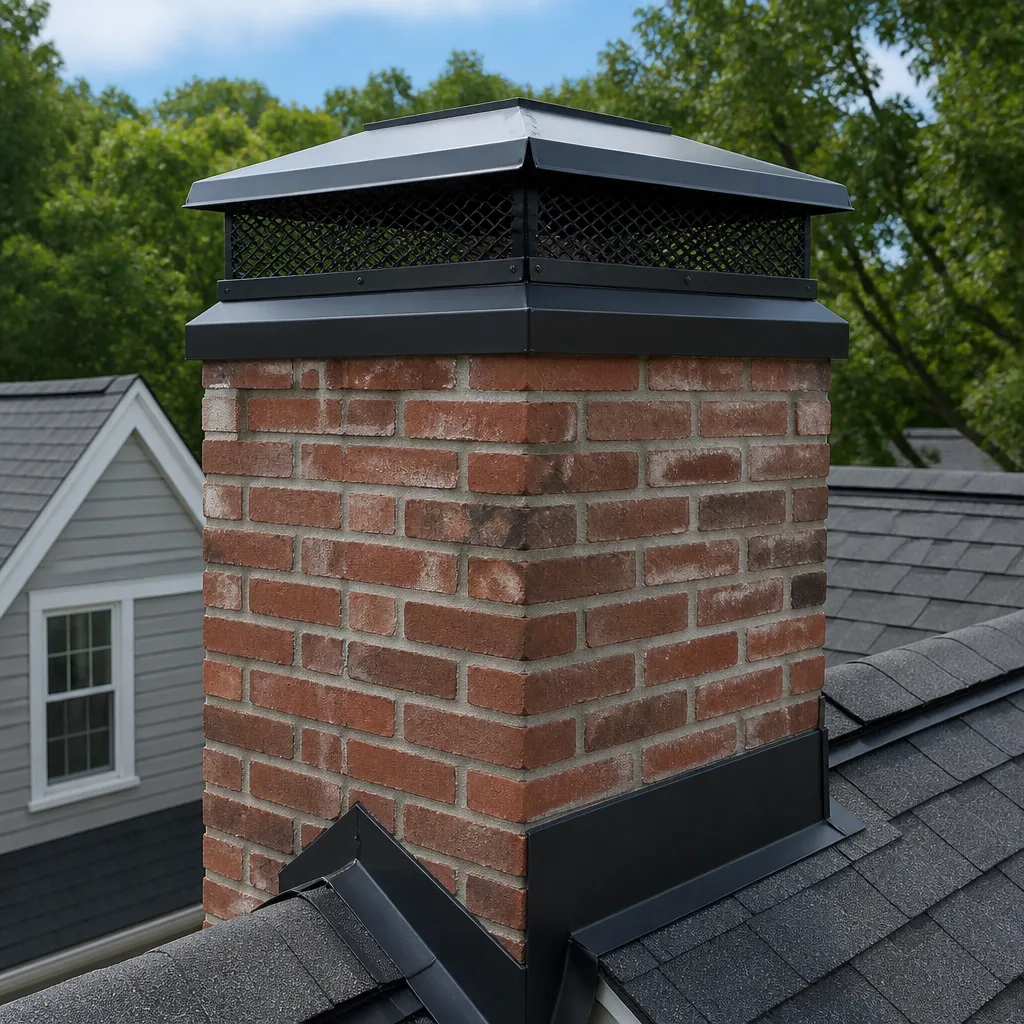
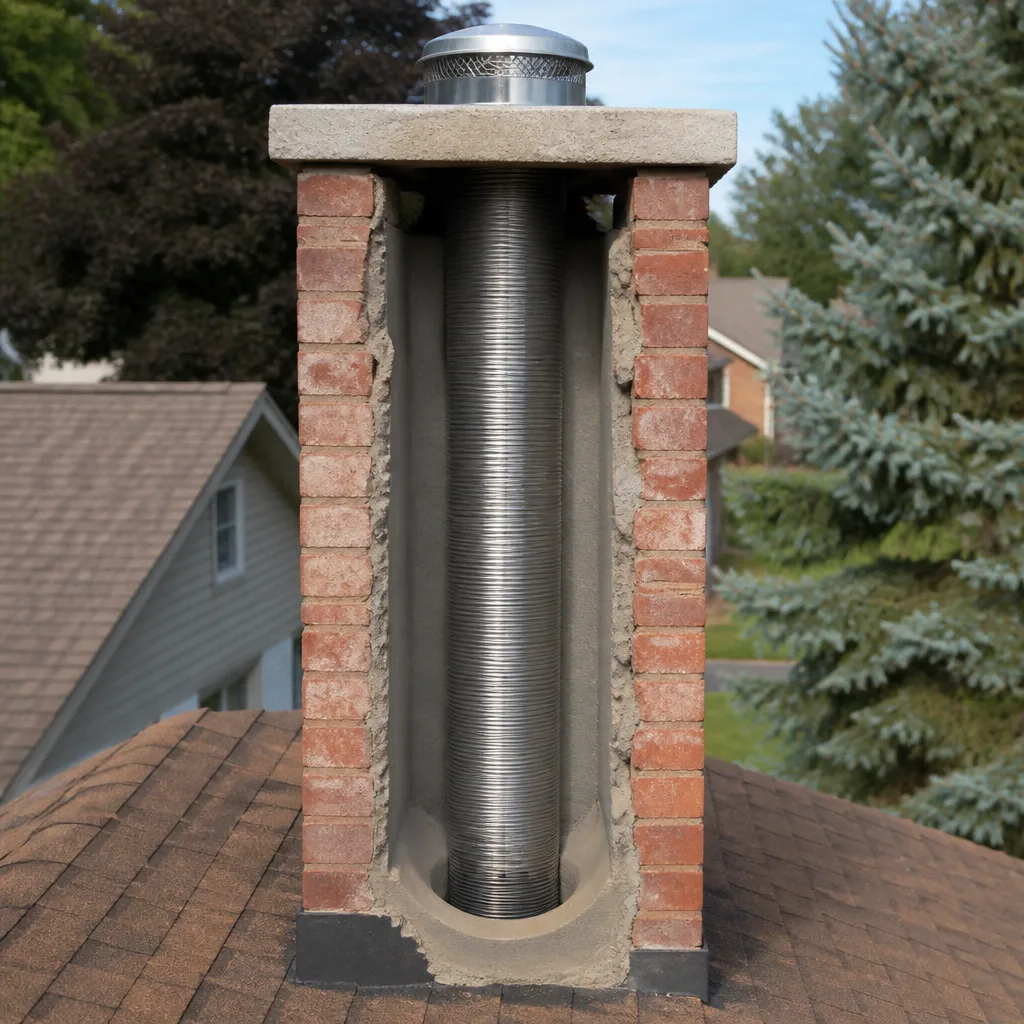
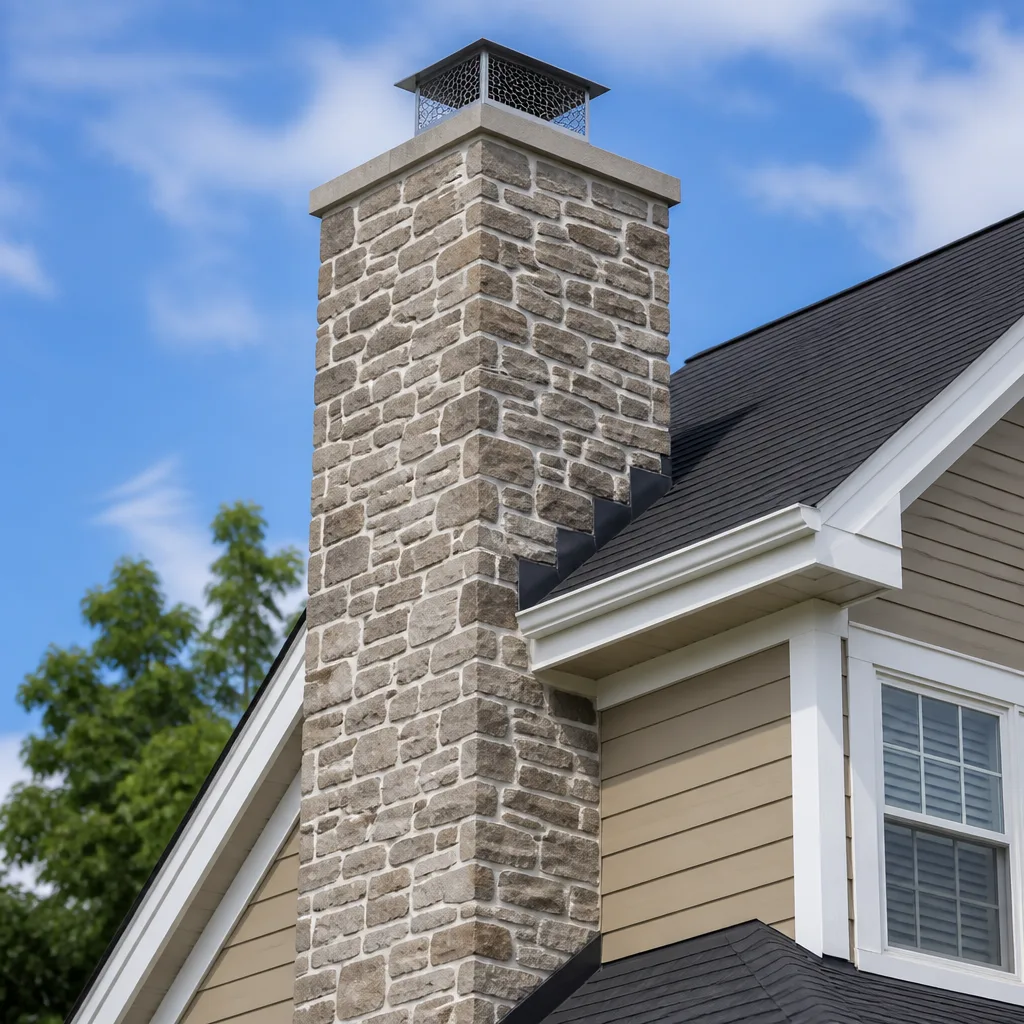
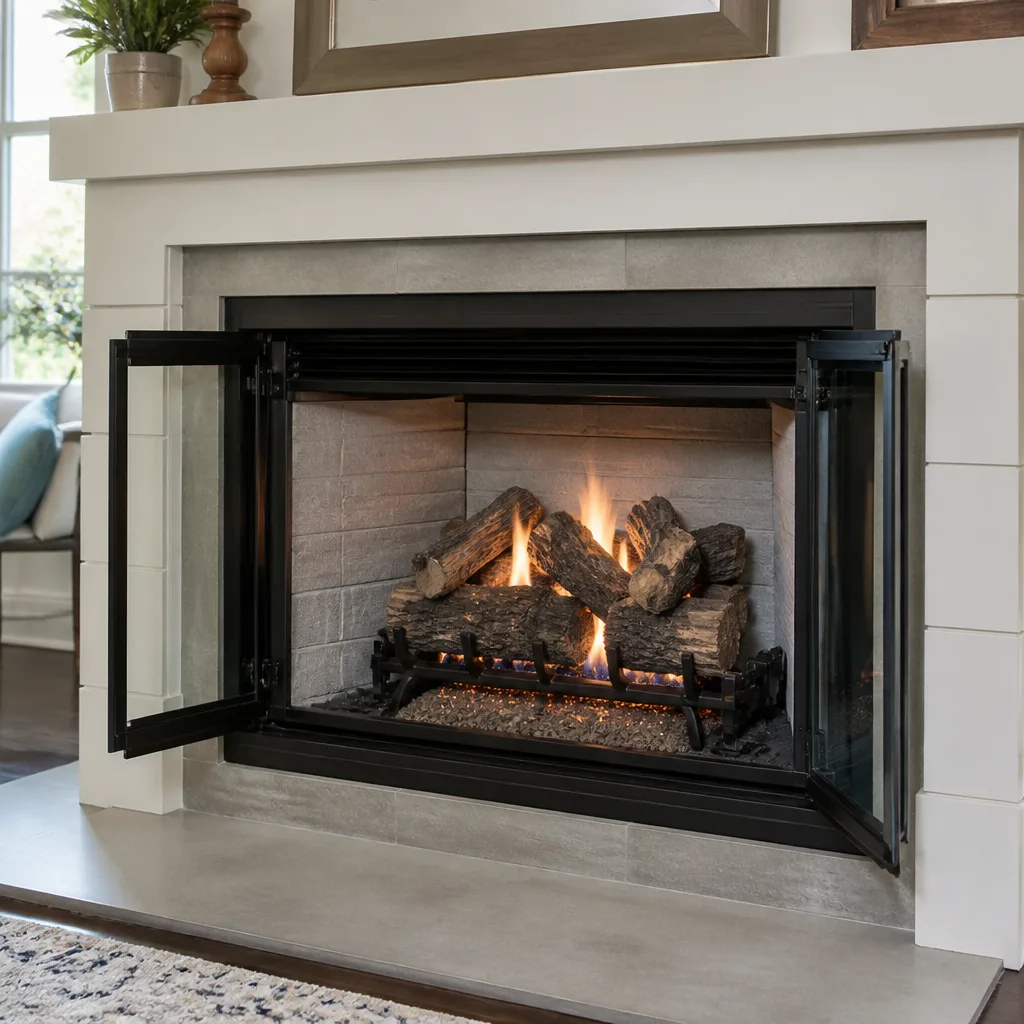
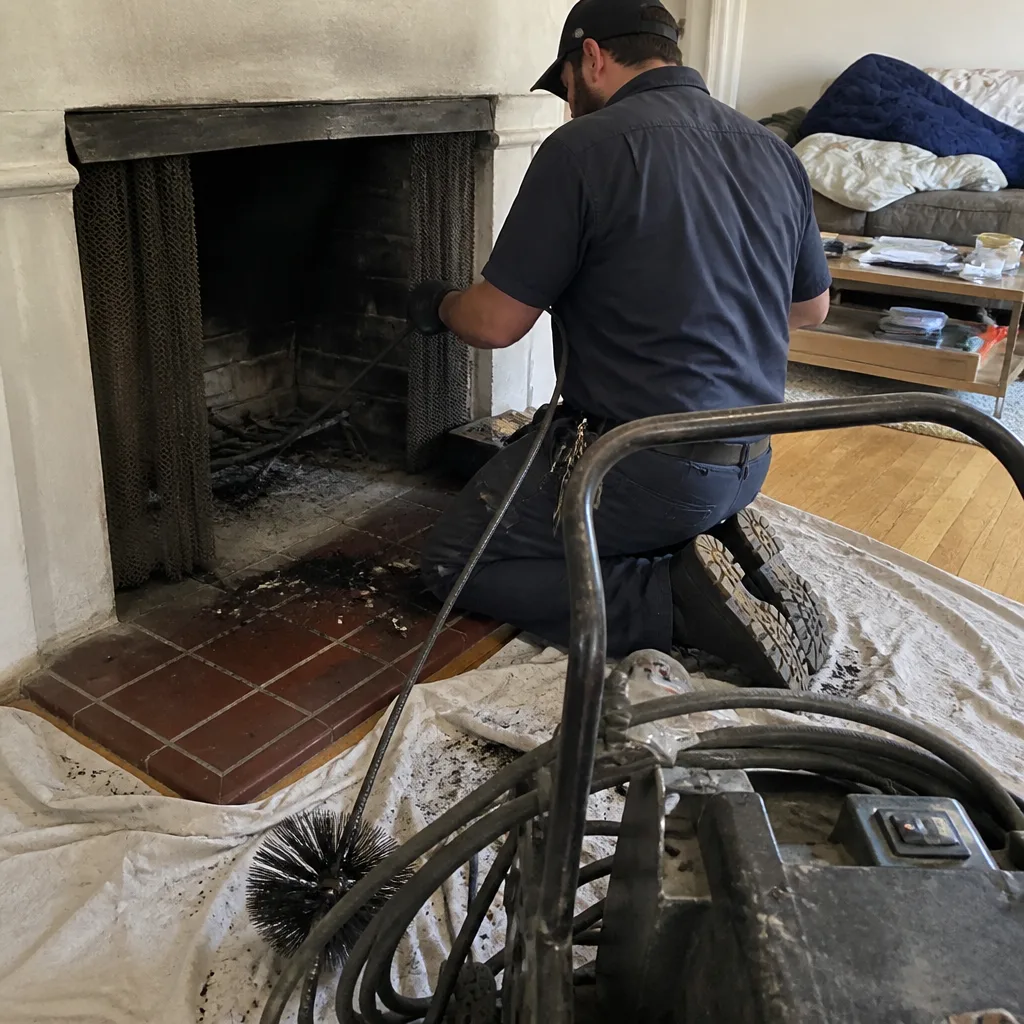 Before
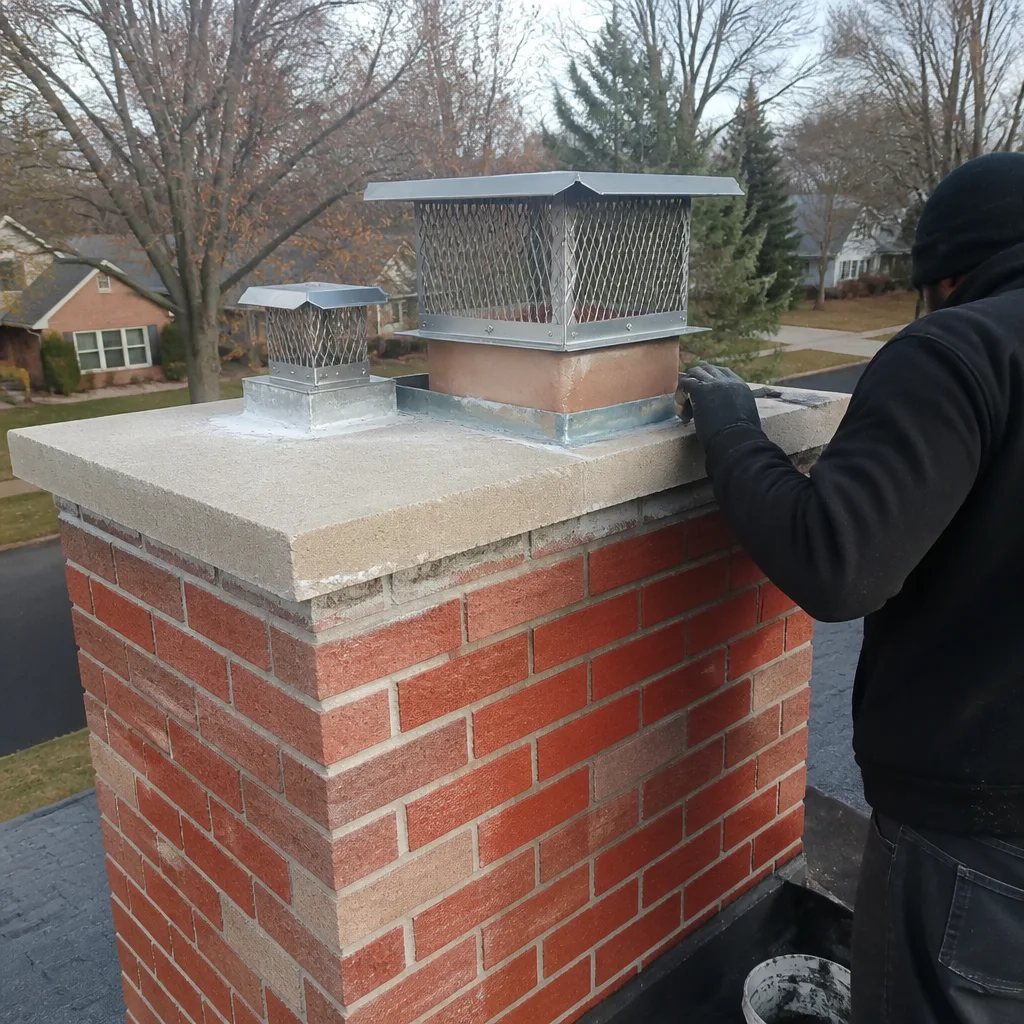 After
After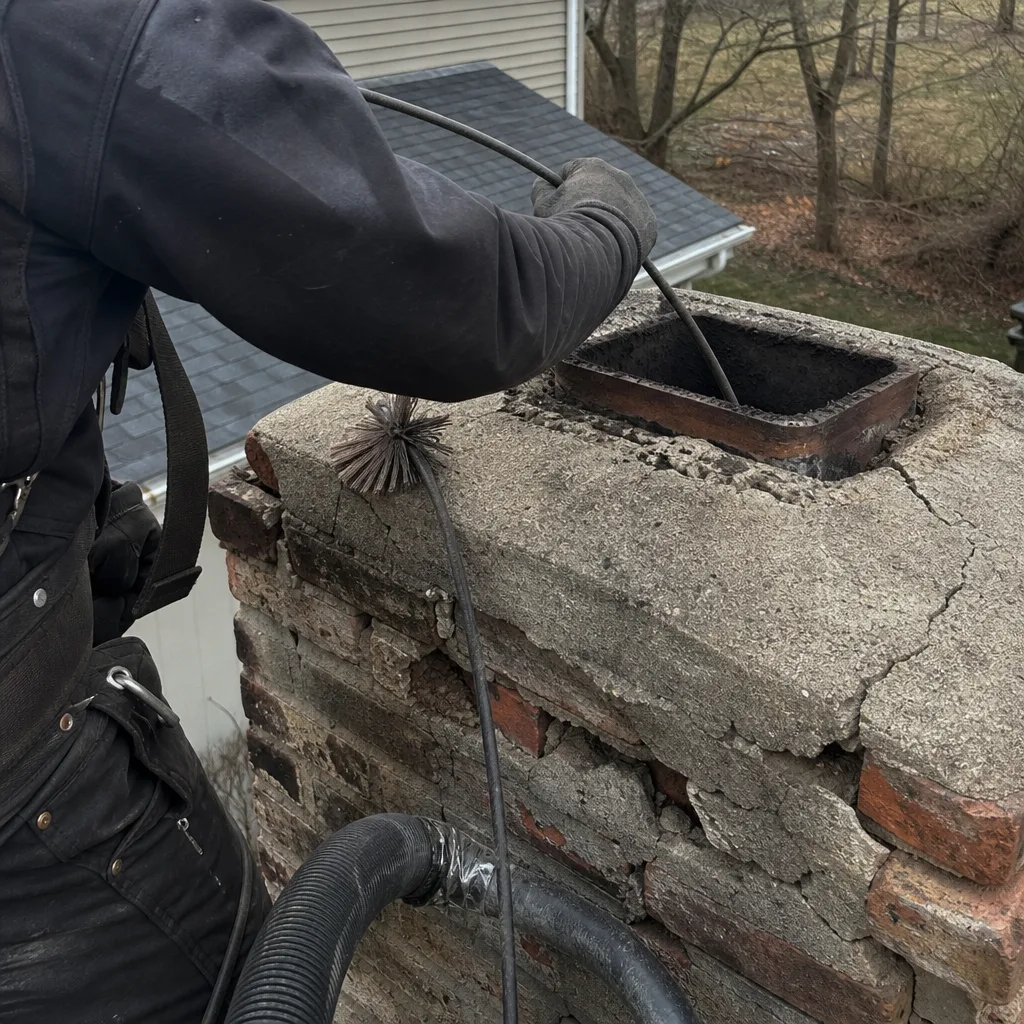 Before
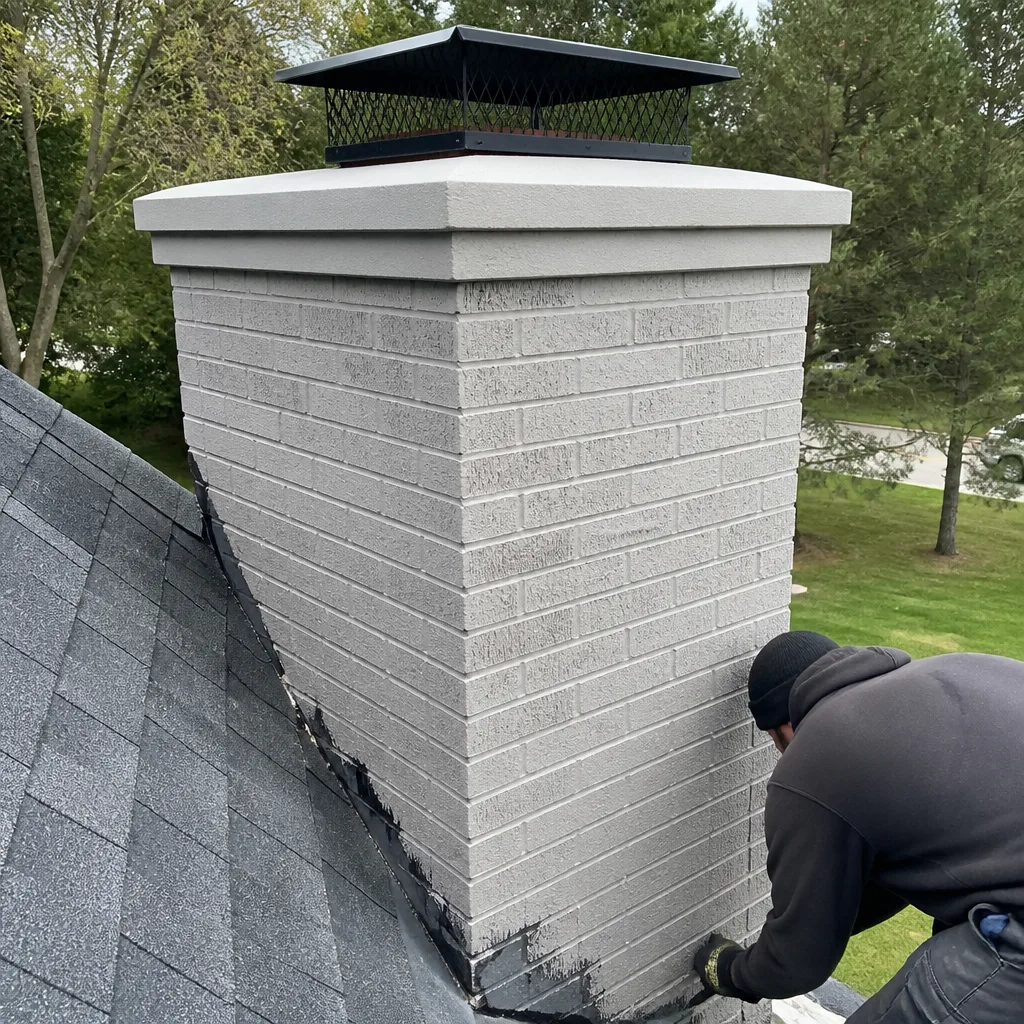 After
After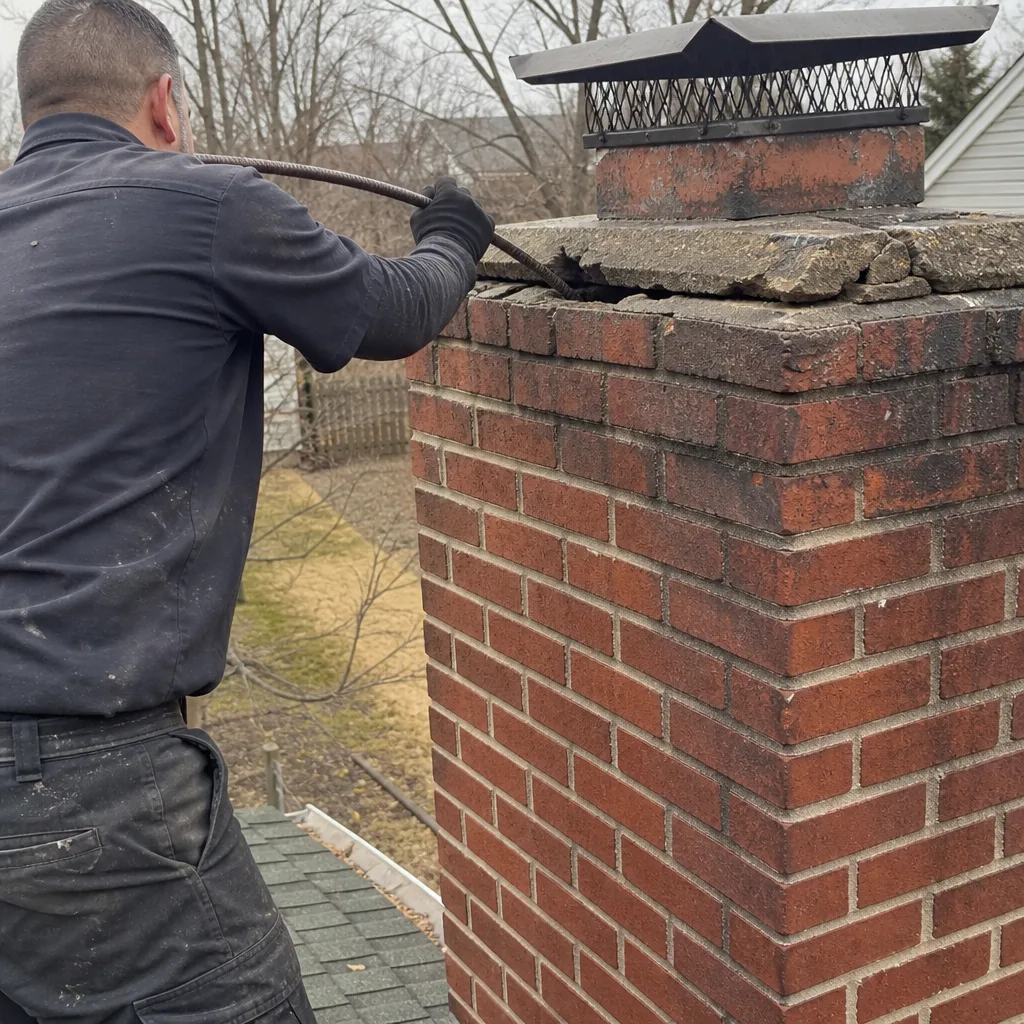 Before
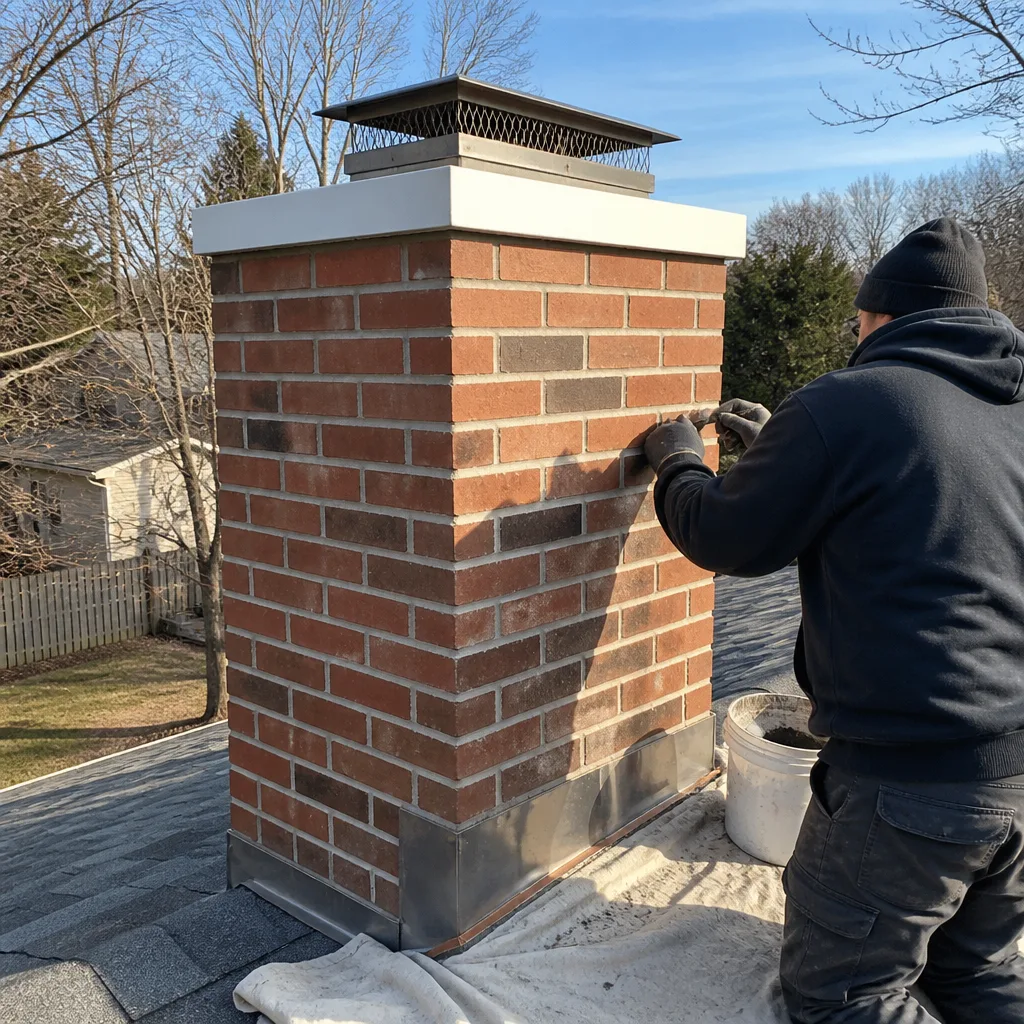 After
AfterCreosote Removal in Downers Grove, IL
Creosote removal in Downers Grove typically costs between $150 and $650 depending on the class of buildup and how many flue sections need treatment. Most visits are completed in a single appointment, and every job starts with a camera scan so you know exactly what you’re dealing with before any work begins.
If you’ve used your fireplace regularly this past winter – or inherited a chimney from the previous owners of your Downers Grove home and have no paperwork on its last Fireplace Cleaning – there’s a real possibility you have creosote buildup that warrants attention. This isn’t about scare tactics. Creosote is a byproduct of incomplete combustion. It coats the inside of your flue liner every time wood burns, and it accumulates in layers over months and years. At a certain thickness and consistency, it becomes the primary fuel source in a chimney fire.
At Emberly Chimney Cleaners Downers Grove, creosote removal is part of our Chimney Cleaning & Sweep in Downers Grove work. We’ve been doing camera-scan documentation since 2009 – which means we’ve seen what actual Class III glazed creosote looks like inside a flue that its owner thought was “probably fine.” The camera shows it. The written price follows. The work, if you choose to move forward, is documented and backed by the 365-Day Done Right Promise.
Call us at (331) 253-4980 – a live person picks up, any time of day. Or keep reading to understand exactly what creosote removal involves and what it costs in this market.
When You Need Creosote Removal
Not every chimney needs a chemical treatment or a full rotary cleaning system. Some need a standard Chimney Cleaning & Sweep services. Some need a two-stage rotary process. A few need professional-grade chemical application followed by mechanical removal. The camera scan is what tells us which situation you’re in. That said, certain signs point toward a conversation sooner rather than later:
- You smell something oily or smoky when the fireplace isn’t in use. In older Downers Grove homes – particularly the bungalows and colonials in the Denburn Woods and Briarcliffe neighborhoods – low-clearance flues can accumulate creosote faster than wider modern systems. That persistent odor in August, well after burning season, is often third-stage creosote off-gassing through the liner.
- You’ve burned a lot of wood this winter and skipped last year’s cleaning. Downers Grove winters push people to use their fireplaces hard from November through March. Two full seasons of regular use without a sweep is enough to build meaningful creosote deposits even in a well-drafted system.
- You burned wet or “green” wood. Freshly cut wood burns cooler and produces more smoke than seasoned hardwood. Cooler fires mean more incomplete combustion, which means more creosote per fire. If you bought a cord from a neighbor last fall and burned through it quickly, this applies to you.
- You heard a rumbling or roaring sound from the chimney during a fire. That sound is consistent with a chimney fire burning off accumulated creosote. Even if the fire appeared to extinguish on its own, the liner may have cracked and the remaining creosote may now include a layer of “puffed” or glazed Class III material that a standard brush won’t remove.
- The home inspection report flagged creosote but didn’t specify the class. We see this regularly when new homeowners come to us after buying in Downers Grove. The inspector noted creosote; the seller disclosed nothing; the written price for remediation was never produced. We’ll camera-scan the flue, classify what’s there, and give you a written scope and price before anyone picks up a tool.
- Your liner is metal and older than 15 years. Stainless liner systems do restrict airflow slightly compared to a correctly sized clay tile flue, and some older installations in the area were undersized for the connected appliance. Undersized flues run cooler and accumulate creosote faster. If you don’t have documentation on your liner’s installation date or diameter, that’s worth knowing.
Our Creosote Removal Process
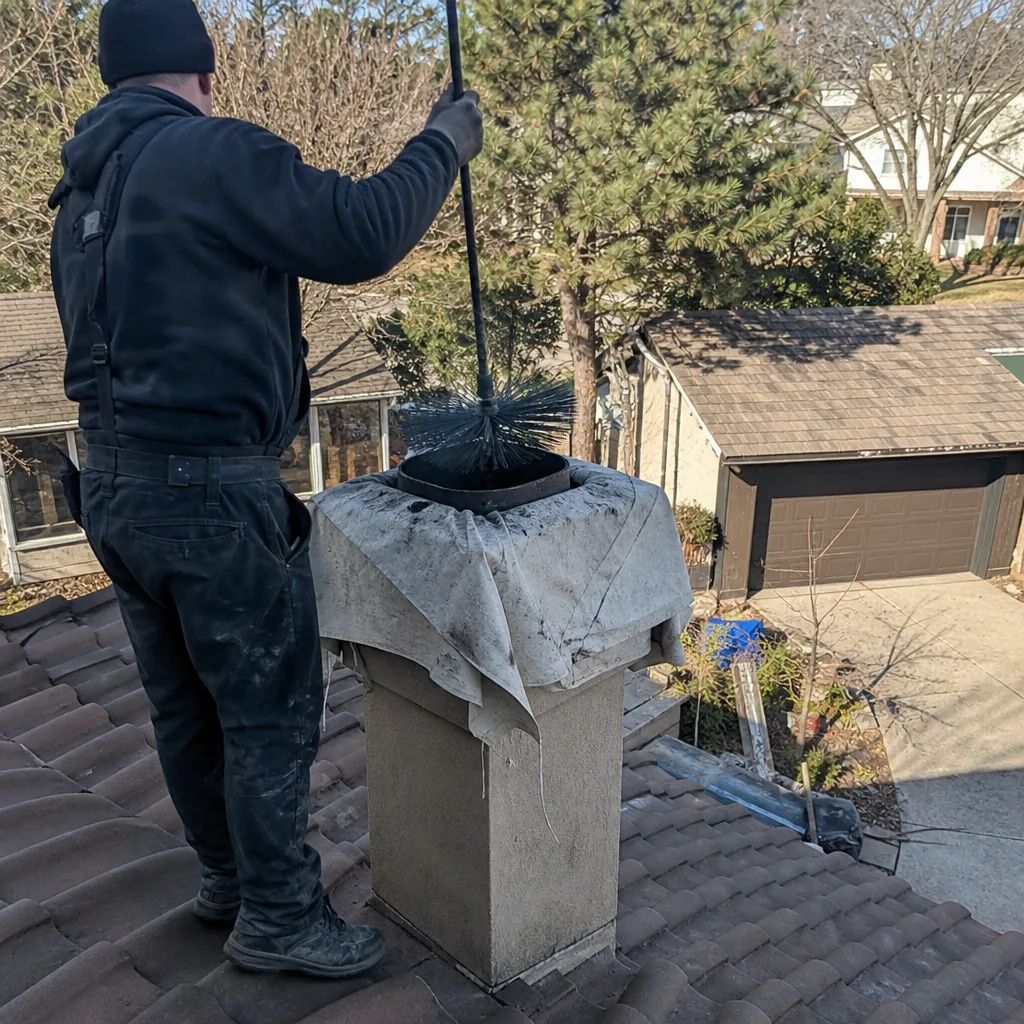
The process varies by the class of buildup the camera identifies. Class I is a light deposit removable with standard brush equipment. Class II is a harder, flaky or tar-like coating that typically requires a rotary system. Class III – glazed, shiny, and sometimes dripping – requires chemical application before mechanical removal is even possible. Here’s how we work through it:
- Camera scan and classification. Before we do anything, we run a camera down the flue under NFPA 211 Level 2 protocol. We’re looking at the liner surface, the smoke chamber, and the firebox. The camera shows us the creosote class, any existing cracks or spalling, and whether the liner has compromised sections. You see what the camera shows. Under Haven Standard Clause 4, a documented photo record from this scan is yours when we’re done – included, not optional.
- Written price and scope delivery. Based on what the camera found, we produce a written price and written scope before any work starts. This is Haven Standard Clause 1 – the ‘H’ in H.A.V.E.N. stands for “Have it in writing.” You’ll see the price for the removal method, any chemical application, and if the scan identified liner damage, a separate written line for that work. Nothing starts until you’ve reviewed and approved it.
- Protective setup. Your home in Downers Grove gets drop cloths, a HEPA-filtered vacuum system connected to the firebox opening, and a dust barrier at the hearth. Creosote removal – especially Class II and III – is a messy process if it’s not contained. We contain it.
- Mechanical or chemical-mechanical removal. For Class I and light Class II buildup, a rotary cleaning system with professional-grade brushes handles removal efficiently. For heavier Class II or any Class III glazed creosote, we apply a chemical agent – products sourced through Haven’s procurement network – that converts the glaze to a brushable ash. After the appropriate dwell time, we follow up with rotary mechanical removal. Class III removal is a process, not a single sweep, and we won’t shortcut it.
- Post-removal inspection and documentation. Once the flue is clear, the camera goes back down. We confirm the liner is clean, check the smoke chamber and damper condition, and document the result with photos. The before-and-after photo record is part of what you receive when we’re done – again, standard under Haven Standard Clause 4.
- Written warranty and job record. The 365-Day Done Right Promise applies to every job. If the work isn’t right within that window, we make it right. The written warranty and the complete job record – scope, price, photos, findings – go to you in writing before we leave your driveway.
BeforeAfterCreosote Removal Pricing in Downers Grove
Creosote removal in Downers Grove runs $150 to $650 for the large majority of residential jobs. The range is wide because the class of buildup is the primary driver of cost, and Class I and Class III jobs are genuinely different amounts of labor and material.
| Creosote Class | Description | Typical Price Range |
|---|---|---|
| Class I | Light, dusty or flaky deposit. Standard rotary brush removal. | $150 – $249 |
| Class II | Hard, tar-like or shiny flaking. Rotary system with possible light chemical assist. | $249 – $399 |
| Class III | Glazed, flowing, or thick deposits. Chemical treatment required before mechanical removal. May require multiple visits. | $399 – $650+ |
What affects where your job lands in that range:
- Flue height and liner diameter – taller flues and narrower liners take more time and more material to treat.
- Number of firebox systems – some Downers Grove homes have a second fireplace upstairs or a wood-burning insert in addition to the primary hearth. Each connected flue is scoped and priced separately.
- Liner condition found during the camera scan – if the scan identifies cracked clay tile or a damaged section, that work is quoted on a separate written line. You decide whether to proceed with the liner repair before or after the creosote removal.
- Chemical treatment dwell time – some Class III jobs require a return visit after the chemical application has had time to act. If that’s what the scan indicates, the written scope will say so before any work starts.
The camera scan and classification are part of the visit – you’re not paying separately for the inspection before getting the cleaning price. And the written price comes before any work starts, every time, no exceptions. That’s not a sales line; it’s how we’ve operated since 2009 across more than 38,000 chimneys inspected and cleaned.
If you have a written estimate from another company, bring it. We offer a free second opinion on any written estimate – no appointment fee, no pressure to book.
FAQs – Creosote Removal
How much does creosote removal cost in Downers Grove?
Creosote removal in Downers Grove costs between $150 and $650 for most residential jobs, with Class I (light, dusty deposits) at the lower end and Class III glazed creosote at the higher end. The price depends on the class of buildup, flue height, liner diameter, and whether a chemical treatment is required before mechanical removal. We deliver the written price after the camera scan and before any work begins. Call (331) 253-4980 for a free estimate – a live person will answer.
What are the three classes of creosote, and which one is dangerous?
Class I creosote is a light, dusty or flaky deposit – normal with regular burning and manageable with a standard cleaning. Class II is harder and more adhesive, typically tar-like or shiny in patches. Class III is glazed, often shiny or running, and is the class associated with chimney fires because it ignites at relatively low temperatures and burns intensely once it does. All three classes should be removed, but Class III requires chemical treatment before mechanical removal is possible. A camera scan is the only reliable way to classify what’s in your flue – a flashlight look from the firebox opening won’t show you the upper flue sections where buildup is often worst.
Can I remove creosote myself?
For Class I deposits, there are consumer-grade creosote sweeping logs and powder products that may reduce light buildup between professional cleanings. They don’t replace a sweep, and they have no meaningful effect on Class II or Class III deposits. Class II and III removal involves rotary mechanical systems and, for glazed creosote, chemical agents that require controlled application and appropriate dwell time. More practically, the work requires access to the full flue length and a way to contain the debris – without a HEPA vacuum system sealed at the firebox, the soot and creosote dust will distribute through the room. We don’t recommend DIY attempts on anything beyond a light Class I deposit. The real danger is not the process itself but not knowing what class you’re dealing with before you start. A camera scan removes that uncertainty.
How often should I have creosote removed from my chimney?
NFPA 211 recommends an annual Level 1 Inspection and cleaning for any chimney in active use. For most Downers Grove homeowners burning a moderate amount of seasoned hardwood through a typical Illinois winter, an annual sweep keeps creosote at Class I levels and prevents the kind of buildup that escalates into a Class II or III situation. If you’re burning more than two to three cords per season, burning green or wet wood, or using an insert that runs long slow fires, you may build up faster and benefit from a mid-season check. We’ll tell you what we found in writing after every visit so you have a documented baseline for the following year’s comparison.
Why Emberly Chimney Cleaners Downers Grove for Creosote Removal
The company name is the standard we work to. NFPA 211 Level 2 Inspection means a camera scan, not a flashlight. It means a written record of findings, not a verbal summary at the door. We started documenting camera-scan results in 2009 – before insurers required it, before it became a selling point for anyone else in the area. That documentation practice became Clause 4 of the Haven Standard: every visit, every job, every flue, every time.
For Downers Grove homeowners specifically, that matters because Illinois winters produce real creosote loads. The cold January nights push people to burn longer and hotter or – more often – to load the firebox and close the damper down to extend the burn. Slow, restricted burns are cooler burns. Cooler burns are higher-creosote burns. We see it throughout the area, from the older homes near the downtown Metra station to the larger properties out near Lyman Woods. The pattern is consistent.
Materials for any chemical application or liner work after a removal come through Haven’s procurement network – which means products from suppliers like HeatShield and Copperfield at pricing that keeps the written quote honest rather than padded. You see the scope, the materials, and the price before we start. The 365-Day Done Right Promise covers the result. And a background-checked, uniformed technician – with a named assignment and a text when they’re on the way – does the actual work.
If you want to compare that to another written estimate you already have, bring it. The free second opinion offer applies, and we mean it literally: show us the written scope and price, and we’ll review it with you.
Corrine Halstead leads Emberly Chimney Cleaners Downers Grove, and the standard she holds the team to is the one you’ll see in writing on every job. More than 38,000 chimneys inspected and cleaned since 2009, every one of them with a written price before work started and a documented record when it was done. That’s the only statistic that matters to someone standing in their living room trying to decide whether to trust a chimney company with their flue.
To schedule a camera scan and get a written creosote removal price for your Downers Grove home, call (331) 253-4980. Live answer, any hour. Estimates are free. The price is written before anyone starts.
For the full scope of what a professional chimney cleaning visit covers, visit our home page or review the complete Chimney Cleaning & Sweep in Downers Grove service page.
Written by Corrine Halstead, Owner at Emberly Chimney Cleaners Downers Grove, serving Downers Grove.