
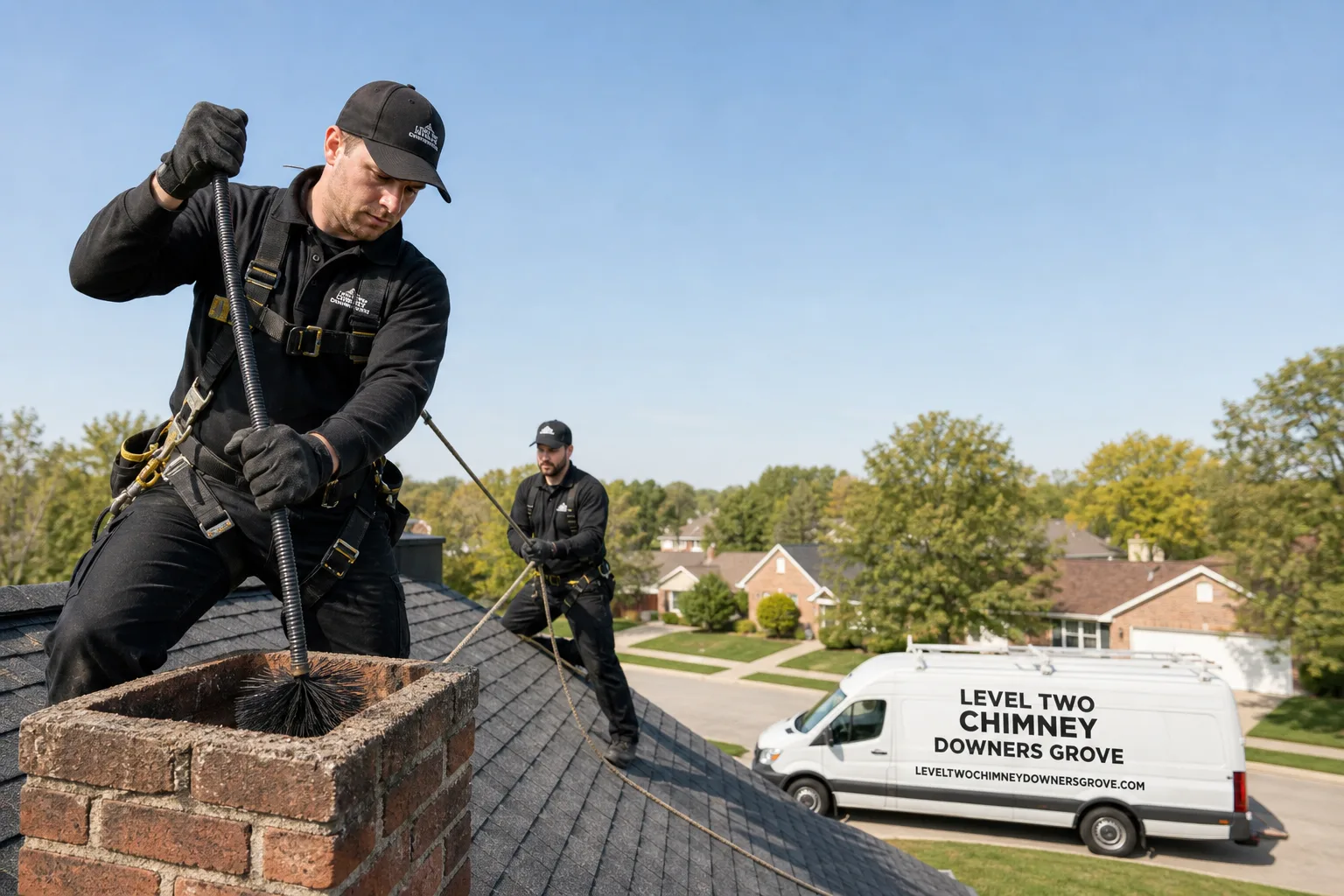
Level 1 sweep and inspection to the NFPA 211 annual standard - flue, crown, cap, and flashing checked and photographed
Chimney sweep logs do not sweep chimneys. They loosen some creosote - which then falls where a brush and vacuum still have to collect it.
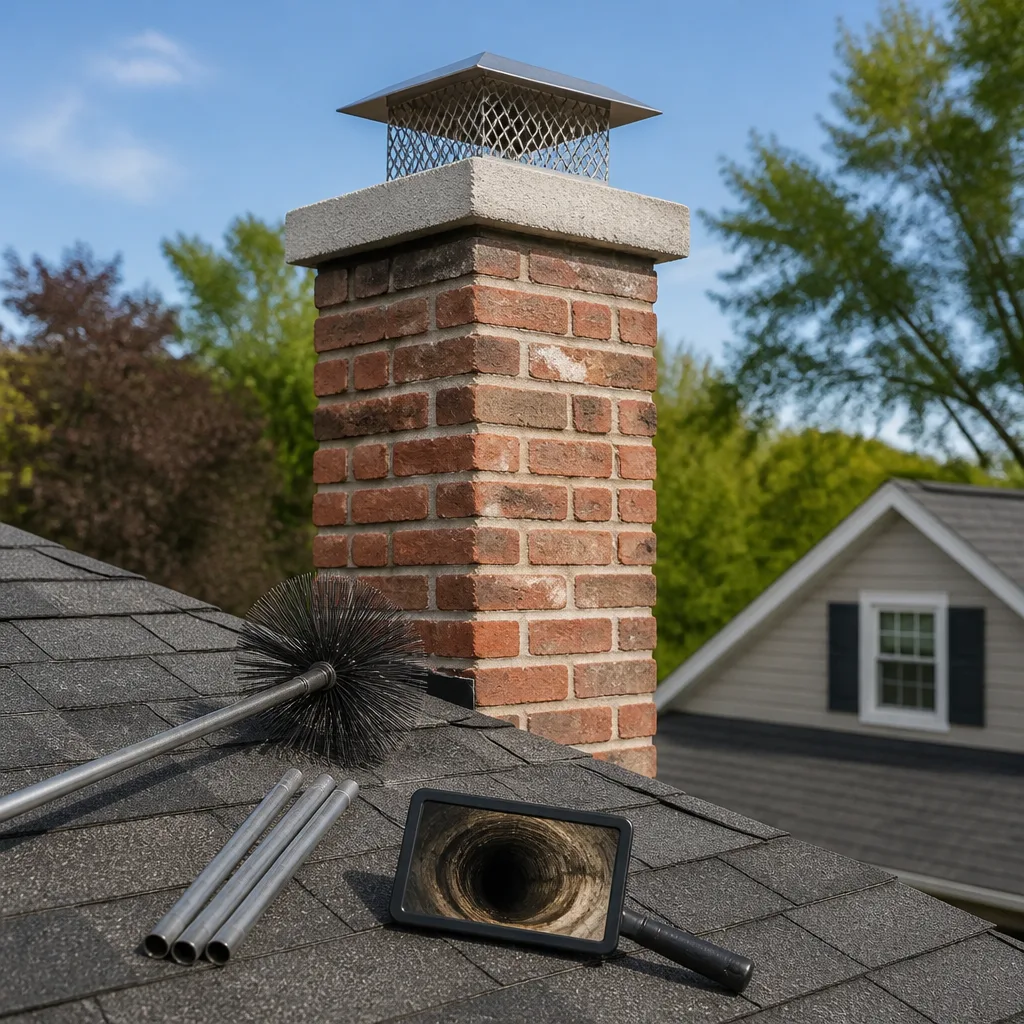
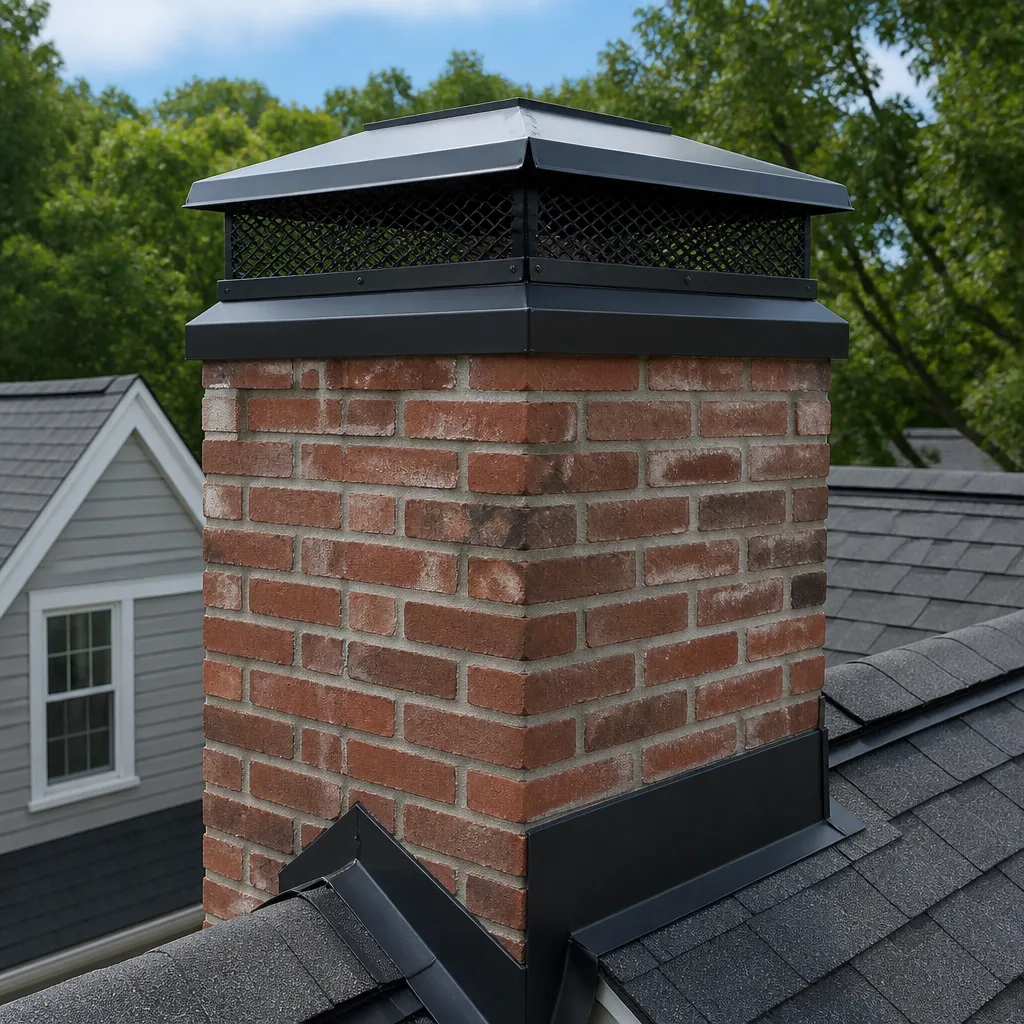
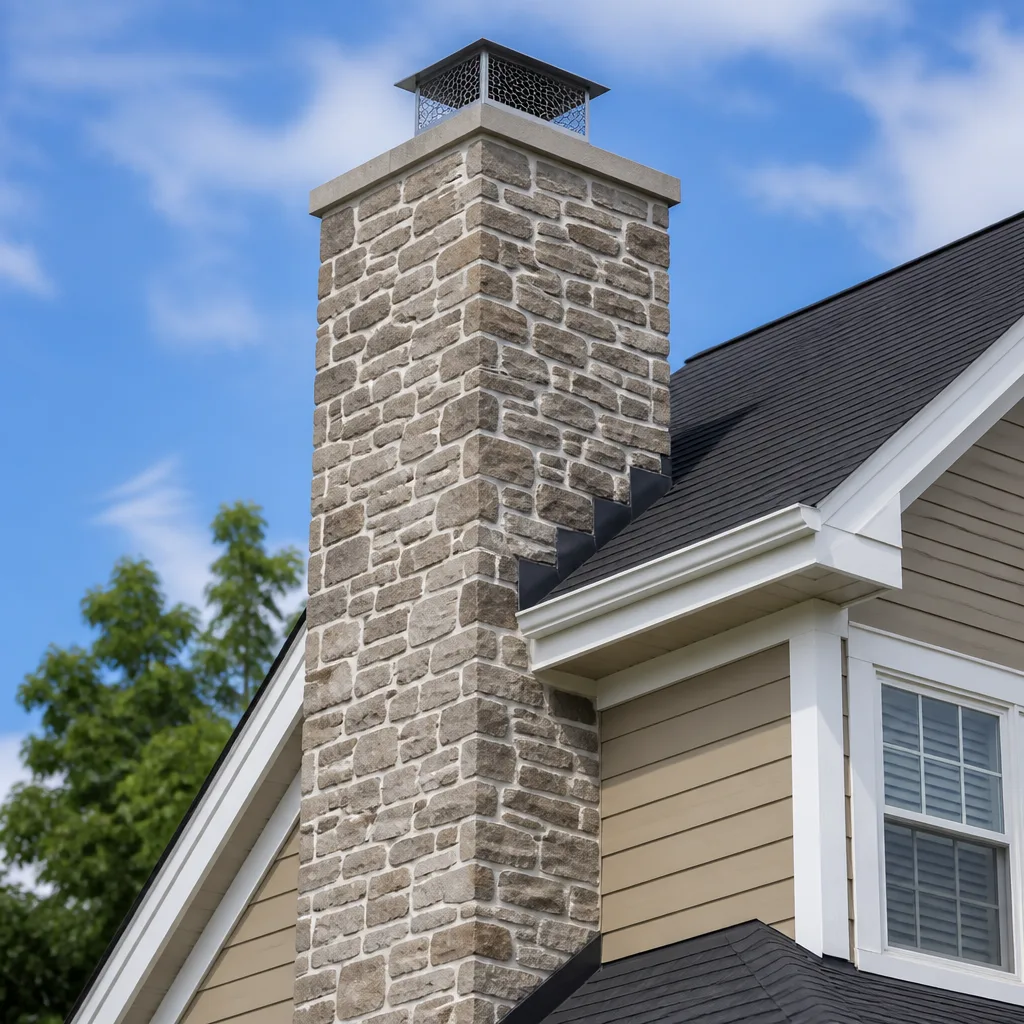
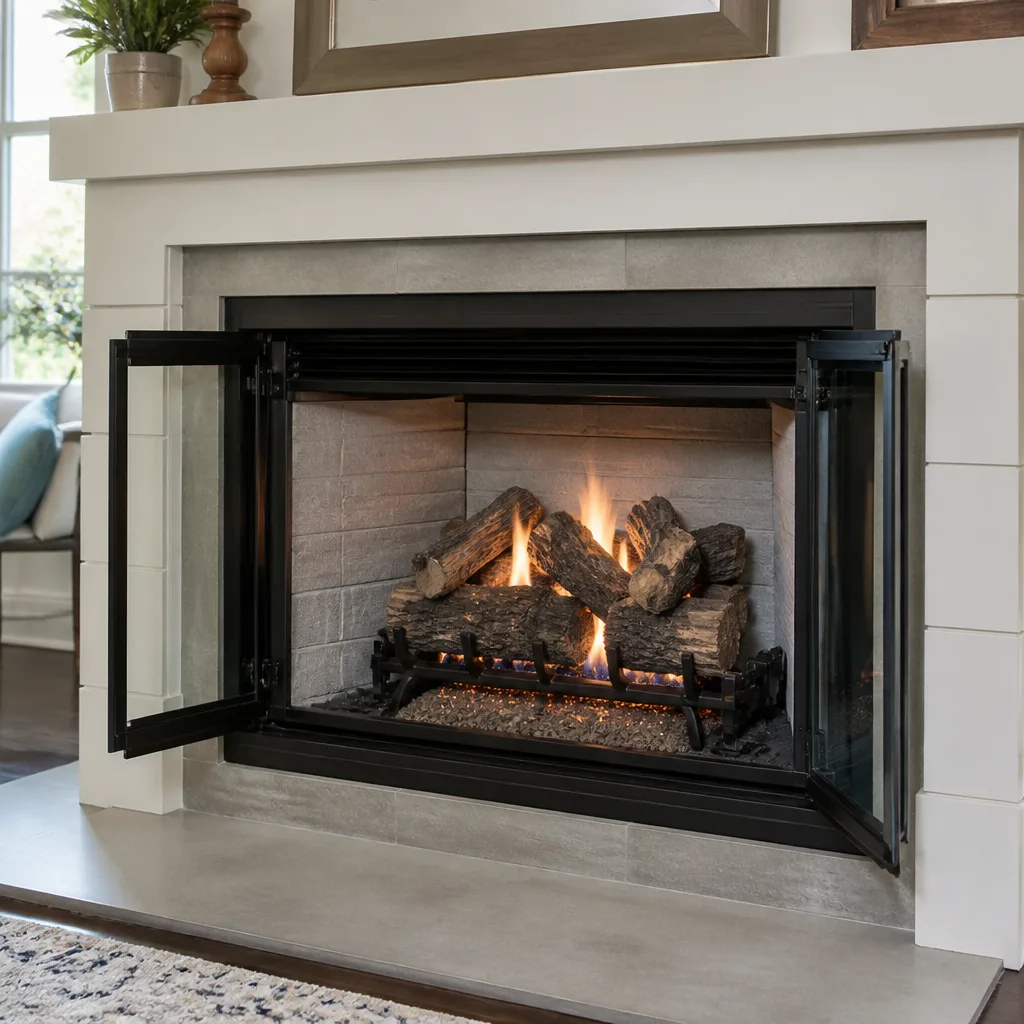
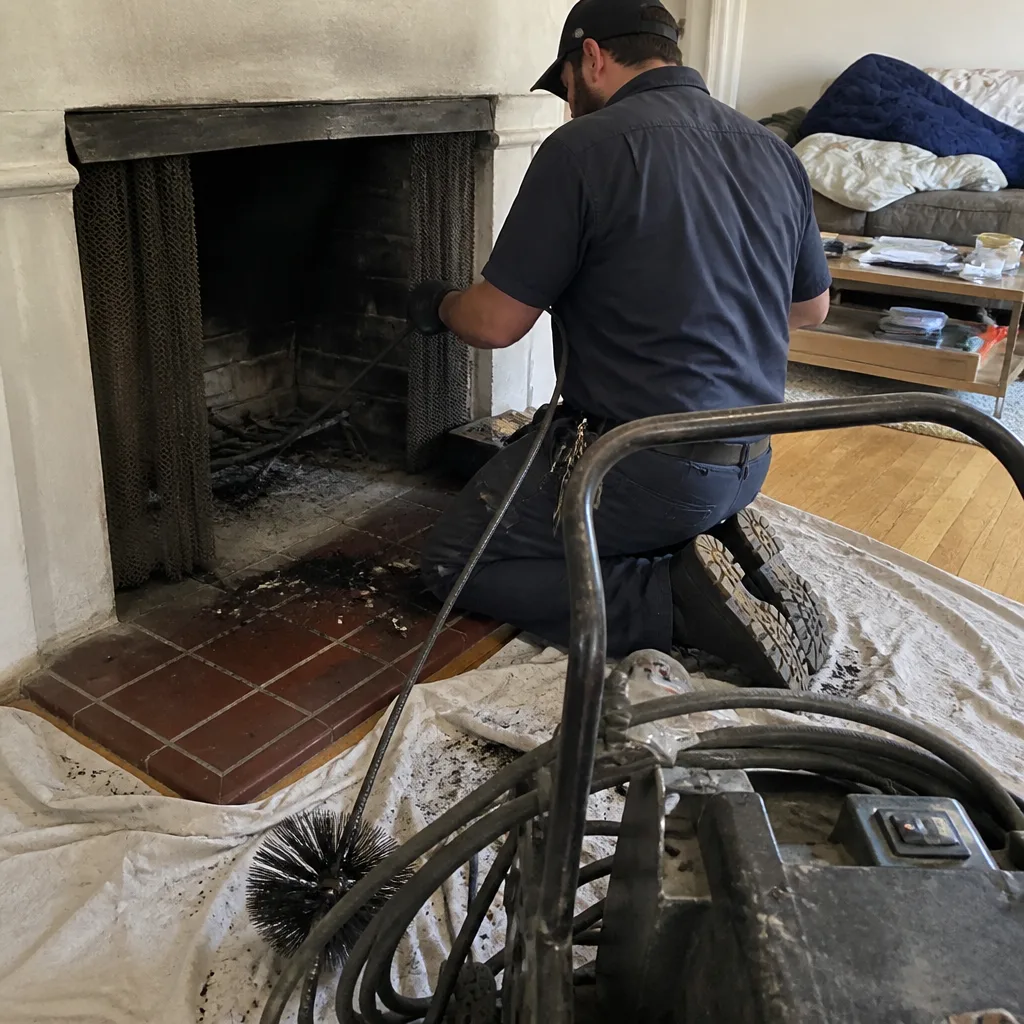 Before
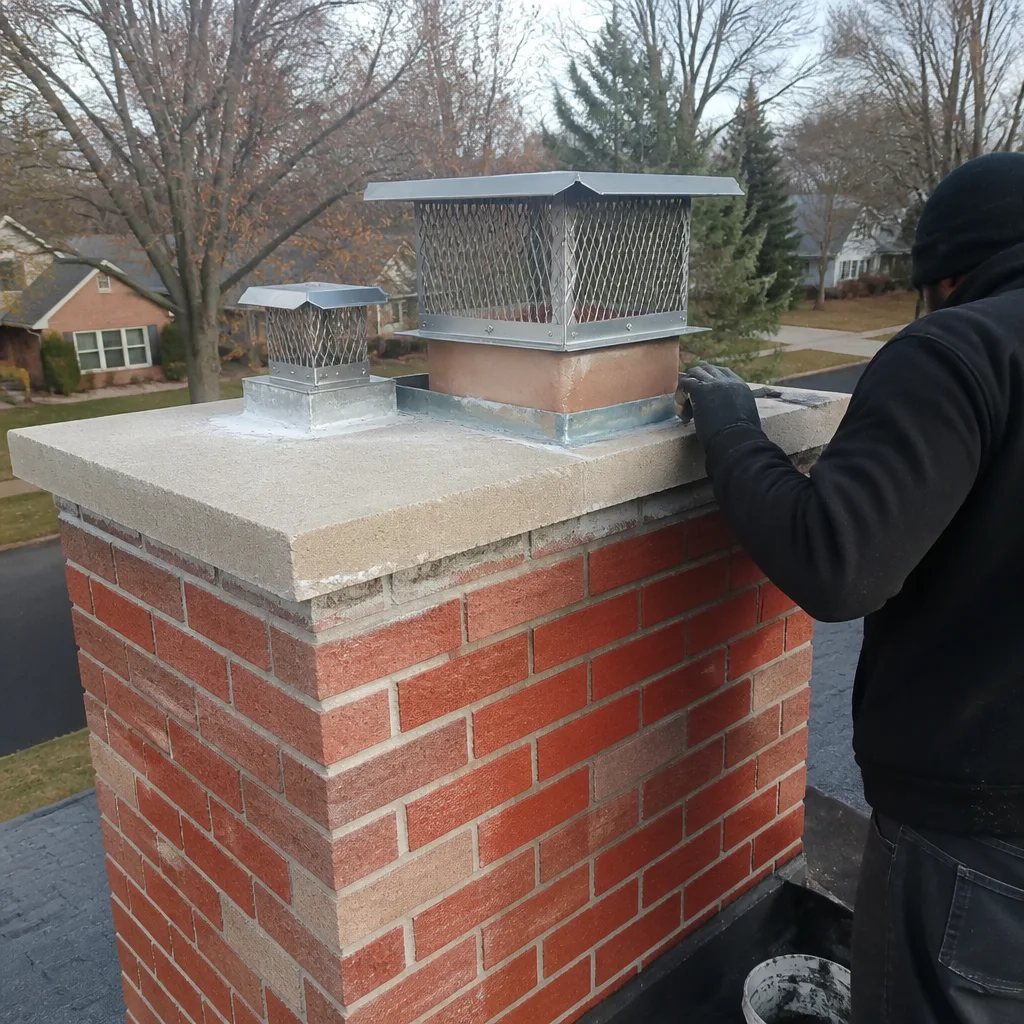 After
After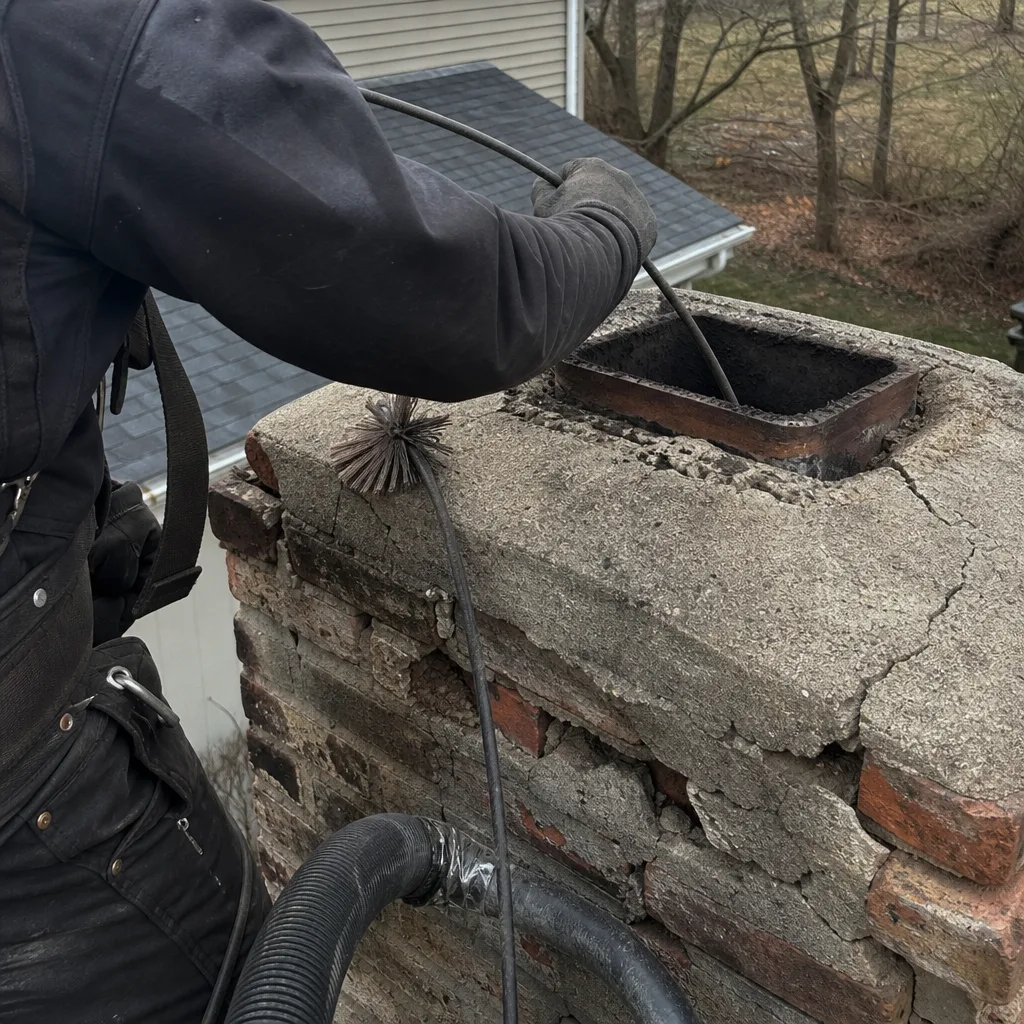 Before
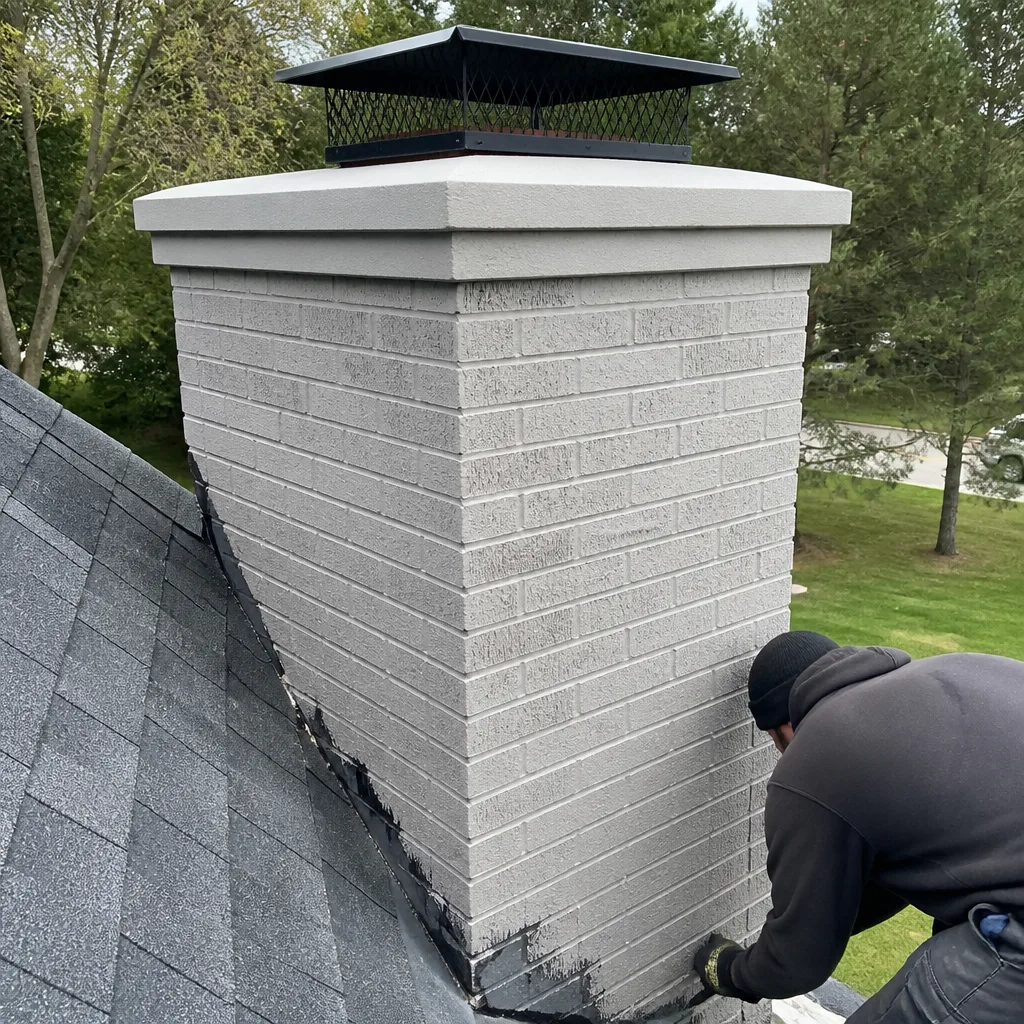 After
After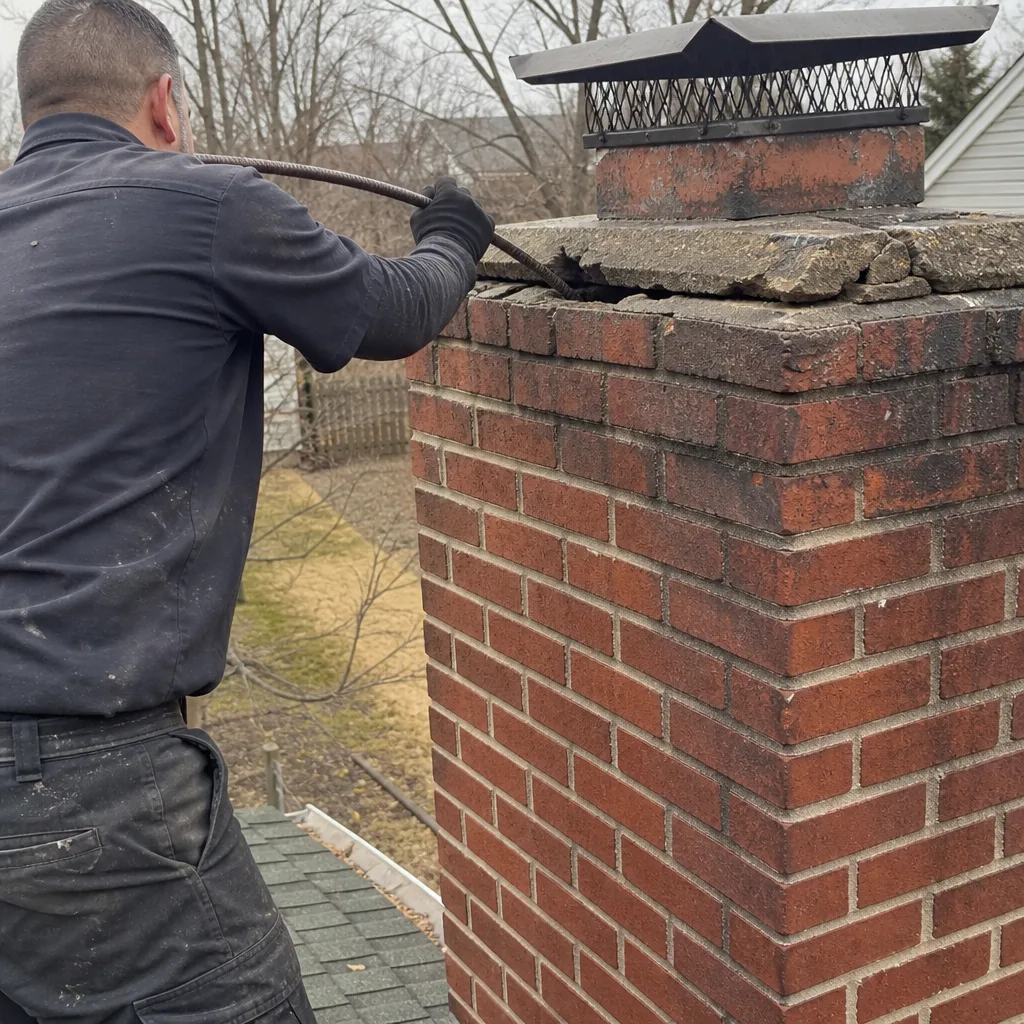 Before
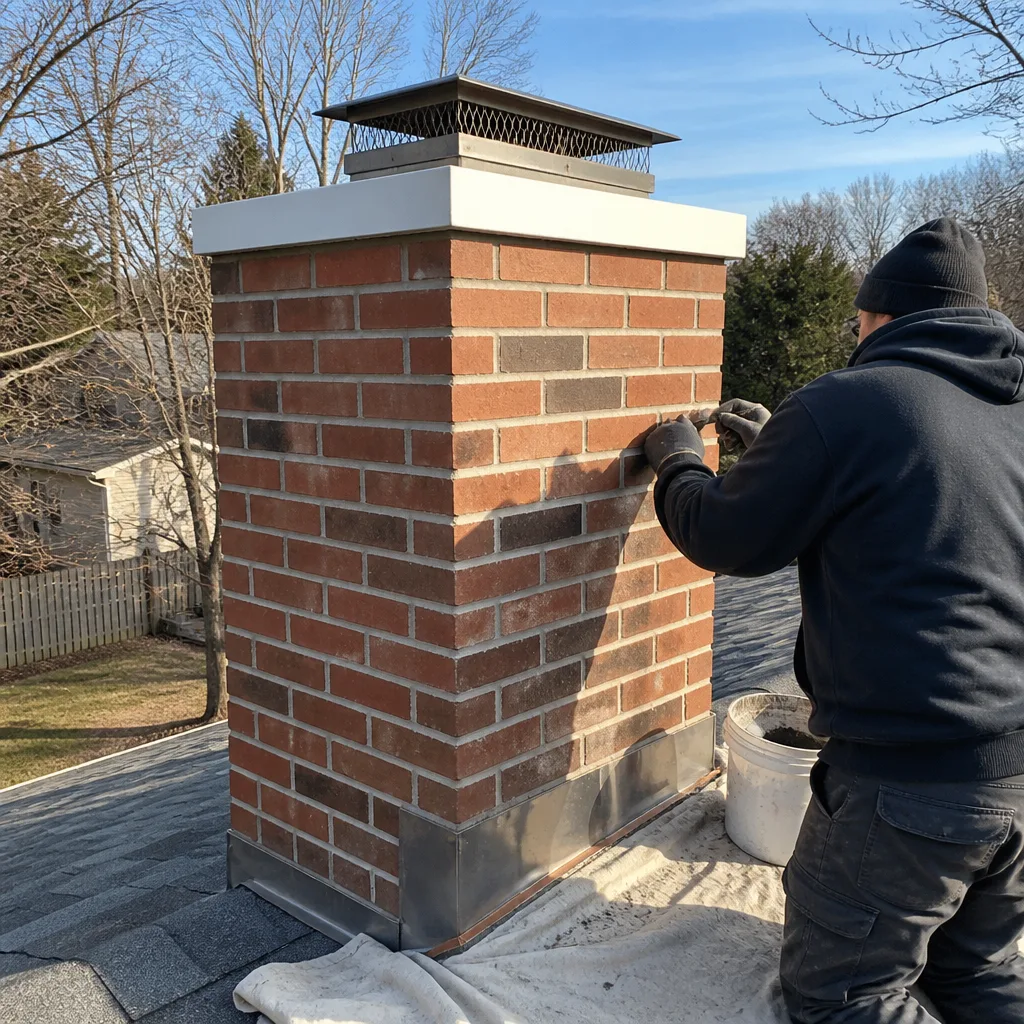 After
AfterFast, Reliable Dryer Vent Cleaning Across Arlington Heights
Dryer vent cleaning in Arlington Heights typically runs $149-$289 for a standard residential system, with most appointments completed in 60-90 minutes and a written price delivered before any work starts. Our crews coordinate dispatch from the Chicago office and carry Olympia Chimney and Famco materials on every Arlington Heights truck, so we’re not waiting on parts when we find a crushed transition duct behind a Kenmore in a Park Ridge-adjacent split-level.
We’ve worked the brick ranches and cape cods off Dunton Avenue, the wood-stove-heavy properties on Arlington Heights’s northwest edge, and the mid-century subdivisions radiating from the Metra UP-NW corridor long enough to know what hides in these walls. The 1948-1972 housing stock here wasn’t built for modern dryer loads, and the vent runs are longer, older, and more prone to lint compaction than what you’ll find in newer exurbs. That’s why we scope every connection point, not just the exterior cap. Call (331) 253-4980 for a written estimate, or read on for what we actually find in Arlington Heights homes.
Why Emberly Chimney Cleaners Downers Grove Is Arlington Heights’s Preferred Dryer Vent Cleaning Company
Our Dryer Vent Cleaning team has completed more than 38,000 chimney and vent inspections since 2009, and Arlington Heights represents one of our most frequent service corridors in northwest Cook County. The reviews we receive from Arlington Heights customers consistently mention the same things: the technician named in the text actually arrives, the written price matches the final invoice, and the photo documentation shows what the homeowner couldn’t see from the laundry room.
Response time to Arlington Heights properties typically runs same-week during normal scheduling, with our Chicago office coordinating dispatch to minimize drive time across the northwest suburbs. We know which subdivisions have the 25-foot vent runs through finished basements, which ones back up to the golf course drainage swales where exterior caps corrode faster, and which original 1960s laundry closets were shoehorned into spaces with zero clearance for proper transition duct geometry. That local knowledge means fewer callbacks and fewer surprises when we open up a soffit chase.
Every Arlington Heights job is backed by the 365-Day Done Right Promise, stamped under Haven Standard Clause 5. If the vent doesn’t test right, we make it right. No exceptions.
Our Dryer Vent Cleaning Services in Arlington Heights
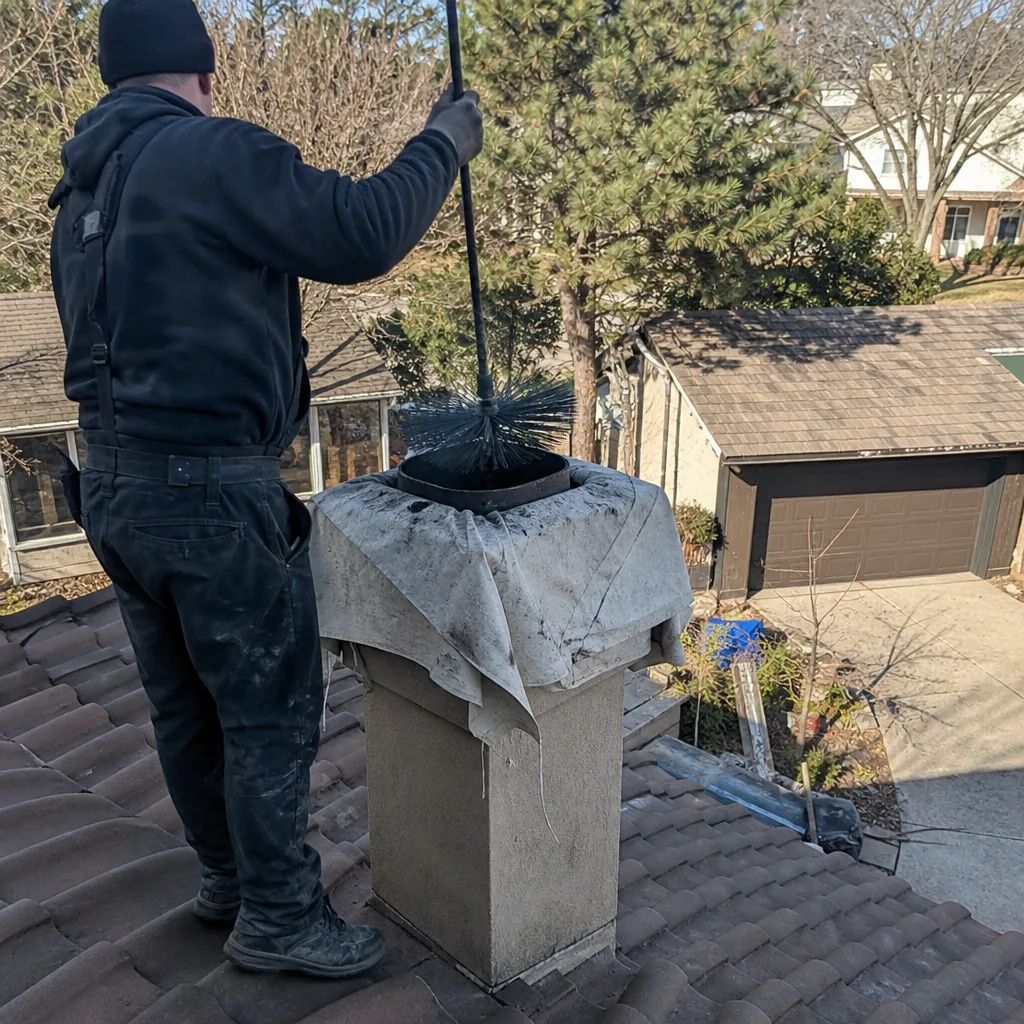
Complete Dryer Vent System Cleaning and Airflow Testing
A standard Arlington Heights dryer vent cleaning includes full disassembly of the transition duct, rotary brushing of the entire concealed run, and digital airflow measurement before and after. Most homes in the Dunton Avenue corridor and surrounding mid-century subdivisions have rigid or semi-rigid ducting original to construction, now 50-70 years old, with multiple elbows and long horizontal runs that compound lint accumulation. We test static pressure and cubic feet per minute at the terminal cap; the after-cleaning reading is documented on your invoice under Haven Standard Clause 4. If your vent run exceeds 25 feet or passes through an unconditioned attic space, common in the split-levels near Elmhurst Road, we’ll note the extended-reach surcharge in the written price before starting.
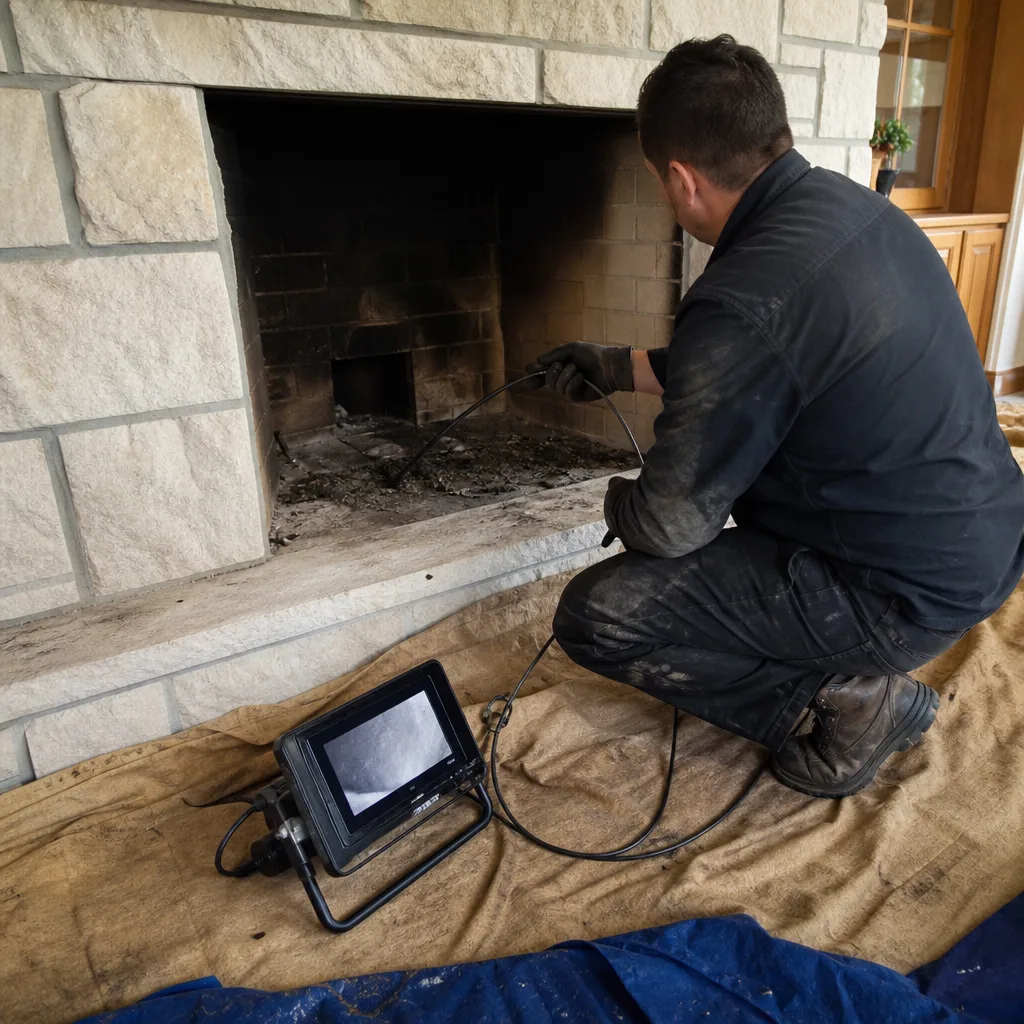
Level 1 / Level 2 / Level 3 Inspection with Camera Scoping of Every Flue
Here’s where Arlington Heights’s specific housing stock changes everything. Our crew was on a brick ranch off Dunton Avenue where the homeowner burned a wood stove as primary heat all winter; the firebox flue was so heavily glazed with third-degree creosote that our rotary brush stalled, and a Level 2 inspection camera revealed a separate orphaned furnace flue packed with sparrow nesting and standing water that the owner never knew existed. We swept the stove flue in stages, capped the abandoned column, and set a shorter safe sweeping interval based on how hard the wood was being run. The HeatShield wrap we prescribed on the stove-side flue liner passed a follow-up draft test the same week.
That orphaned flue scenario is why we now scope every flue on arrival in Arlington Heights’s 1948-1972 core, not just the one the homeowner points to. The abandoned furnace flue sits open at the top, uncapped, collecting debris that rots the liner column above the firebox while the owner worries about a “draft problem” in the fireplace. Our camera documentation shows exactly what condition each flue is in, and the written report separates what needs immediate action from what can be scheduled.
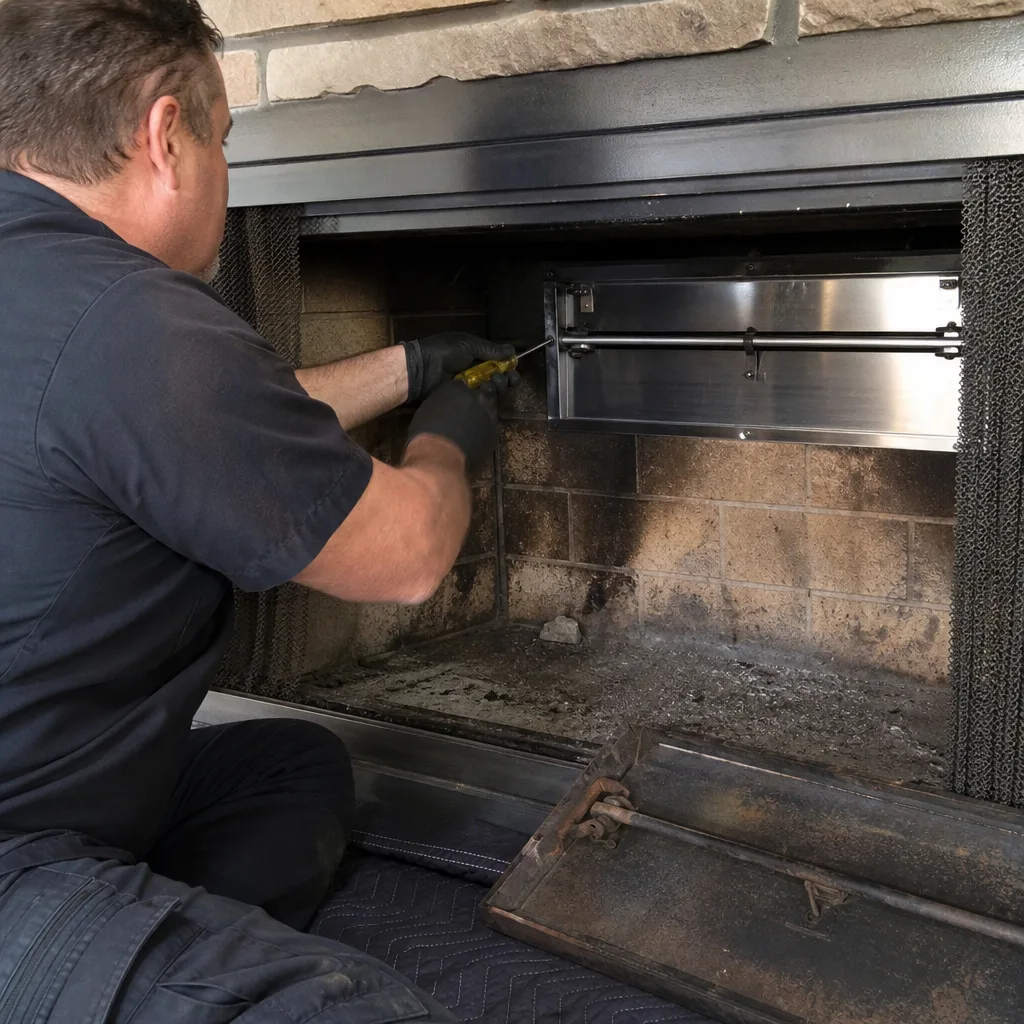
Creosote Removal Staged for First-, Second-, and Third-Degree Buildup
Wood-stove-primary homes on Arlington Heights’s northwest edge, particularly the cape cods and ranches with supplemental heating dependence, develop creosote faster than decorative-fireplace households. First-degree creosote is fluffy, sooty, and brushes out easily. Second-degree forms shiny black flakes, often requiring a chainsaw or rotary whip. Third-degree is tar glaze, hardened to the flue surface, and demands staged chemical treatment followed by mechanical removal, sometimes across multiple visits.
Treating a wood-stove-primary Arlington Heights home on the same annual interval as a decorative fireplace is a failure mode we see too often. Heavy creosote loading in these mid-century flues hits second- and third-degree far faster, and a single brush pass can’t clear a tar glaze. We set the sweeping interval based on fuel type, burn rate, and flue temperature, not a calendar date.
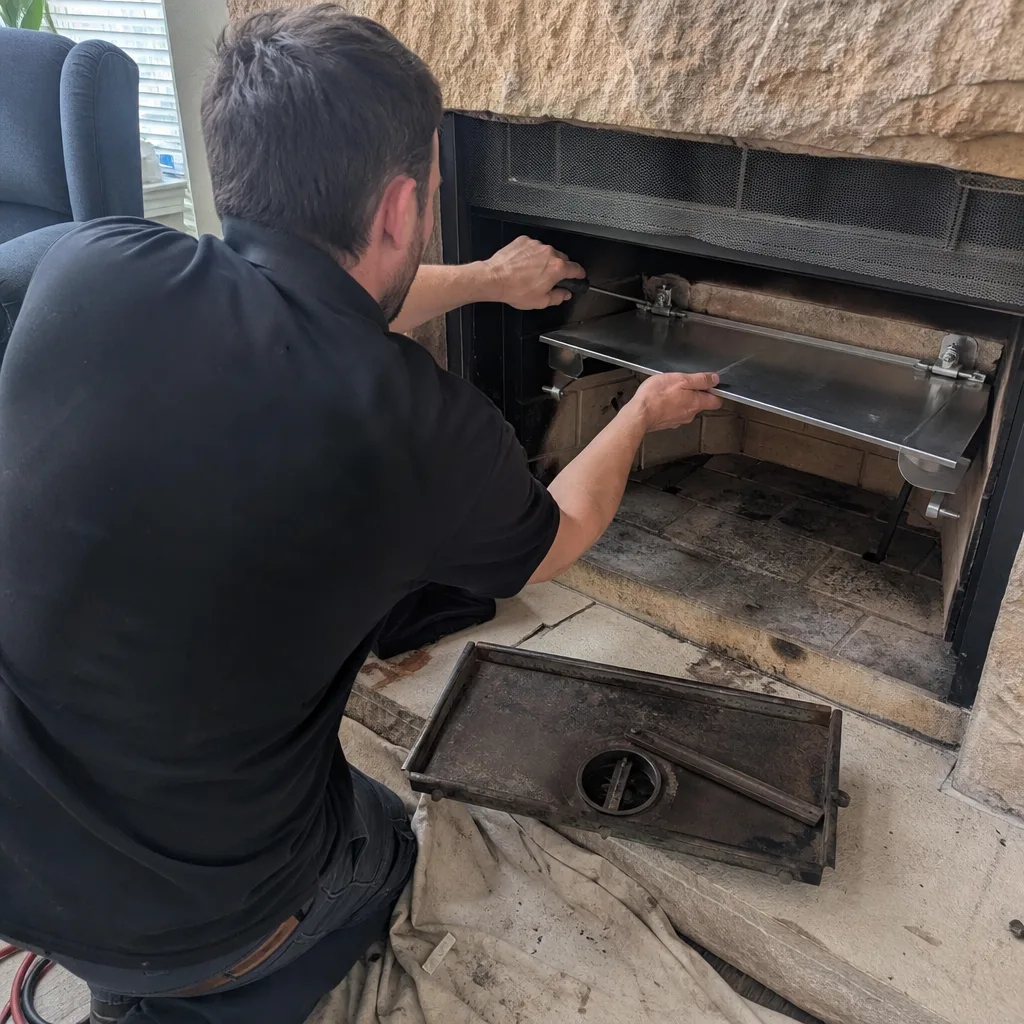
Flue Liner Assessment and HeatShield / DuraFlex Relining for Wood-Stove-Primary Homes
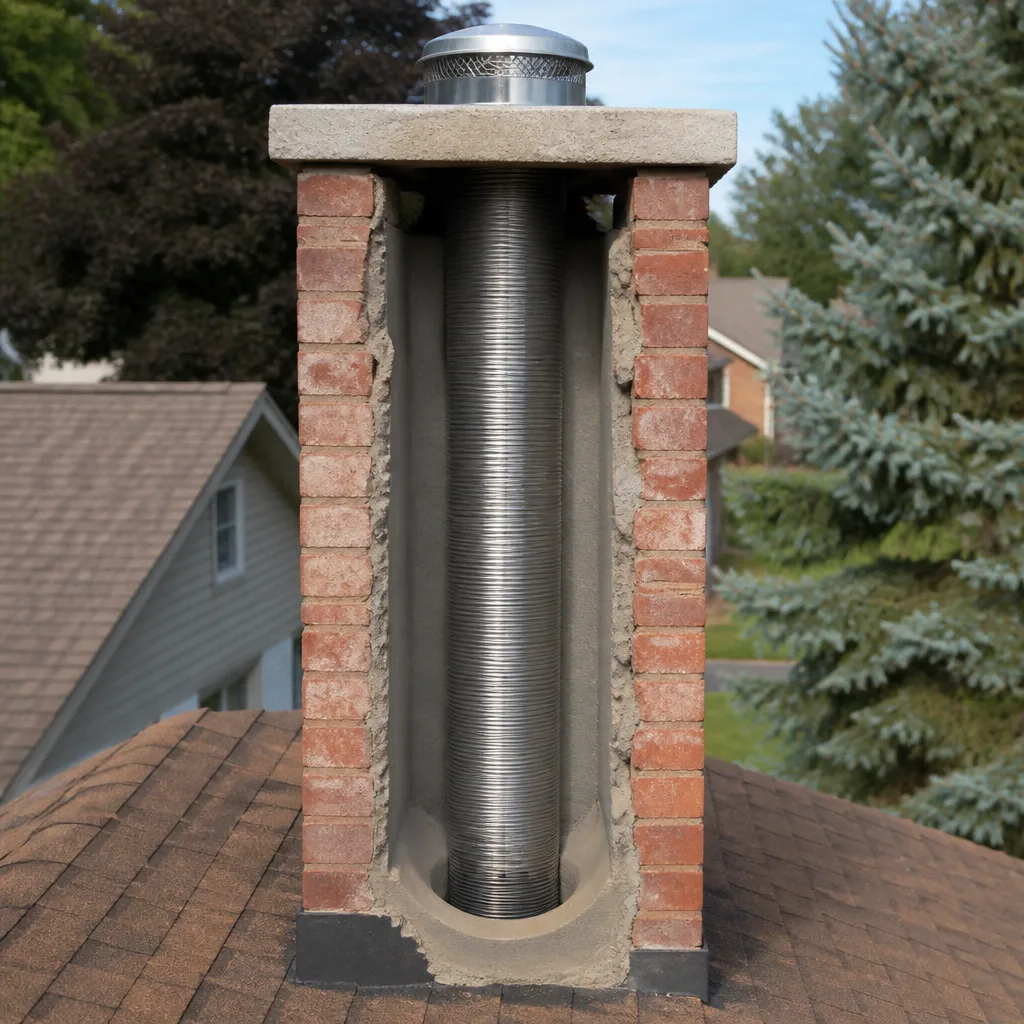
The oversized flues common in Arlington Heights’s coal-to-oil-to-gas conversion chimneys create chronic condensation and accelerated clay tile deterioration. For wood-stove-primary households, this is critical: an unlined or deteriorated flue in a high-temperature wood-burning application is a chimney fire waiting for ignition. We assess liner condition with camera documentation, then specify HeatShield cerfractory resurfacing for sound but spalled clay, or DuraFlex stainless relining for structural failure or incompatible sizing. Both materials come through Haven’s buying network, and the written scope specifies exactly which product, why, and what the warranty covers.
What happens when you call
- 1
A real person answersNo phone trees - you reach a local pro.
- 2
You get an upfront price rangeHonest numbers before anyone is dispatched.
- 3
A background-checked tech heads outLicensed & insured, dispatched right away.
- 4
You approve before work beginsNothing starts until you say go.
BeforeAfterTrusted Brands We Service in Arlington Heights
We stock Famco termination caps, Olympia Chimney rigid venting components, and DuraFlex relining materials on every Arlington Heights service vehicle. That inventory matters when we’re standing in a Prospect Heights-adjacent laundry closet and the original 1970s transition duct crumbles in our hands, or when a camera inspection reveals a flue liner that won’t survive another heating season. No waiting on a parts run to Bloomingdale. No “we’ll come back next week.” The materials are on the truck, the price is in writing before we open the package, and the installation is documented with photos under Haven Standard Clause 4.
Common Dryer Vent Cleaning Problems We See in Arlington Heights Homes
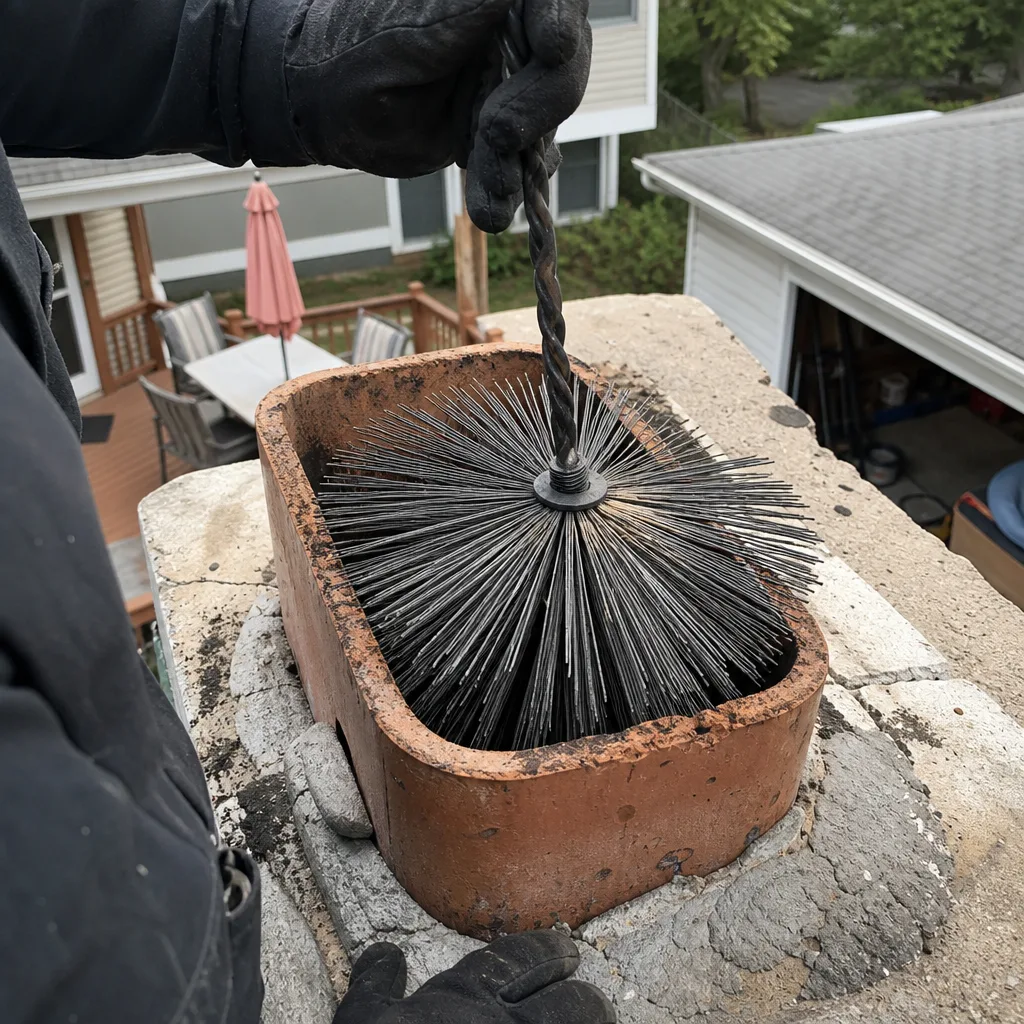
- Orphaned furnace flues collecting hidden debris. In the two-flue chimneys common to 1948-1972 Arlington Heights construction, the smaller furnace flue was frequently abandoned when homeowners upgraded to 90%-efficiency sealed-combustion units venting through sidewall PVC. The open, uncapped column fills with sparrow nests and standing water, rotting the liner above the firebox while the homeowner remains unaware until our camera finds it.
- Freeze-thaw masonry damage masquerading as vent or draft problems. Northwest Cook County’s punishing freeze-thaw cycling, dozens of threshold crossings per heating season, erodes mortar joints and spalls chimney crowns on the soft common-brick chimneys built by Chicago-area trades. Water infiltration through damaged masonry then presents as poor draft or excessive creosote, when the real failure is structural.
- Third-degree creosote in wood-stove-primary households treated on decorative-fireplace intervals. Homes burning wood as primary heat in Arlington Heights’s northwest subdivisions generate flue temperatures and condensation patterns that produce tar glaze in a single season. Annual sweeping by a company that doesn’t ask about burn rate or fuel type leaves this buildup undetected until a chimney fire or blocked flue forces emergency action.
- Crushed or kinked transition ducts in original laundry closet configurations. The mid-century ranches and split-levels near the Metra corridor were built with tight mechanical spaces and aluminum foil transition ducting that collapses behind the dryer, reducing airflow and accelerating lint accumulation in the concealed run. We replace these with proper semi-rigid or rigid ducting, documented with before-and-after photos.
Pricing for Dryer Vent Cleaning in Arlington Heights, IL
A standard residential dryer vent cleaning in Arlington Heights runs $149-$189 for a single-story home with accessible termination, $189-$239 for two-story or extended-run systems, and $239-$289 when we encounter damaged ducting requiring replacement or concealed runs requiring access panel work. Wood-stove chimney sweeping, staged for creosote degree, starts at $249 for first-degree buildup and ranges to $449-$689 for third-degree glaze requiring chemical pretreatment and multi-pass mechanical removal. Flue liner assessment with camera documentation is included; HeatShield resurfacing or DuraFlex relining is quoted separately in writing based on linear footage and access conditions.
Every price is delivered in writing before work begins, under Haven Standard Clause 1. No “call for a quote.” No post-work invoice surprises. We also offer a Free Second Opinion on any competitor’s written estimate, and our 365-Day Done Right Promise applies to every Arlington Heights job. Call (331) 253-4980 for your specific written estimate.
We Also Serve Cities Near Arlington Heights
Our crews regularly work Arlington Heights and the surrounding northwest Cook County corridor, including Hoffman Estates to the west, Park Ridge to the east, Bloomingdale to the south, and Elmhurst to the southeast. Dispatch from the Chicago office keeps drive times reasonable across this service area, and the same written-price, photo-documented standard applies whether we’re on Dunton Avenue or across the village line.
Serving Arlington Heights, IL - Our Local Coverage Area
We’re based in the Arlington Heights area and know this community well. Use the map below to see our service coverage - if you’re nearby, we can almost certainly help.
FAQs - Dryer Vent Cleaning in Arlington Heights
Wood-stove-primary homes in Arlington Heights typically need sweeping every 1-2 cords burned, which for full-time heating usually means mid-season and end-of-season service, not annual. The mid-century flues in these cape cods and ranches are oversized for modern appliances, run cooler, and condense more creosote than a properly sized liner would. We set the interval based on your actual burn rate and inspect with a camera each time to verify degree of buildup. Call (331) 253-4980 and we’ll calculate a schedule from your fuel receipts.
Yes, and in Arlington Heights’s 1948-1972 housing stock, it’s one of the most common hidden problems we find. That open flue was likely abandoned when your furnace upgraded to sidewall venting, and it’s now collecting rain, nesting debris, and deteriorating the liner column directly above your firebox. We cap abandoned flues with proper termination, document the condition of both flues with camera footage, and include the photo record with your written report under Haven Standard Clause 4. The cap installation is typically $189-$249 if accessed from the roof.
First-degree creosote is light, sooty, and brushes out easily. Third-degree is hardened tar glaze, essentially unburned fuel condensed on the flue surface, and it ignites at approximately 451°F - well within normal wood-stove operating temperatures. Arlington Heights wood-stove-primary homes hit third-degree faster because mid-century oversized flues run too cool for complete combustion-gas evacuation. We stage removal chemically and mechanically, sometimes across visits, and won’t clear a third-degree flue in a single pass because the risk of ignition during cleaning is real.
It’s both, and in Arlington Heights it’s frequently the root cause of what homeowners mistake for a draft or creosote problem. Northwest Cook County’s freeze-thaw cycling pushes water into soft common-brick masonry, then the expansion of that frozen water spalls the crown and erodes mortar joints. Water infiltration cools the flue, worsens draft, and accelerates liner deterioration. We document crown and shoulder condition with photos, quote crown rebuild or resurfacing in writing, and won’t sweep a flue without addressing active water entry because the creosote will return faster than we can remove it.
NFPA 211 recommends annual inspection, but the scope and interval should match actual use. If you burned minimally, a Level 1 inspection may suffice. However, in Arlington Heights’s two-flue chimneys, we strongly recommend at least a Level 2 camera inspection every other year even with low use, because the orphaned flue problem, crown deterioration, and liner failure progress regardless of burn rate. The inspection is documented, the photo record is yours to keep, and we’ll tell you honestly if everything can wait. Call (331) 253-4980 to schedule - estimates are free, and the written price comes before any work starts.
Written by Corrine Halstead, Owner at Emberly Chimney Cleaners Downers Grove, serving Arlington Heights and northwest Cook County under the Haven Standard since 2009.